



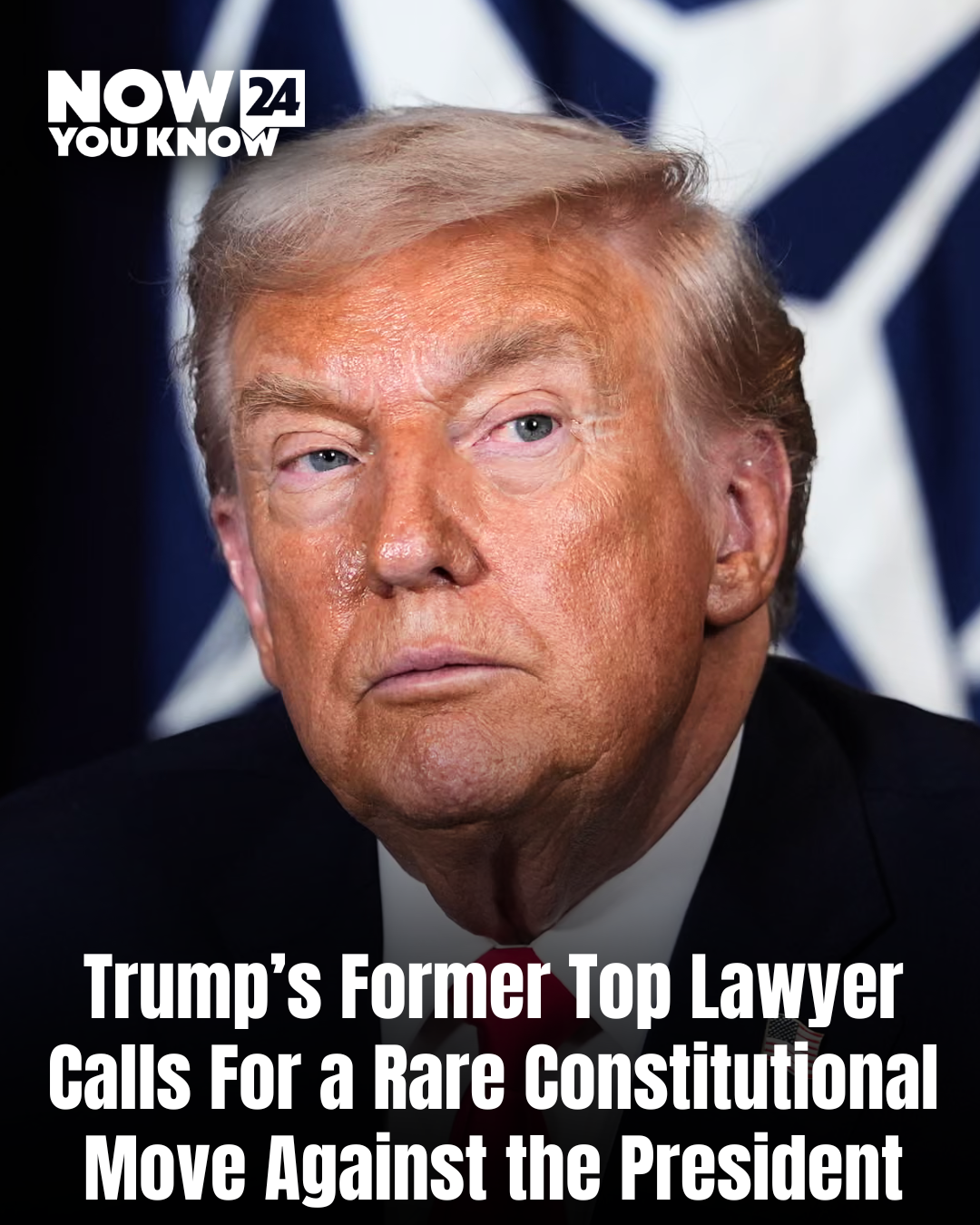

A former attorney who once worked closely with Donald Trump has publicly questioned the president’s mental fitness while supporting discussions around a rarely referenced constitutional process that could remove a sitting president from office.
Who Is Ty Cobb?
Ty Cobb served on Trump’s legal team between 2017 and 2018 during the investigation led by former FBI Director Robert Mueller into alleged Russian interference in the 2016 US election. Although Cobb worked within Trump’s administration, he has repeatedly criticized the president in recent years.
Claims About Trump’s Behavior
In a recent interview, Cobb alleged that Trump appears more erratic now than during his first term. He claimed that aides previously acted as a restraint on some of Trump’s more controversial ideas, but believes there are now fewer people willing to challenge him internally.
Remarks About Cognitive Decline
Cobb went further by suggesting the president may be showing signs of cognitive decline, referencing what he described as possible “frontal lobe decline” and even “possible dementia.” He argued that Trump’s behavior, including late-night social media posts and public attacks on opponents, reflects worsening impulse control.
White House Pushes Back
The White House strongly rejected Cobb’s remarks. Spokesperson Davis Ingle defended the president, pointing to Trump’s public appearances, energy levels, and claims that he performed well on cognitive tests. The administration also accused critics of hypocrisy regarding concerns previously raised about former President Joe Biden.
The 25th Amendment Debate
Cobb’s comments have renewed discussion around the Twenty-fifth Amendment to the United States Constitution, specifically Section 4. This provision allows a vice president and cabinet officials to declare a president unable to carry out the duties of office, temporarily transferring power to the vice president.
A Process Never Fully Used
While parts of the amendment have been used before for temporary medical situations, Section 4 has never been fully invoked against a sitting president. Legal experts note that doing so would require major political support and could trigger a constitutional confrontation.
Political Tensions Continue to Rise
The controversy adds to growing political tensions ahead of the next election cycle, with debates around age, leadership, and mental fitness becoming increasingly central in American politics. Trump has continued to dismiss criticism and remains one of the most influential figures in the country.