




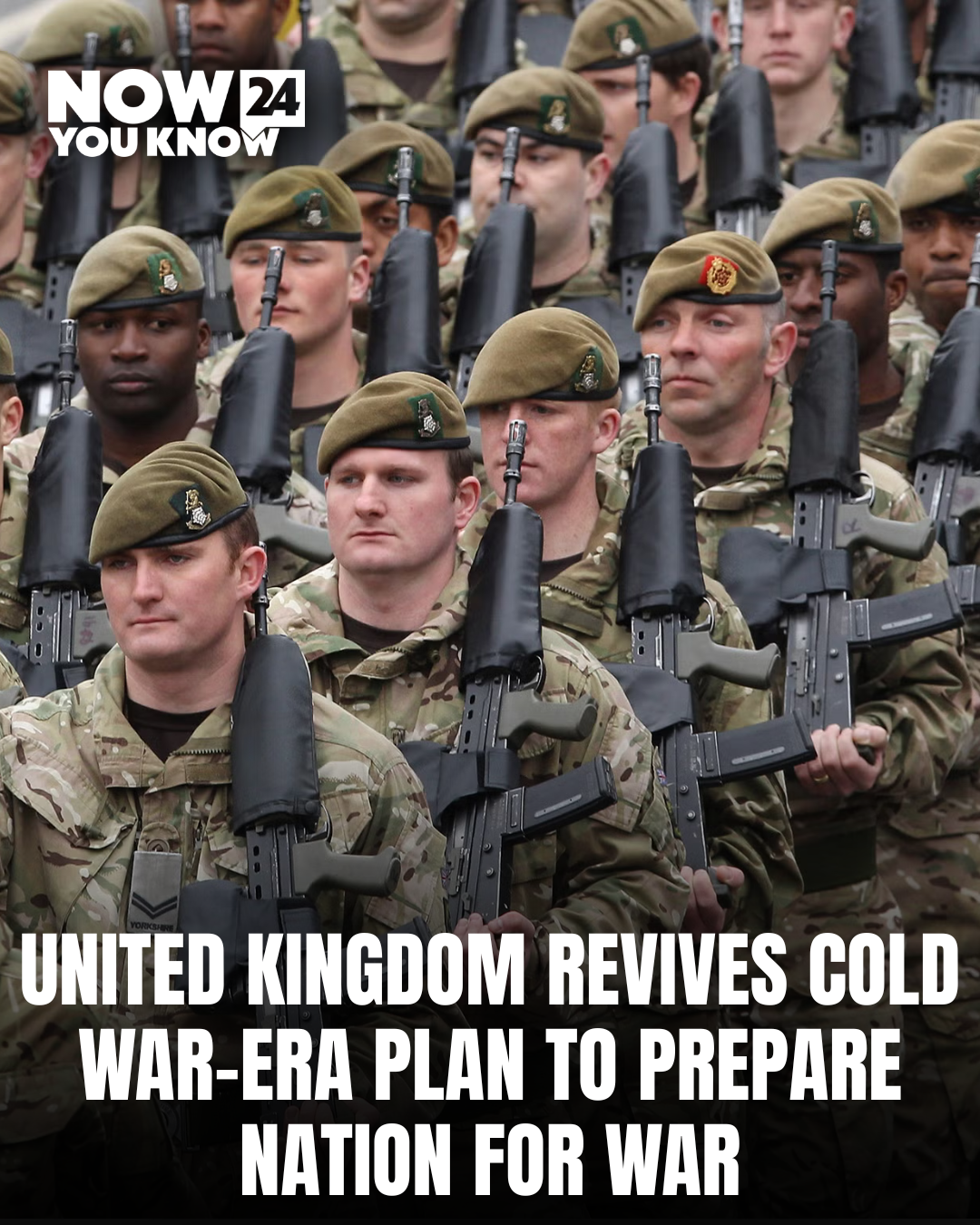

The United Kingdom is reportedly updating a national emergency strategy not seen since the 1970s, sparking debate over how governments prepare for modern warfare and global instability.
According to reports, British officials are reviewing contingency plans designed to ensure the continuity of government in the event of a large-scale conflict or national crisis. The initiative reflects growing geopolitical tensions and renewed security concerns across Europe.
The measures are believed to include protocols for protecting key infrastructure, maintaining essential public services, and safeguarding communication systems during wartime or major emergencies.
While the plans have drawn comparisons to Cold War-era preparations, experts emphasize that such strategies are standard practice for governments seeking to enhance national resilience in uncertain times.
The renewed focus on emergency readiness comes amid heightened global tensions, including ongoing conflicts and evolving threats to international stability. Officials argue that proactive planning is necessary to ensure preparedness rather than signal imminent danger.
Historically, similar strategies were developed during periods of heightened anxiety between world powers, particularly throughout the 1970s when fears of large-scale conflict shaped national defense policies.
Security analysts say modern contingency planning now extends beyond traditional warfare, addressing cyber threats, energy disruptions, and attacks on critical infrastructure.
Although the government has not indicated that war is imminent, the revival of these plans underscores a broader effort to strengthen national security and prepare for an increasingly unpredictable world.