




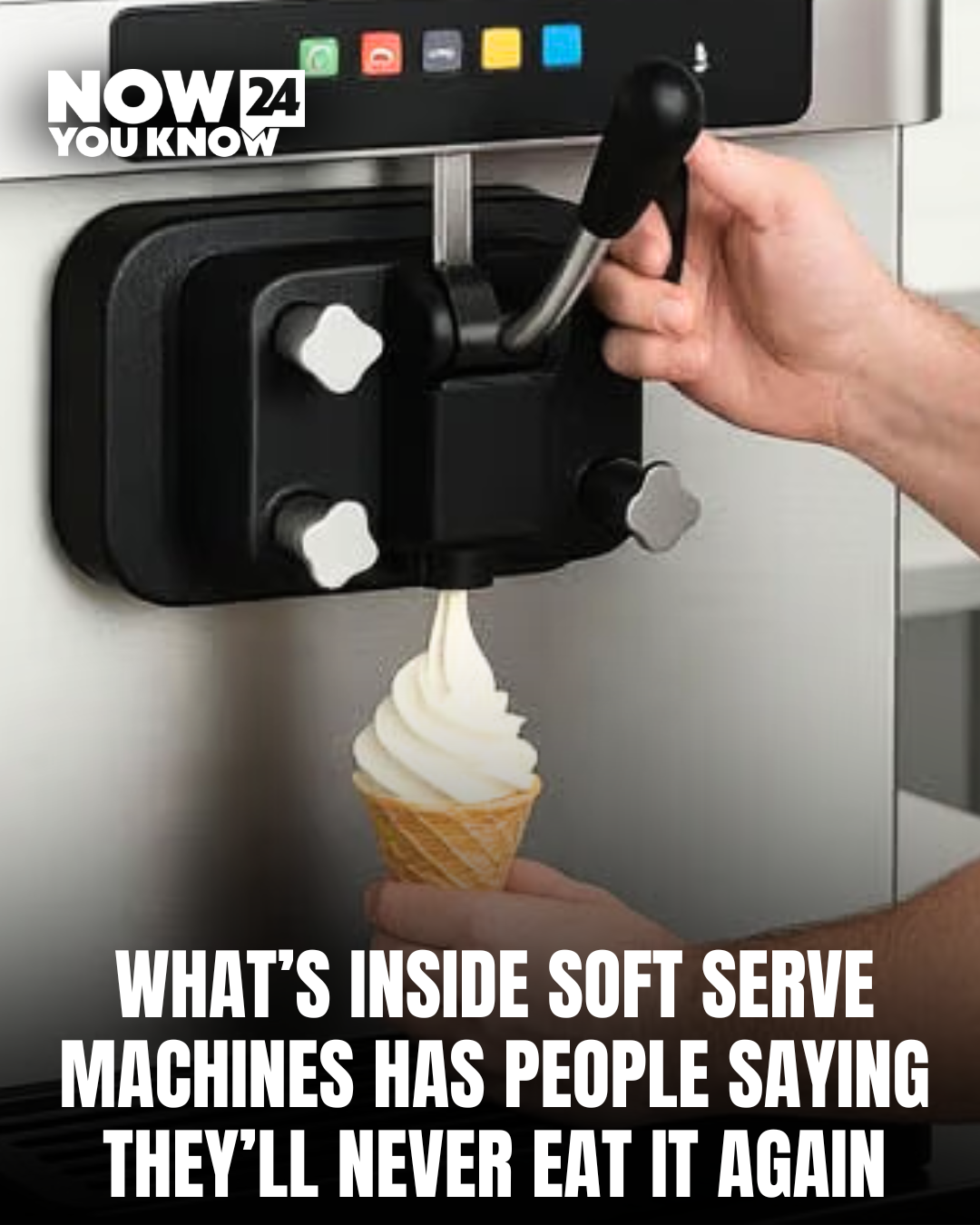

A viral article has sparked fresh concern online after claiming that some people have vowed to avoid soft serve ice cream entirely following a closer look at how the machines operate and are maintained.
Soft serve ice cream is made from a standard mixture of milk, cream, and sugar. The key difference is that it is churned and frozen inside a specialised machine that continuously mixes air into the product to keep it smooth and soft.
How Soft Serve Machines Actually Work
Food safety experts explain that soft serve machines store a liquid ice cream base just above freezing before it is pumped into a cylinder, where it is frozen while air is incorporated.
This process allows the ice cream to be dispensed directly into cones or tubs through a lever system, making it fast and convenient for commercial use.
Hygiene Concerns Raised by Past Investigations
Concerns about hygiene in soft serve machines have circulated for years, largely based on small-scale investigations and social media posts.
One widely referenced report suggested that samples from multiple outlets showed traces of coliform bacteria. While coliform itself is not always harmful, it can indicate issues with sanitation practices.
Separate anecdotal claims from food service workers have also gone viral, showing poorly cleaned machine components, though such examples are not representative of all establishments.
Experts Stress Cleaning Standards Vary
Food safety regulations require commercial ice cream machines to be cleaned regularly, especially parts that come into contact with food.
Major chains, including McDonald’s, have previously stated that their equipment undergoes strict cleaning procedures and that non-food-contact parts are also maintained as part of routine hygiene protocols.
However, as with many food service environments, the quality of execution can vary depending on location and compliance.
Rare but Serious Food Safety Incidents Fuel Public Concern
Although soft serve machines often come under scrutiny, serious contamination cases involving ice cream are rare.
There have been isolated legal cases involving contaminated food products in general, but experts stress these incidents do not reflect typical food safety standards across the industry.
Health authorities continue to emphasize that properly maintained machines pose minimal risk to consumers.
Why These Stories Go Viral Online
Food-related shock stories tend to spread quickly on social media, particularly when they involve familiar products like ice cream or fast food.
Psychologists suggest this is because people are more emotionally reactive to contamination fears involving everyday items, even when the actual risk is low.
Should You Be Concerned?
While viral posts may influence perception, there is no widespread evidence suggesting that soft serve ice cream is unsafe when produced and handled under regulated conditions.
As with any food, cleanliness and proper handling are key factors in safety, and reputable businesses are required to follow strict hygiene standards.
For most consumers, soft serve remains a low-risk treat when purchased from licensed establishments.