



In November 1985, the eruption of the Nevado del Ruiz volcano triggered one of the deadliest natural disasters in Latin American history. The eruption unleashed massive mudflows, known as lahars, that swept through communities and devastated the Colombian town of Armero.
The catastrophe claimed an estimated 23,000 to 25,000 lives, making it the deadliest natural disaster in Colombia’s history. Many experts later noted that warnings about the volcano’s increasing activity had been issued months before the eruption.
Trapped Beneath the Ruins
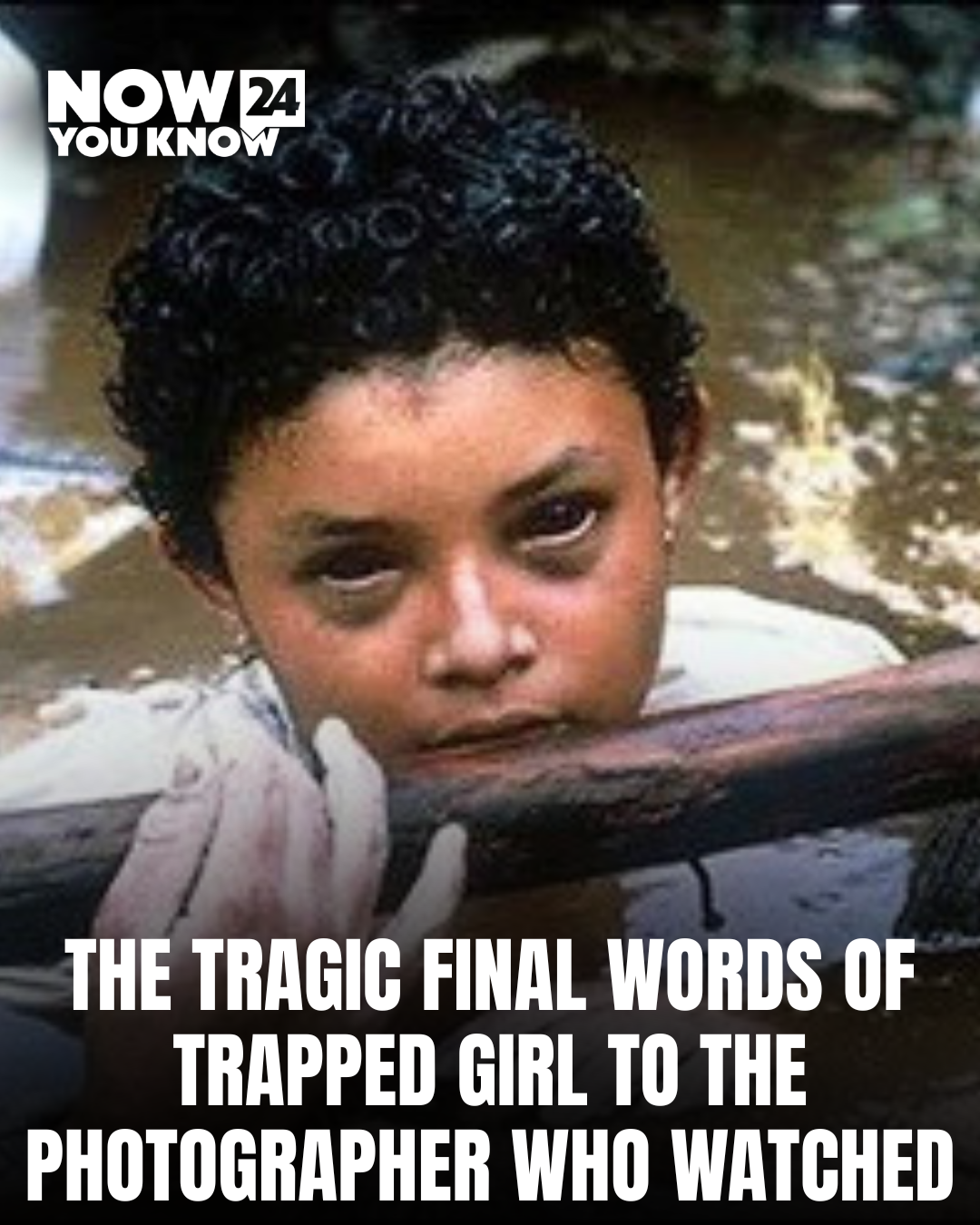
Among the victims was 13-year-old Omayra Sánchez Garzón, who became trapped beneath the wreckage of her home after the mudflows engulfed the town.
Rescuers discovered the teenager submerged in muddy water and pinned by debris. Despite desperate efforts by volunteers, firefighters, and aid workers, it quickly became clear that freeing her would be extremely difficult.
A Rescue That Never Came
For nearly 60 hours, Omayra remained trapped while rescue crews searched for ways to save her. Discussions reportedly included lowering the water level and even the possibility of amputating her legs.
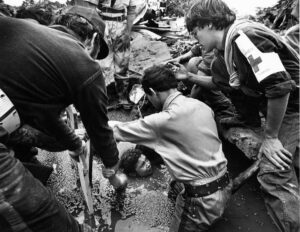
However, the disaster had overwhelmed emergency resources, and the specialized equipment needed for such a rescue was unavailable. As hours turned into days, hopes of saving her began to fade.
The Photograph That Shocked the World
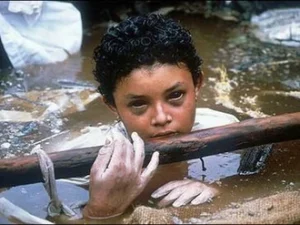
French photojournalist Frank Fournier documented the tragedy and captured what would become one of the most recognizable images in photojournalism history.
The haunting photograph showed Omayra surrounded by muddy water, exhausted but calm as she awaited help. The image was published around the world and later won the prestigious World Press Photo of the Year award in 1986.
A Debate About Journalism and Tragedy
The photograph sparked widespread debate about the role of journalists during humanitarian disasters. Some questioned why photographers documented the event rather than helping.
Fournier later explained that rescuers had already done everything possible under the circumstances and that his role was to bring global attention to the human cost of the disaster and the failures that contributed to it.
Her Final Hours
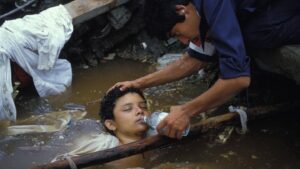
Throughout her ordeal, volunteers and aid workers stayed by Omayra’s side, offering comfort and trying to keep her spirits up. Witnesses recalled her remarkable courage despite the pain and exhaustion she endured.
As her condition worsened, she reportedly became disoriented and occasionally spoke about everyday concerns, including school and family, highlighting the heartbreaking reality that she was still just a child.
The Words That Still Resonate Today
Shortly before her death on November 16, 1985, Omayra reportedly shared a final message for her loved ones.
Witnesses recalled her saying, “Mommy, I love you so much, daddy I love you, brother I love you.”
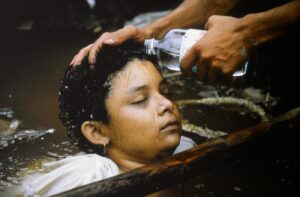
More than four decades later, her story remains a powerful symbol of resilience, the human cost of natural disasters, and the importance of disaster preparedness. The image and memory of Omayra continue to remind the world of the lives forever changed by the Armero tragedy.