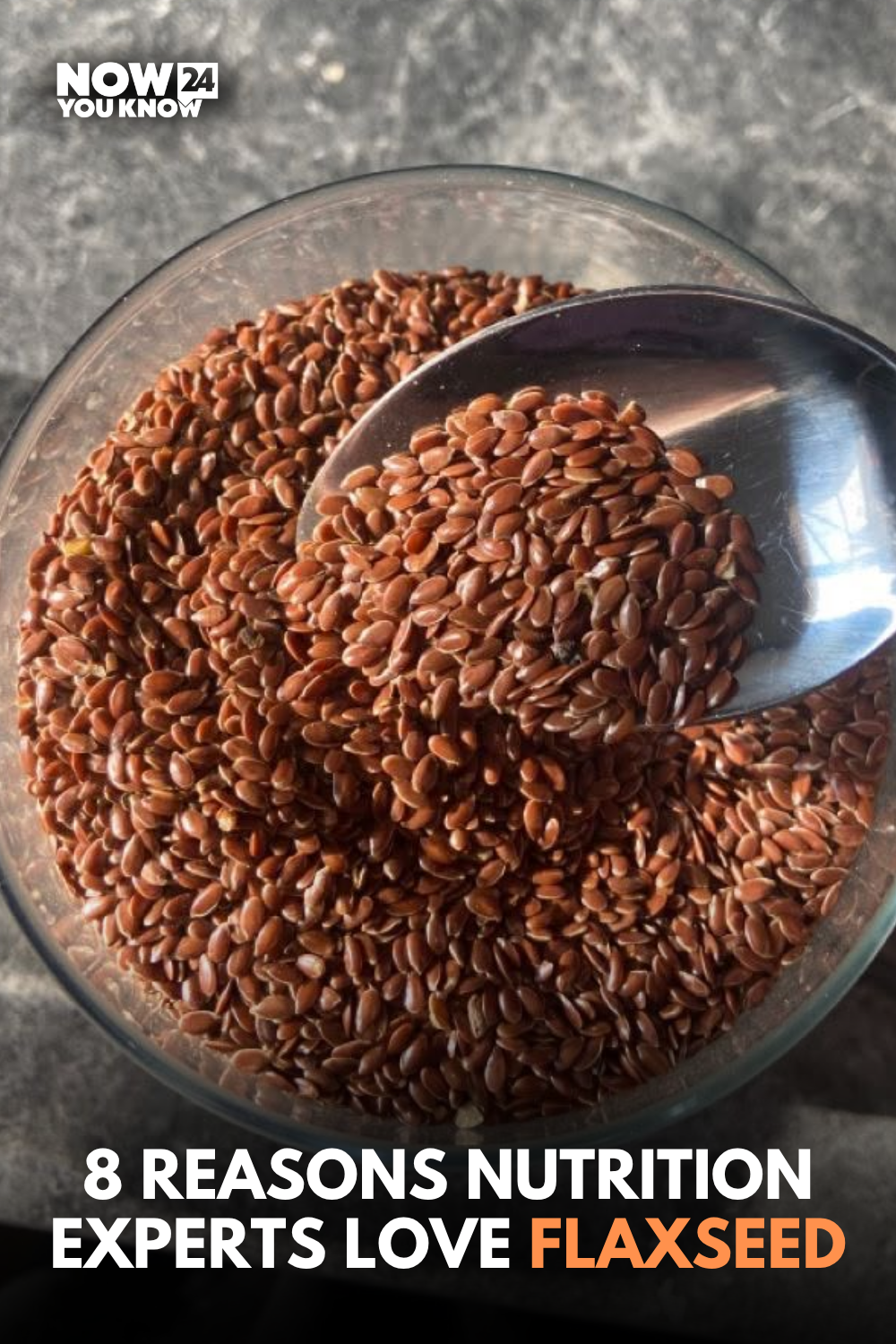

Tiny but incredibly nutritious, flaxseed has earned a reputation as one of the healthiest foods you can add to your diet. Packed with fiber, plant-based omega-3 fatty acids, and antioxidants, these small seeds may support everything from heart health to digestion. Here’s what research says about the benefits of flaxseed and why it’s worth making room for it in your meals.
1. It’s Packed With Nutrients
Despite its small size, flaxseed delivers an impressive amount of nutrition. It’s a good source of fiber, healthy fats, protein, and essential minerals like magnesium, copper, and manganese. It also contains thiamine, a B vitamin that helps your body convert food into energy and supports healthy cell function.
2. A Great Plant Source of Omega-3s
Flaxseed is one of the richest plant sources of alpha-linolenic acid (ALA), an omega-3 fatty acid linked to heart health. Studies suggest diets rich in ALA may help support healthy cholesterol levels and reduce the risk of cardiovascular disease. While your body converts only a small amount of ALA into the more active omega-3s found in fish, it still contributes to a healthy diet.
3. Rich in Protective Plant Compounds
Flaxseed contains lignans, natural compounds with antioxidant properties. Researchers have been studying these compounds for years because of their potential role in protecting cells from damage. Some studies suggest diets containing flaxseed may be associated with a lower risk of certain cancers, although more human research is needed before firm conclusions can be made.
4. Supports Healthy Digestion
One tablespoon of ground flaxseed provides about 2 grams of fiber, including both soluble and insoluble fiber. This combination helps promote regular bowel movements, supports beneficial gut bacteria, and may help relieve occasional constipation while contributing to overall digestive health.
5. May Help Lower Cholesterol
Research has found that regularly eating flaxseed may help reduce LDL (“bad”) cholesterol and total cholesterol levels, particularly in people with elevated cholesterol. Scientists believe the soluble fiber in flaxseed helps remove cholesterol from the body by binding to substances involved in digestion.
6. Could Support Healthy Blood Pressure
Several clinical studies have linked flaxseed consumption with improvements in blood pressure, especially when eaten consistently as part of a healthy eating pattern. While flaxseed isn’t a substitute for prescribed treatment, it may offer additional cardiovascular benefits alongside other healthy lifestyle habits.
7. May Help Keep Blood Sugar Steady
The soluble fiber in flaxseed slows the digestion and absorption of carbohydrates, which may help reduce blood sugar spikes after meals. Some research suggests this could be particularly beneficial for people with type 2 diabetes or those looking to improve blood sugar management as part of an overall healthy diet.
8. It May Help You Feel Fuller for Longer
If you’re trying to lose weight, flaxseed could help by increasing feelings of fullness. Its combination of fiber and healthy fats slows digestion, which may reduce hunger between meals. While no single food causes weight loss on its own, adding flaxseed to a balanced, calorie-controlled diet may support long-term weight management.
How to Add Flaxseed to Your Diet
Ground flaxseed is the easiest form for your body to digest. Try stirring it into oatmeal, yogurt, smoothies, soups, pancake batter, or baked goods. You can also sprinkle it over salads or cereal for an easy nutritional boost. Because flaxseed absorbs water, remember to stay well hydrated when increasing your fiber intake.
The Bottom Line
Flaxseed is a small food with big nutritional benefits. Its fiber, plant-based omega-3s, and antioxidant compounds may support heart health, digestion, blood sugar control, and weight management. While it’s not a miracle food, adding ground flaxseed to a balanced diet is a simple way to boost your daily nutrition.