
Hydration breaks have become one of the most debated features of this year’s World Cup, with many fans questioning why nearly every match is being interrupted regardless of weather conditions.
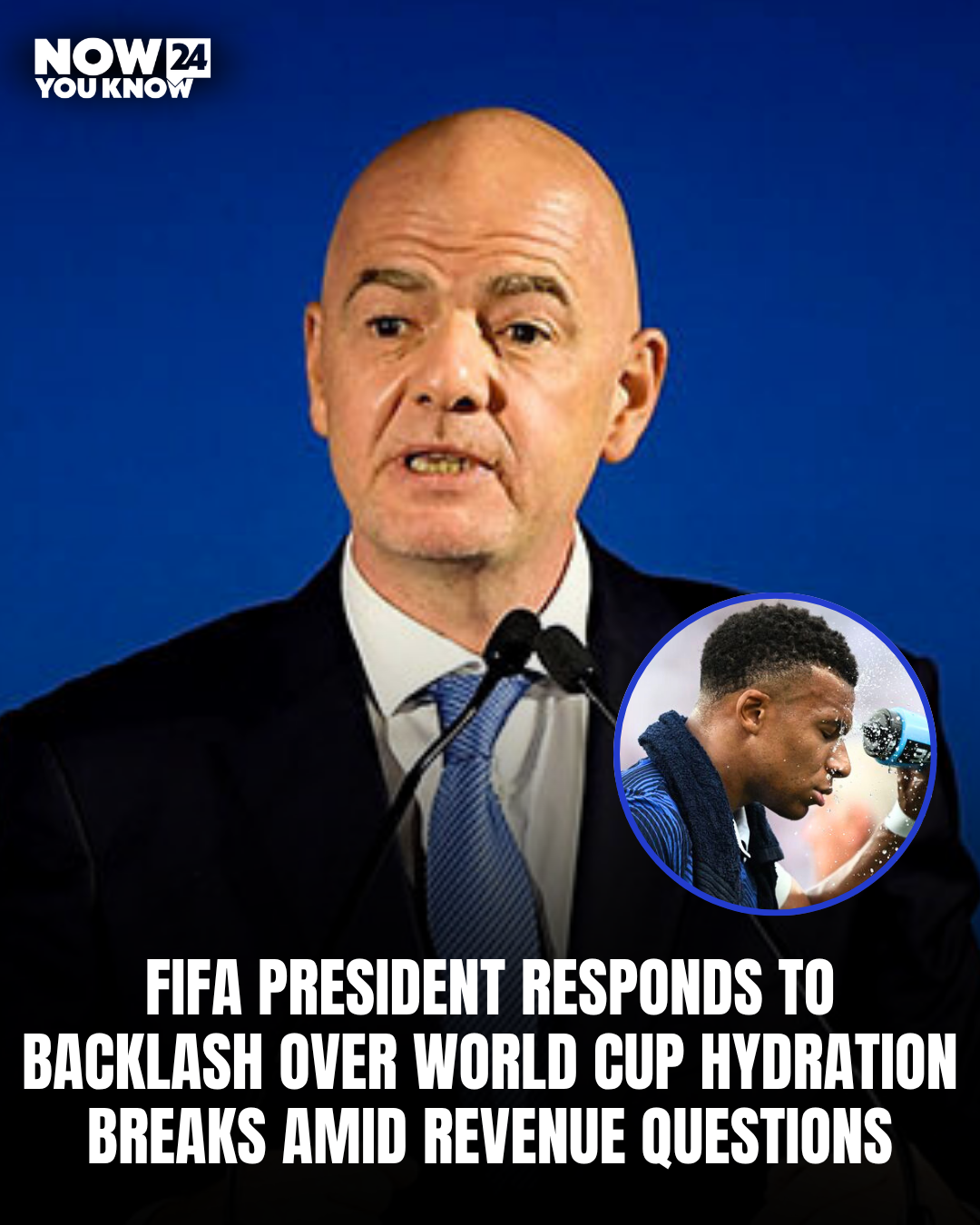
Now, FIFA President Gianni Infantino has addressed the controversy, insisting the breaks are not being used to generate additional revenue for football’s governing body.
Fans Frustrated by Frequent Stoppages
Throughout the tournament, scheduled hydration breaks have interrupted matches in both halves, drawing criticism from supporters in stadiums and viewers watching around the world.
Many fans argue the pauses disrupt the flow of games, particularly when matches are being played in climate-controlled venues where extreme heat is less of a concern.
The debate has intensified as some broadcasts have appeared to synchronize the breaks with advertising slots, leading to speculation that commercial interests may be influencing the decision.
Infantino Denies Financial Motive
Speaking about the issue, Infantino rejected claims that FIFA is profiting from the additional stoppages.
According to the FIFA president, all major commercial agreements connected to the tournament were negotiated well before kickoff, meaning the hydration breaks are not generating new revenue for the organization.
“There is no additional revenue for FIFA,” Infantino said, adding that the decision was made for sporting reasons rather than financial ones.
FIFA Cites Player Welfare and Fairness
Infantino argued that the primary reason for the breaks is player welfare during a demanding tournament schedule.
He noted that teams can play multiple matches over a relatively short period and said brief recovery periods help maintain player performance and wellbeing.
FIFA also believes applying the breaks consistently across all matches creates equal conditions for every team, regardless of weather fluctuations between venues and kickoff times.
Commercial Benefits Still Under Scrutiny
While FIFA denies a financial incentive, critics continue to point to the value of the additional advertising opportunities created by the stoppages.
Industry analysts have estimated that broadcasters and advertisers could collectively generate substantial revenue from the extra commercial inventory made available during the breaks, particularly in major television markets.
That distinction has fueled ongoing debate, with some observers arguing that even if FIFA itself does not directly benefit, the wider sports broadcasting ecosystem certainly does.
A Growing Trend in Modern Sports
The controversy highlights a broader trend across global sports, where leagues and governing bodies increasingly balance competitive integrity, athlete welfare, broadcast demands, and commercial partnerships.
Hydration breaks have long been used during periods of extreme heat, but their routine use regardless of conditions has sparked questions about whether the practice could become a permanent feature of future tournaments.
Will the Breaks Remain?
For now, FIFA appears committed to keeping the policy in place for the remainder of the competition.
Whether fans eventually accept the interruptions or continue to view them as an unnecessary disruption remains to be seen. What is clear is that the debate surrounding hydration breaks has become almost as talked about as some of the matches themselves.
Editorial Note: Estimates regarding advertising revenue reflect industry projections and do not necessarily represent direct earnings for FIFA.