
Disputed Hot-Mic Comment
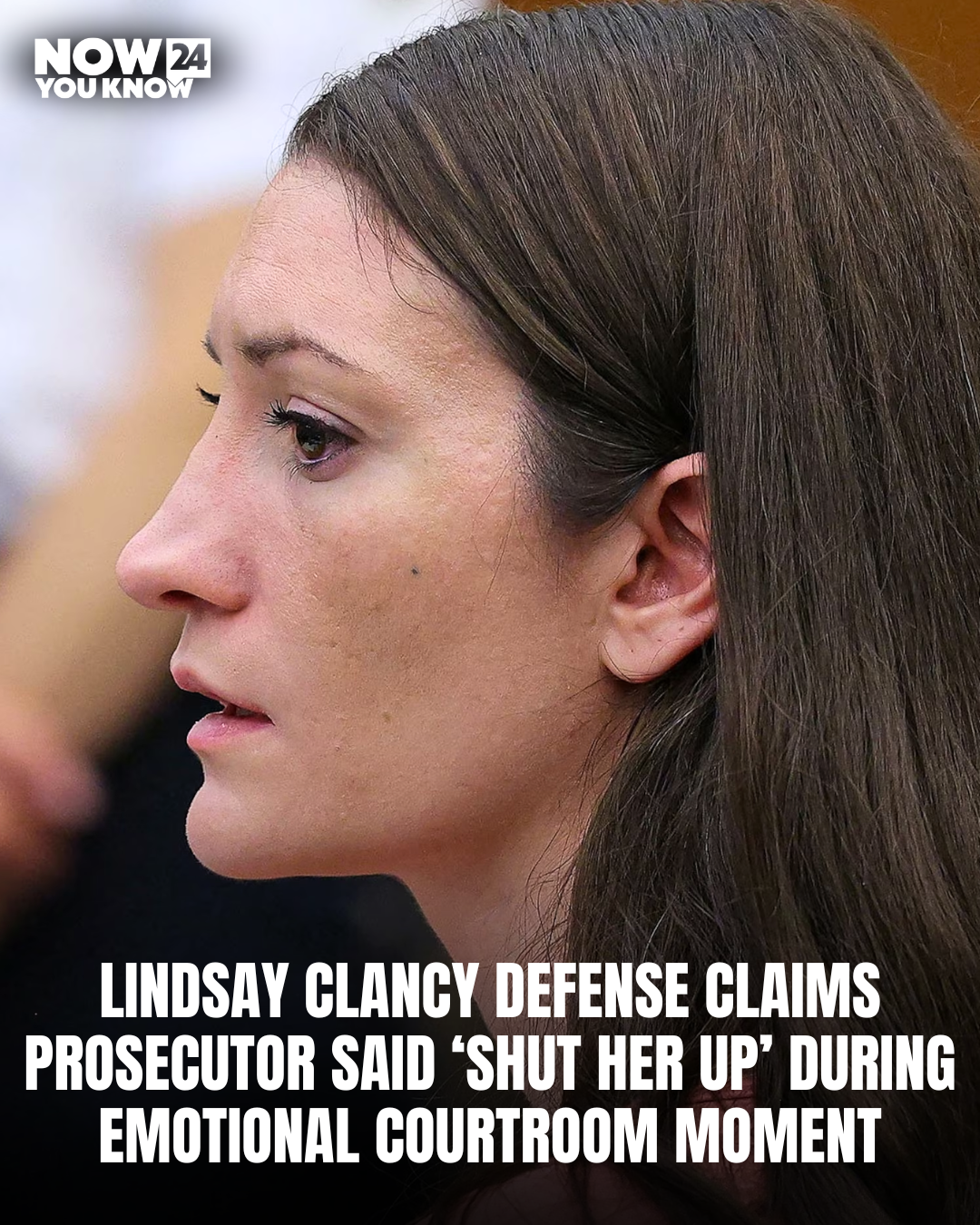
A tense moment in the Lindsay Clancy murder trial has sparked a dispute after her defense attorney claimed a prosecutor was caught on a hot microphone saying, “shut her up” as Clancy became emotional during testimony about her youngest child’s autopsy.
Defense attorney Kevin Reddington raised the allegation in court Friday, telling Judge William Sullivan that the comment was inappropriate. Prosecutors disputed the interpretation, saying the words were “shut it off” and referred to removing autopsy photographs from a courtroom screen.
Judge Issues Warning
Judge Sullivan appeared to address the controversy before the court’s lunch break, warning that inappropriate comments would not be tolerated.
The judge said microphones were positioned throughout the courtroom and warned that anyone found making improper remarks could immediately be removed and barred from the proceedings.
Emotional Testimony
The controversy followed an emotional day in court on Thursday, when Massachusetts medical examiner Kimberley Springer testified about evidence from the autopsy of Clancy’s youngest child, Callan.
Clancy could be heard sobbing during the testimony and was temporarily removed from the courtroom as the proceedings were paused.
A Case That Has Drawn National Attention
Clancy is accused of killing her three children, 5-year-old Cora, 3-year-old Dawson and 8-month-old Callan, at the family’s home in Duxbury, Massachusetts, in January 2023.
Prosecutors allege that she strangled the children using exercise bands before attempting to take her own life. Clancy has pleaded not guilty.
Defense Focuses on Her Mental State
Clancy’s defense argues that she was not criminally responsible for the deaths because she was experiencing postpartum psychosis and had been excessively medicated at the time.
The prosecution disputes that defense, making Clancy’s mental state and her actions before and during the killings central issues in the trial.
What the Hot-Mic Dispute Means
For now, the alleged “shut her up” remark remains a disputed interpretation, not an established fact. The defense says the prosecutor’s words were directed at Clancy, while prosecutors maintain that the comment referred to the courtroom presentation.
The judge’s warning underscores the sensitivity of the proceedings as jurors hear deeply emotional testimony and examine evidence surrounding the deaths of the three children.