
World Cup Fans Say One Unexpected U.S. Expense Is Turning Their Dream Trip Into a Costly Headache
Tipping Culture Catches Visitors Off Guard
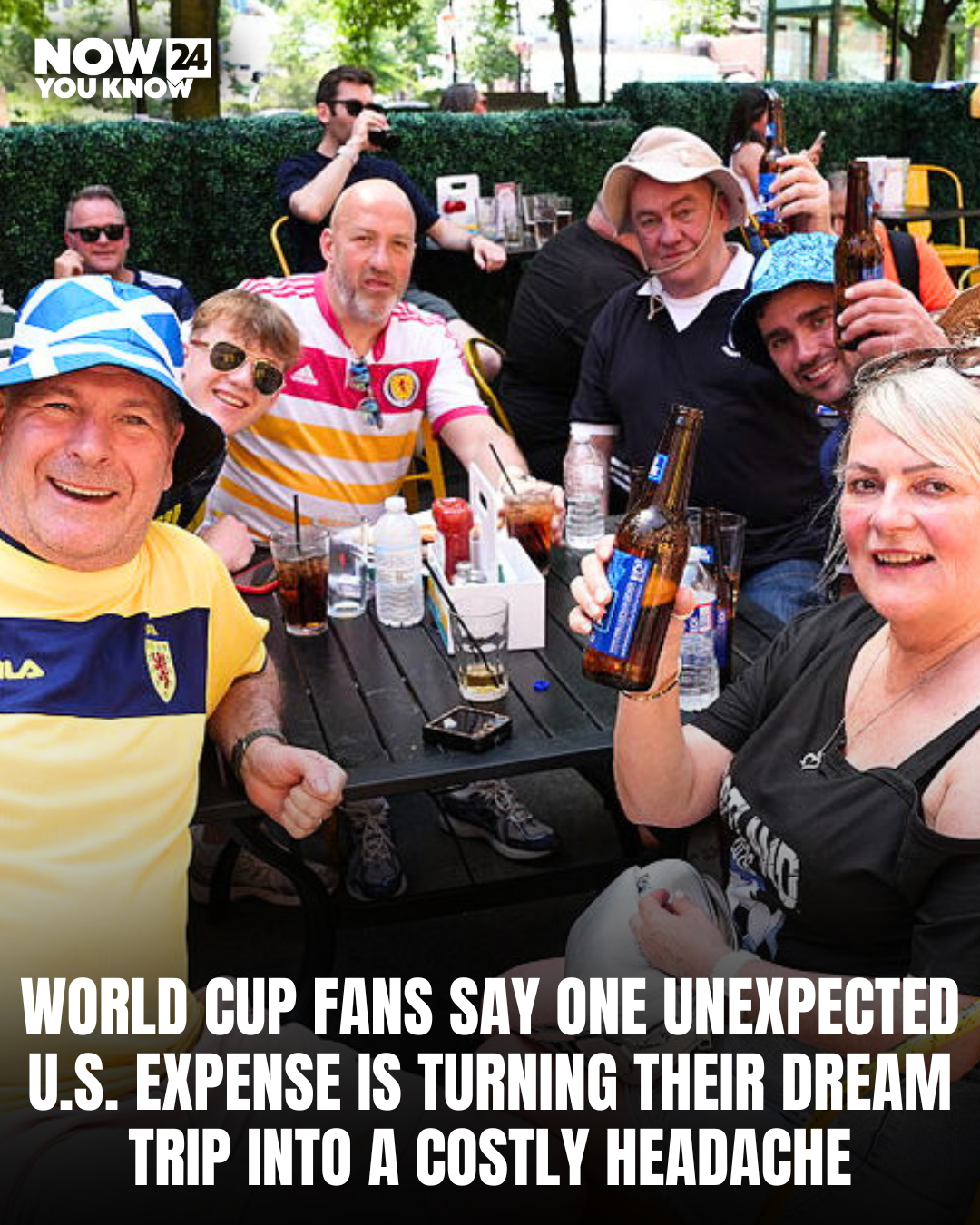
For thousands of international soccer fans, traveling to the United States for the World Cup has been a once-in-a-lifetime experience. But while packed stadiums and unforgettable matches have lived up to expectations, many visitors say one uniquely American custom has caught them completely off guard: tipping.
Fans from England, Australia, Japan and several other countries have described the U.S. tipping culture as confusing, expensive and difficult to navigate, especially after already spending heavily on flights, hotels and match tickets.
Fans Say the Costs Add Up Quickly
England supporter Geoff Pryor told the BBC that while he understands tipping for good service at restaurants, he was surprised to be prompted for tips when buying something as simple as a bottle of water.
“I appreciate they’re not paid as much as perhaps back in the UK, but overall the service is generally good, so when it’s good they deserve a good tip,” he said. “But buying a bottle of water and then being asked to tip felt weird.”
Australian fans Chris O’Flynn and Robert McNamara said the additional costs have added up quickly throughout their trip.
“I still find it a bit confusing why it exists,” O’Flynn explained. “In Australia you have a flat fee, and you pay it. Here people ask for, or expect, tips. Sometimes you don’t know how much you’re supposed to tip.”
McNamara added that while they want to respect local customs, the repeated expectation of tipping has come as a culture shock.
“They’re expecting a tip after every drink so it gets expensive very quick. You’re buying a drink and adding another five dollars on. It’s difficult to comprehend.”
Visitors from Japan shared similar frustrations, saying restaurant prices already feel expensive before tips are added.
One fan said even a relatively inexpensive meal could end up costing significantly more after adding the customary gratuity.
Restaurant Owners Defend the System
Restaurant owners, however, say the situation isn’t as simple as many tourists believe.
In much of the United States, servers rely heavily on tips because their base wages can be extremely low. In states like Georgia, tipped workers can earn as little as $2.13 per hour before tips, with employers only required to make up the difference if total earnings don’t reach the minimum wage.
Rosa Thurnher, owner of Atlanta’s El Ponce restaurant, said a 20% tip remains the standard expectation in the American hospitality industry.
“If they don’t receive any tips, it’s impossible to survive in the service industry,” she explained.
Some Businesses Are Adjusting for Tourists
Some restaurant owners say they’ve already noticed differences in tipping habits among World Cup visitors.
Chris Keller, owner of Banter, a popular soccer bar in Brooklyn, said European tourists have historically tipped less than American customers. To protect his staff during the tournament, some reservations now include prepaid service charges.
Others have found themselves explaining the American system to visitors after customers unknowingly left without tipping.
A Cultural Divide on Display
As the World Cup continues, the debate highlights one of the biggest cultural differences many international visitors experience while traveling in the United States. For tourists, it can feel like an unexpected hidden expense. For restaurant workers, it’s an essential part of earning a living.