




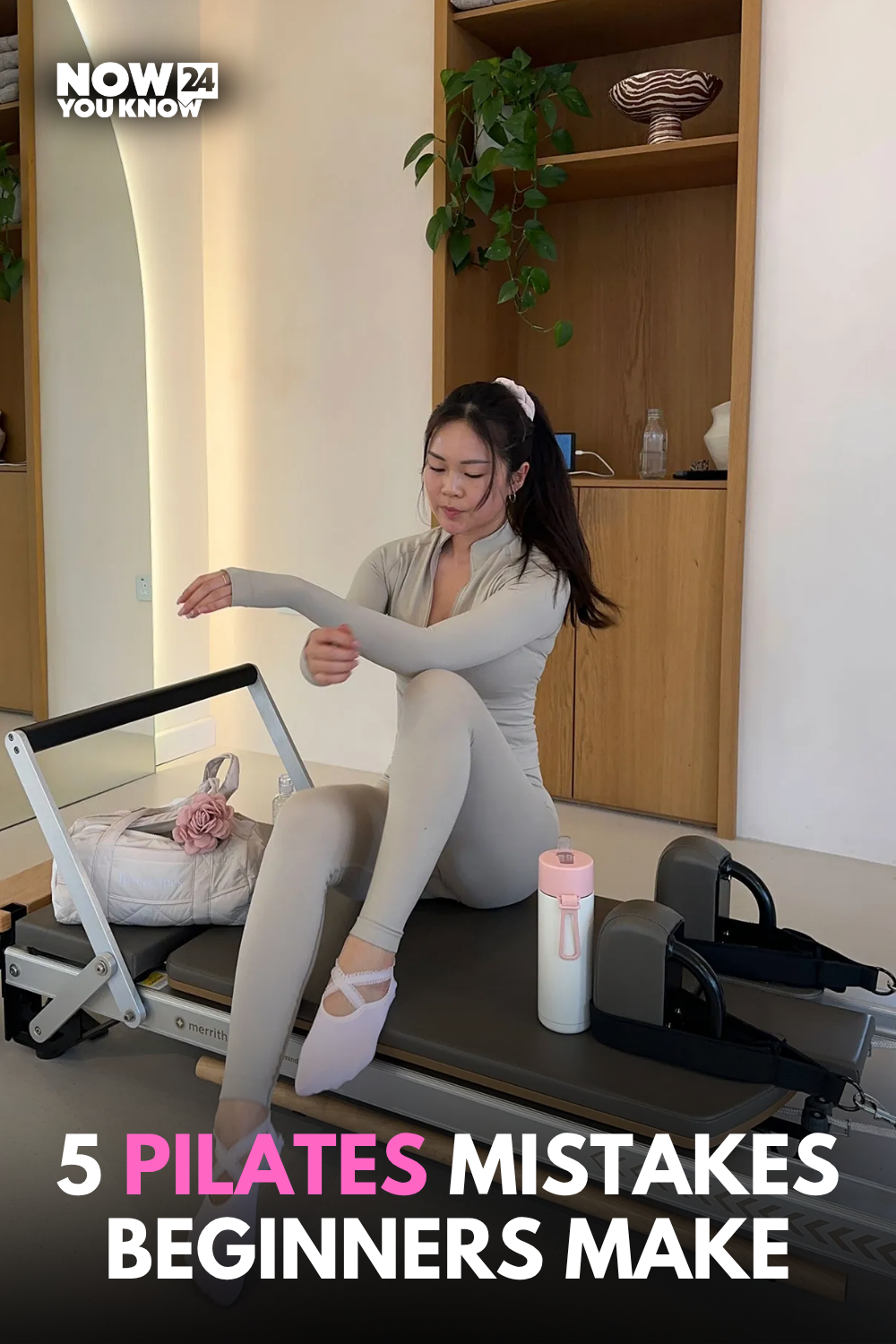

Pilates has earned a reputation for building strength, improving flexibility, and enhancing posture—but only if the movements are performed correctly.
Many beginners assume Pilates is easy because the exercises often look simple. In reality, even small adjustments in technique can completely change how effective a movement feels. Proper form not only helps prevent injury but also ensures you’re activating the right muscles instead of relying on compensation patterns.
According to Pilates instructor Helen O’Leary, these are five of the most common exercises beginners struggle with—and the simple corrections that can make a big difference.
1. Tabletop Toe Taps
This core exercise challenges stability while strengthening the deep abdominal muscles.
Common mistake:
Holding your breath.
Many people instinctively brace by stopping their breathing, creating pressure in the torso rather than engaging the core muscles properly.
Fix it:
Exhale as you lower each foot toward the floor. Controlled breathing naturally activates the deep abdominals while reducing unnecessary strain on the lower back and pelvic floor.
2. Pilates Curl-Up
The curl-up strengthens the upper abdominal muscles without relying on momentum.
Common mistake:
Pulling on your neck.
Many beginners try to lift higher by tugging their head forward instead of curling through the spine.
Fix it:
Keep the back of your neck long and maintain space between your chin and chest. Support your head with your hands without pulling, and allow your ribs to gently sink as you exhale and lift.
3. Glute Bridge
Bridges strengthen the glutes, hamstrings, and core while improving spinal mobility.
Common mistake:
Overarching the lower back.
Lifting too high often causes the ribs to flare and shifts the work away from the glutes.
Fix it:
Focus on pressing through your heels while gently drawing your ribs toward your hips. Lift only until your body forms a straight line from shoulders to knees.
4. Bird Dog
Bird Dog is excellent for improving balance, coordination, and core stability.
Common mistake:
Letting the lower back sag.
Instead of moving from the hips, many people compensate by arching their spine.
Fix it:
Reach your leg backward before lifting it. Think about creating length from your fingertips to your heel while keeping your spine in its natural neutral position.
5. Side-Lying Leg Lift
This exercise targets the glute muscles that help stabilize the hips.
Common mistake:
Using momentum.
Swinging the leg too high shifts the effort into the hip flexors instead of the glutes.
Fix it:
Lift your leg only slightly above hip height using slow, controlled movement. Imagine balancing a glass of water on your top hip to prevent your pelvis from rolling backward.
Why Proper Form Matters
Pilates isn’t about moving faster or performing more repetitions. Small adjustments in posture, breathing, and control often produce the greatest results.
By focusing on quality instead of quantity, you’ll:
- Build stronger core muscles
- Improve balance and posture
- Reduce unnecessary strain on your joints
- Lower your risk of injury
- Get more from every workout
If you’re practicing Pilates at home, slowing down and paying close attention to technique can make every session far more effective. Sometimes the smallest correction creates the biggest improvement.