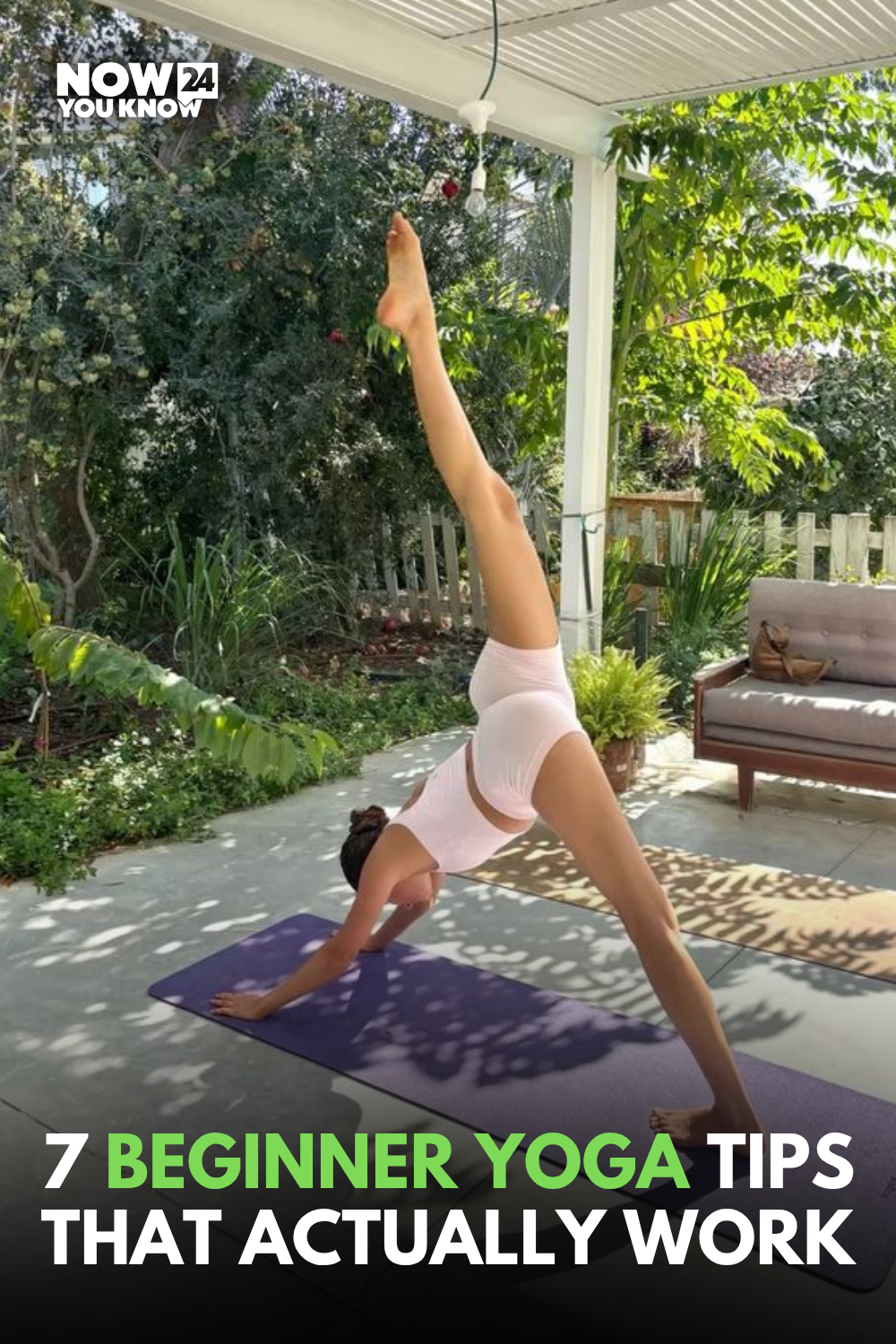

When people think about yoga, they often picture meditation, stretching, and relaxation. While yoga certainly helps reduce stress and improve flexibility, it’s also an excellent form of exercise that can strengthen your entire body, improve balance, and even boost your cardiovascular fitness.
Whether you’re completely new to yoga or looking for a low-impact way to stay active, the practice offers benefits for people of every age and fitness level. The best part? You don’t need to be flexible or experienced to get started.
Can Yoga Really Count as Exercise?
Absolutely.
Depending on the style you choose, yoga can be anything from a gentle recovery session to a full-body workout that leaves you sweating. Flow-based classes combine continuous movement with controlled breathing, raising your heart rate while improving strength, mobility, and endurance.
Unlike many high-impact workouts, yoga is gentle on the joints while still challenging your muscles.
Some of the biggest fitness benefits include:
- Improved flexibility and mobility
- Increased core and total-body strength
- Better posture and balance
- Enhanced muscular endurance
- Reduced stress and anxiety
- Improved focus and mental clarity
- Better coordination and body awareness
Regular yoga practice may also support bone health by providing weight-bearing exercise that helps maintain bone density as we age.
Different Types of Yoga Explained
Not every yoga class feels the same. Choosing the right style depends on your goals.
Hatha Yoga
Perfect for beginners, Hatha classes move at a slower pace and focus on learning basic poses and breathing techniques.
Vinyasa Yoga
Often called “flow yoga,” Vinyasa links movements together with your breath. Classes can range from gentle to challenging and provide an excellent cardiovascular workout.
Power Yoga
Power yoga is faster-paced and places more emphasis on strength and endurance than meditation.
Ashtanga Yoga
This structured style follows a specific sequence of poses and offers a physically demanding workout for experienced practitioners.
Yin Yoga
Yin focuses on long-held stretches that improve flexibility, mobility, and recovery. It’s slower and more relaxing than other styles.
Kundalini Yoga
Kundalini combines movement, breathing exercises, chanting, and meditation to improve both physical and mental well-being.
How Yoga Improves Fitness
If your goal is to improve your overall fitness, you’ll want to choose sessions that keep you moving continuously rather than long periods of resting.
During an effective yoga workout, you may notice:
- Your breathing becomes deeper.
- Your muscles begin to fatigue.
- Your heart rate increases moderately.
- Your balance and coordination are challenged.
These are signs that your body is adapting and becoming stronger.
Flow-based classes lasting 20 to 30 minutes or longer can provide meaningful cardiovascular benefits while strengthening muscles throughout the body.
Simple Ways to Make Yoga More Challenging
As your strength improves, there are several ways to increase the intensity of your practice.
You can:
- Hold poses for longer periods.
- Slow down transitions between movements.
- Add resistance bands or light dumbbells.
- Focus on deeper muscle engagement.
- Increase the length of your sessions.
Bodyweight poses like Chair Pose, Warrior Pose, and Plank are excellent for building functional strength.
How Beginners Can Start Yoga
One of the biggest misconceptions about yoga is that you need to be flexible before you begin.
The truth is the opposite.
Yoga helps you become more flexible over time.
If you’re just starting out:
- Begin with beginner or Hatha classes.
- Practice two or three times each week.
- Focus on proper form rather than advanced poses.
- Use blocks, straps, blankets, or a chair for support when needed.
- Listen to your body and avoid pushing through pain.
Many people find it helpful to attend a few in-person classes before following online videos at home. An instructor can correct your alignment and suggest modifications that make poses safer and more effective.
Consistency Is More Important Than Perfection
You don’t need hour-long classes every day to experience the benefits of yoga.
Practicing consistently—even for just 20 to 30 minutes a few times each week—can improve your flexibility, balance, strength, and mental well-being over time.
The key is finding a style you enjoy enough to stick with.
Final Thoughts
Yoga is much more than stretching. It can be a complete fitness routine that strengthens your muscles, improves balance, increases flexibility, supports heart health, and helps reduce everyday stress.
Whether you’re looking to stay active, improve mobility, or simply feel better in your body, yoga offers an adaptable practice that grows with you. Start where you are, move at your own pace, and remember that every session is a step toward better physical and mental health.