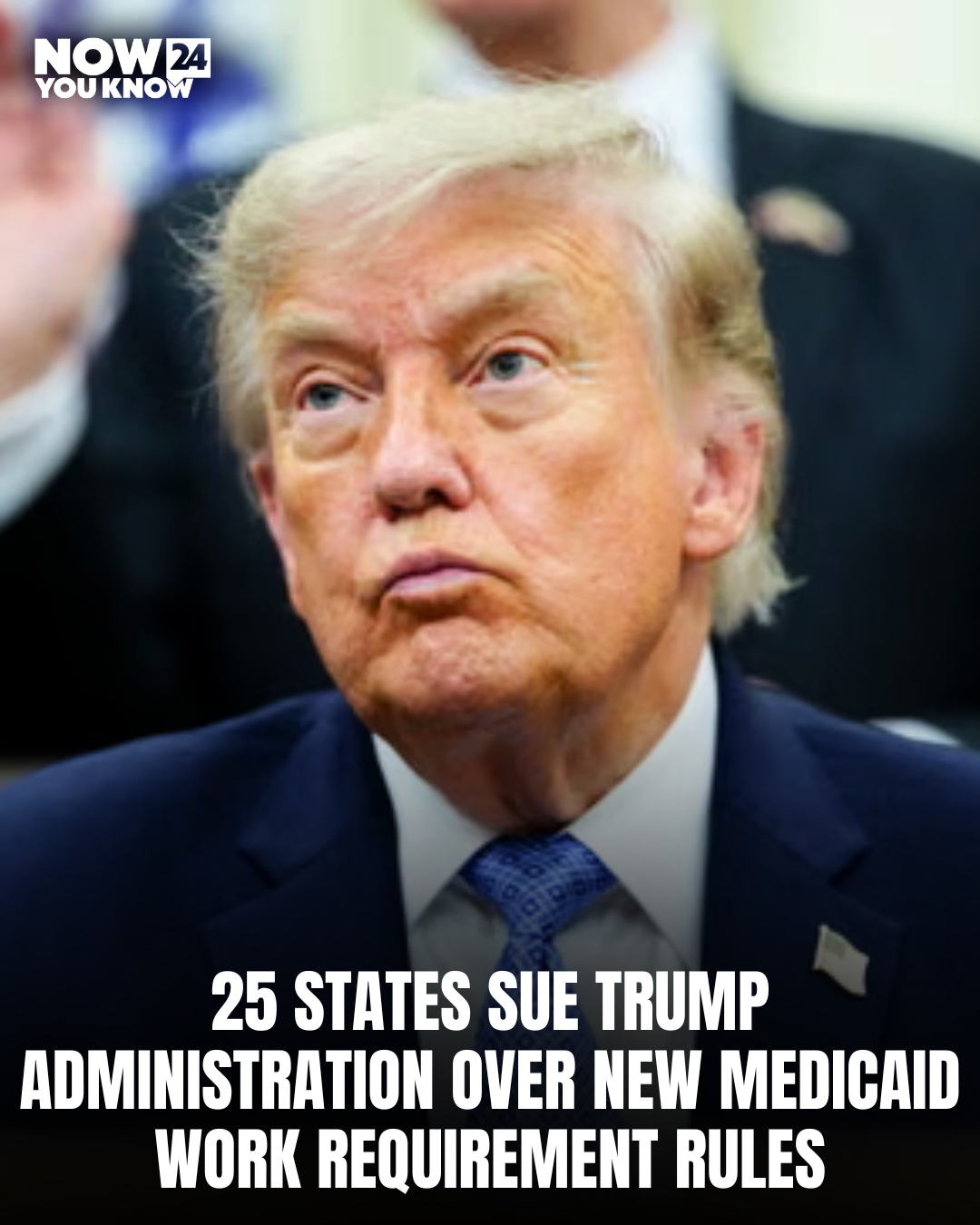

A coalition of Democratic-led states has filed a lawsuit against the Trump administration, challenging new federal guidance on Medicaid work requirements that they argue could cause eligible Americans to lose access to healthcare.
States Challenge New Federal Guidance
The lawsuit, filed by attorneys general and governors from 25 states and the District of Columbia, targets an interim rule issued by the Centers for Medicare and Medicaid Services (CMS). The plaintiffs argue the agency’s interpretation of the 2025 Medicaid law goes beyond what Congress intended, particularly regarding exemptions for medically frail individuals.
According to the complaint, the guidance could create significant administrative hurdles for people who are legally eligible for Medicaid, including those with disabilities, serious illnesses, or individuals receiving ongoing medical treatment.
What’s Changing?
Beginning January 1, adults aged 19 to 64 who receive Medicaid through the program’s expansion will generally be required to work, perform community service for at least 80 hours per month, or attend school at least part-time to maintain coverage.
While the law includes exemptions for certain groups, including individuals with disabilities, serious medical conditions, and those in addiction treatment, the lawsuit argues CMS has adopted a much narrower definition of who qualifies as “medically frail.”
States Say Rule Creates Confusion
The states contend they have spent months preparing for implementation based on earlier guidance, only to receive updated rules that require individuals to prove their medical condition significantly limits their ability to work or attend school.
Officials argue the revised standards leave states with little direction on what documentation will satisfy federal requirements, increasing the risk that eligible patients could lose coverage because of paperwork rather than ineligibility.
Trump Administration Defends the Policy
The Trump administration has consistently argued that Medicaid work requirements encourage self-sufficiency while preserving resources for those most in need. Supporters say the policy is designed to reduce waste and ensure taxpayer-funded benefits are directed toward eligible recipients.
As of publication, the U.S. Department of Health and Human Services and CMS had not publicly responded to the latest lawsuit.
Why the Case Matters
The legal challenge could shape how Medicaid work requirements are implemented nationwide. If the courts side with the states, portions of the federal guidance could be delayed or revised before the new requirements take effect, potentially affecting millions of Medicaid beneficiaries across the country.