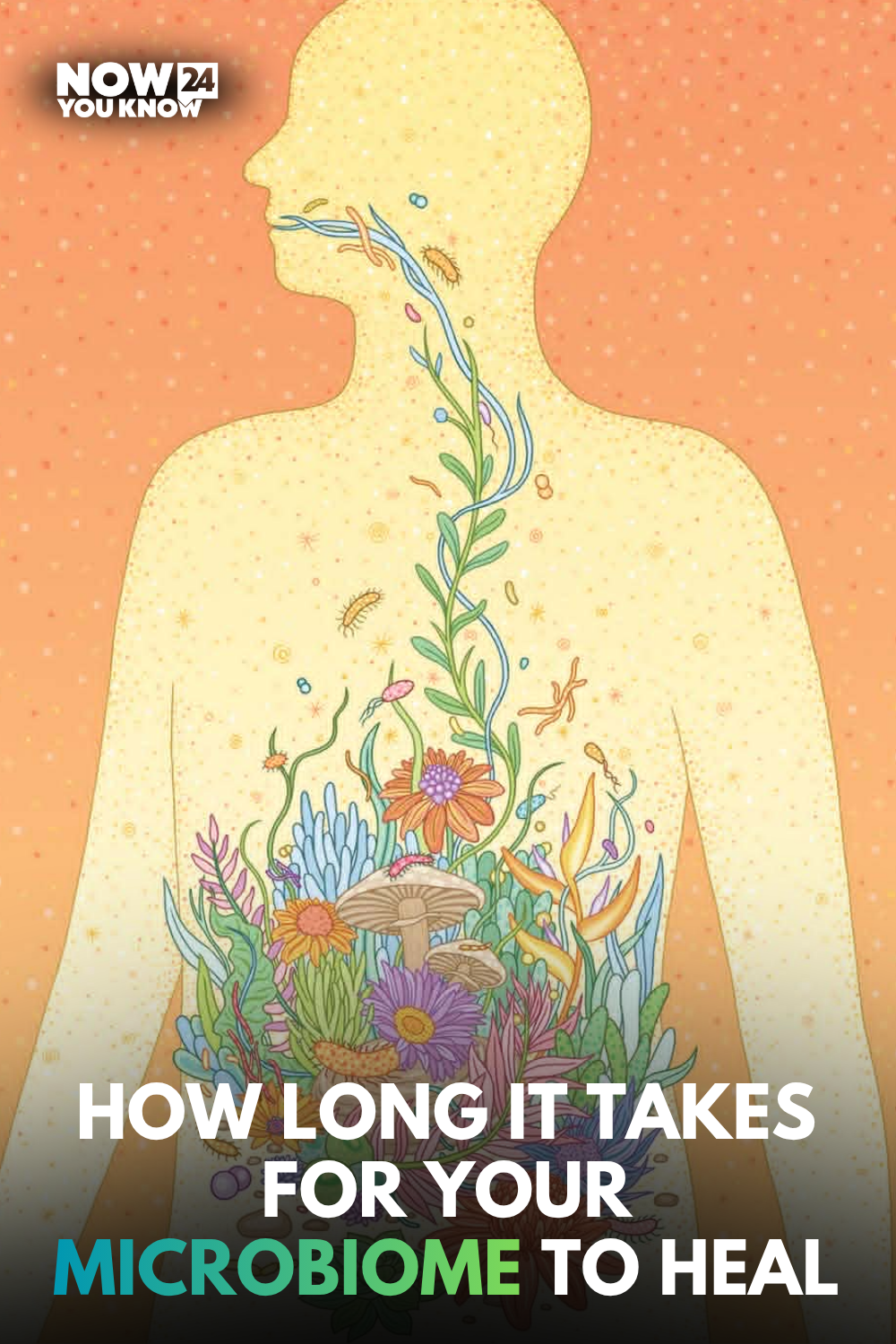

Healing your gut microbiome doesn’t happen overnight. While positive changes can begin within days, lasting improvements usually take weeks or even months, depending on your overall health, diet, and lifestyle.
Here’s what you can realistically expect.
Phase 1: The First 1–3 Days
Your gut microbiome responds surprisingly quickly to dietary changes.
Research shows that switching from a highly processed, low-fiber diet to one rich in fruits, vegetables, legumes, and whole grains can begin altering your gut bacteria within 24 to 72 hours.
However, these early changes are temporary. Returning to old eating habits can quickly reverse much of the progress, making consistency far more important than short-term efforts.
Phase 2: Weeks 2–8
During the first several weeks, your gut begins adapting to healthier foods.
As beneficial bacteria feed on dietary fiber, they produce short-chain fatty acids (SCFAs)—important compounds that help reduce inflammation, strengthen the gut lining, and support overall digestive health.
Some people may notice temporary side effects during this adjustment period, including:
- Gas
- Bloating
- Mild digestive discomfort
These symptoms often occur because your gut bacteria are adapting to increased fiber intake. For most people, they gradually improve as the microbiome becomes more balanced.
By the end of two months, many individuals begin experiencing:
- Better digestion
- More consistent energy levels
- Less bloating
- Improved bowel regularity
Phase 3: Six to Twelve Months
Long-term healing requires patience.
If your gut has been disrupted by years of poor eating habits, chronic stress, illness, or repeated courses of antibiotics, rebuilding a diverse and resilient microbiome may take six months to a year.
Over time, consistent healthy habits can help support:
- Greater microbial diversity
- Stronger immune function
- Reduced inflammation
- Improved digestive resilience
- Better overall health
The goal isn’t simply changing your gut bacteria for a few days—it’s creating an environment where beneficial microbes can thrive for the long term.
What Helps Your Gut Heal Faster?
While everyone’s timeline is different, these habits consistently support a healthier microbiome:
- Eat a wide variety of fiber-rich plant foods.
- Include fermented foods like yogurt, kefir, kimchi, or sauerkraut if tolerated.
- Stay hydrated.
- Exercise regularly.
- Prioritize quality sleep.
- Manage chronic stress.
- Avoid unnecessary antibiotic use whenever possible.
- Limit ultra-processed foods and excess added sugar.
The Bottom Line
Your gut microbiome can begin responding to healthier choices within just a few days, but meaningful, lasting improvements take weeks to months of consistent care.
Think of gut healing as a marathon rather than a quick detox. Every healthy meal, good night’s sleep, and positive lifestyle choice helps build a stronger, more resilient microbiome over time.