




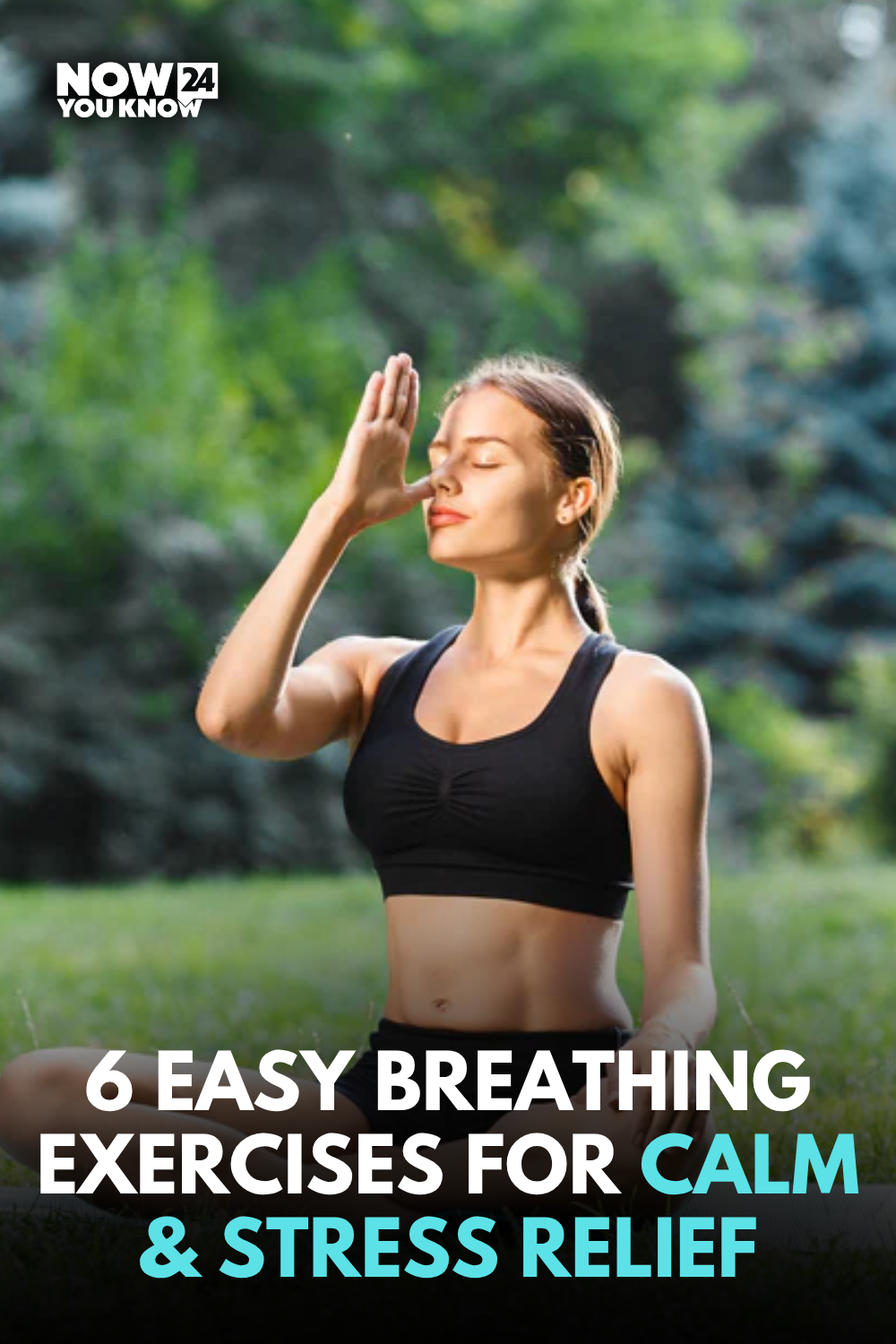

When life feels overwhelming, one of the most powerful tools for calming your mind is something you’re already doing every day: breathing.
Breathwork is the practice of using intentional breathing techniques to help relax your body, reduce stress, improve focus, and support overall well-being. Best of all, it doesn’t require any equipment and can be practiced almost anywhere.
If you’re new to breathwork, here’s what you need to know and a few beginner-friendly techniques to get started.
What Is Breathwork?
Breathwork refers to a variety of breathing exercises designed to influence your physical and mental state.
For centuries, breathing techniques have been used in practices like yoga, meditation, and traditional wellness systems to promote relaxation and mindfulness.
Modern research also suggests that slow, controlled breathing can help activate your body’s parasympathetic nervous system—often called the “rest and digest” system—which helps counter the body’s stress response.
Benefits of Breathwork
Regular breathwork may help:
- Lower stress and anxiety
- Improve focus and concentration
- Promote better sleep
- Reduce muscle tension
- Lower heart rate and blood pressure
- Encourage relaxation
- Improve emotional well-being
Because breathwork is simple and accessible, it’s an easy wellness habit to add to your daily routine.
Beginner-Friendly Breathwork Techniques
1. Diaphragmatic (Belly) Breathing
Also called abdominal breathing, this technique encourages deep breaths using your diaphragm instead of shallow chest breathing.
How to do it:
- Sit or lie comfortably.
- Place one hand on your chest and the other on your stomach.
- Inhale slowly through your nose, allowing your belly to rise.
- Exhale gently through your mouth or nose as your belly falls.
This is one of the easiest breathing exercises for beginners and can be practiced almost anytime.
2. Box Breathing
Popular among athletes and first responders, box breathing follows an equal rhythm.
The pattern:
- Inhale for 4 seconds.
- Hold for 4 seconds.
- Exhale for 4 seconds.
- Hold again for 4 seconds.
Repeat for several rounds.
This method helps quiet racing thoughts while bringing your attention back to the present moment.
3. 4-7-8 Breathing
This breathing technique is often used to help calm the mind before sleep.
Steps:
- Inhale through your nose for 4 counts.
- Hold your breath for 7 counts.
- Exhale slowly for 8 counts.
The longer exhale encourages relaxation and may make it easier to fall asleep.
4. Alternate Nostril Breathing
This traditional yogic breathing exercise involves breathing through one nostril at a time.
Many people use it to improve focus while creating a sense of balance and calm.
It may take a little practice at first, but many find it especially helpful before stressful events or important meetings.
5. Pursed-Lip Breathing
This simple technique slows your breathing and helps you control each exhale.
How:
- Inhale slowly through your nose.
- Purse your lips as though you’re about to whistle.
- Exhale slowly through your pursed lips.
It’s commonly recommended for people with certain lung conditions but can also be useful for anyone looking to relax.
6. Five-Finger Breathing
This combines breathing with gentle movement to improve mindfulness.
Trace one finger along your opposite hand while matching your breathing:
- Breathe in as you trace upward.
- Breathe out as you trace downward.
Repeat across all five fingers.
This technique is especially popular for reducing anxiety and improving focus.
Tips for Starting a Breathwork Practice
If you’re just beginning:
- Find a quiet, comfortable place.
- Start with 5–10 minutes per day.
- Don’t worry about stopping your thoughts completely.
- Focus on your breath or repeat a calming word or phrase.
- Practice consistently rather than perfectly.
Like any skill, breathwork becomes easier the more often you do it.
Which Breathwork Technique Is Best?
There’s no single “best” method.
Different techniques serve different purposes:
- Belly breathing: Everyday stress relief
- Box breathing: Focus and calm during busy days
- 4-7-8 breathing: Better sleep
- Alternate nostril breathing: Mental clarity
- Pursed-lip breathing: Slowing the breath
- Five-finger breathing: Relaxation and mindfulness
Experiment with a few methods to discover which feels most natural for you.
Final Thoughts
Breathwork is one of the simplest ways to support both your mental and physical well-being.
Just a few minutes of intentional breathing each day can help reduce stress, improve focus, and create a greater sense of calm—without requiring expensive equipment or major lifestyle changes.
Sometimes, the fastest way to slow life down is simply to slow your breath.