




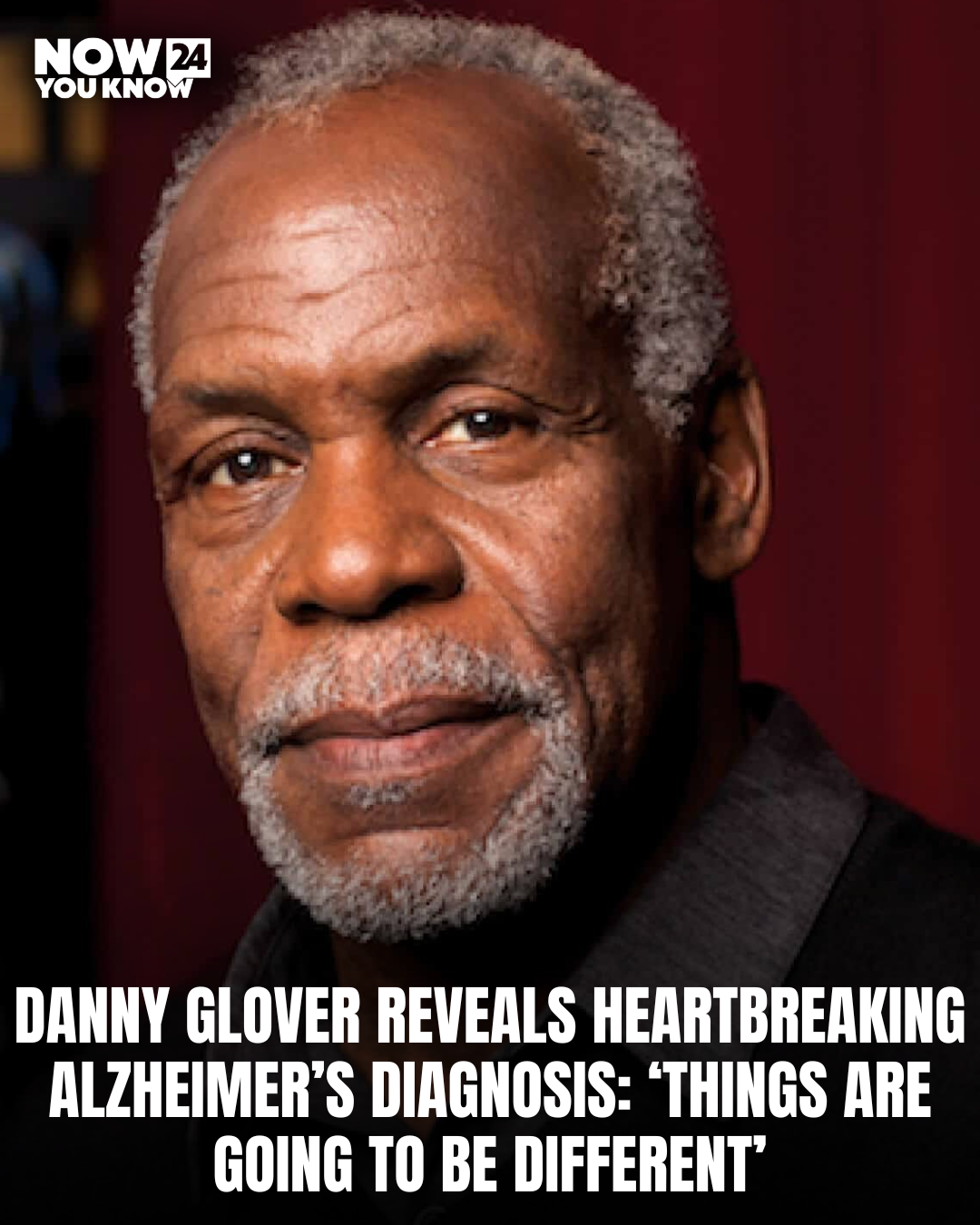

Danny Glover has revealed that he has been living with Alzheimer’s disease since receiving a diagnosis in 2022, opening up publicly for the first time about his health.
The 79-year-old actor shared the news during an interview with TODAY, explaining that while he knows the disease will progress, he remains determined to live life on his own terms.
“I’m sure as it advances, things are going to be different and changing,” Glover said. “I can live with it in a sense.”
His daughter, Mandisa Glover, joined him for the interview and said it was important that her father tell his own story while he is able.
“I think it’s really important for him to have control of his own narrative, of his own life story,” she said. “That’s really important. And the time is now. What better time but now for him to speak for himself?”
Glover also expressed gratitude for the support of his loved ones.
“They’ve got my back,” he said of his family.
Best known for starring as Roger Murtaugh in the Lethal Weapon film series, Glover has enjoyed a career spanning more than four decades. His film credits also include The Color Purple, Predator 2, Dreamgirls, Saw, and numerous other acclaimed productions.
Away from Hollywood, Glover has long been recognized for his humanitarian work and political activism. In 2005, he co-founded Louverture Films, a production company focused on socially conscious storytelling and elevating underrepresented voices. In 2021, he received the Jean Hersholt Humanitarian Award in recognition of his decades of advocacy.
Despite his diagnosis, Glover says he has no intention of stepping away from the causes that matter to him.
“We have challenges in the world,” he said. “I think art becomes a reframe, a way of looking at that.”
He added, “Justice is our collective responsibility. One thing I learned from my parents most of my life is the capacity of people to change through their own. They become the architect of their change.”
Alzheimer’s disease is the most common form of dementia and can affect memory, reasoning, language, and everyday functioning. Symptoms often worsen over time, though the rate of progression varies from person to person.
By sharing his diagnosis, Glover hopes to raise awareness about the condition while encouraging conversations about living with Alzheimer’s and the importance of family support.