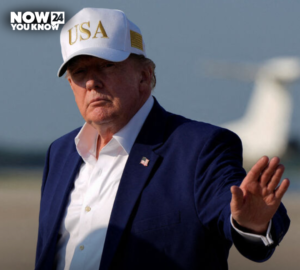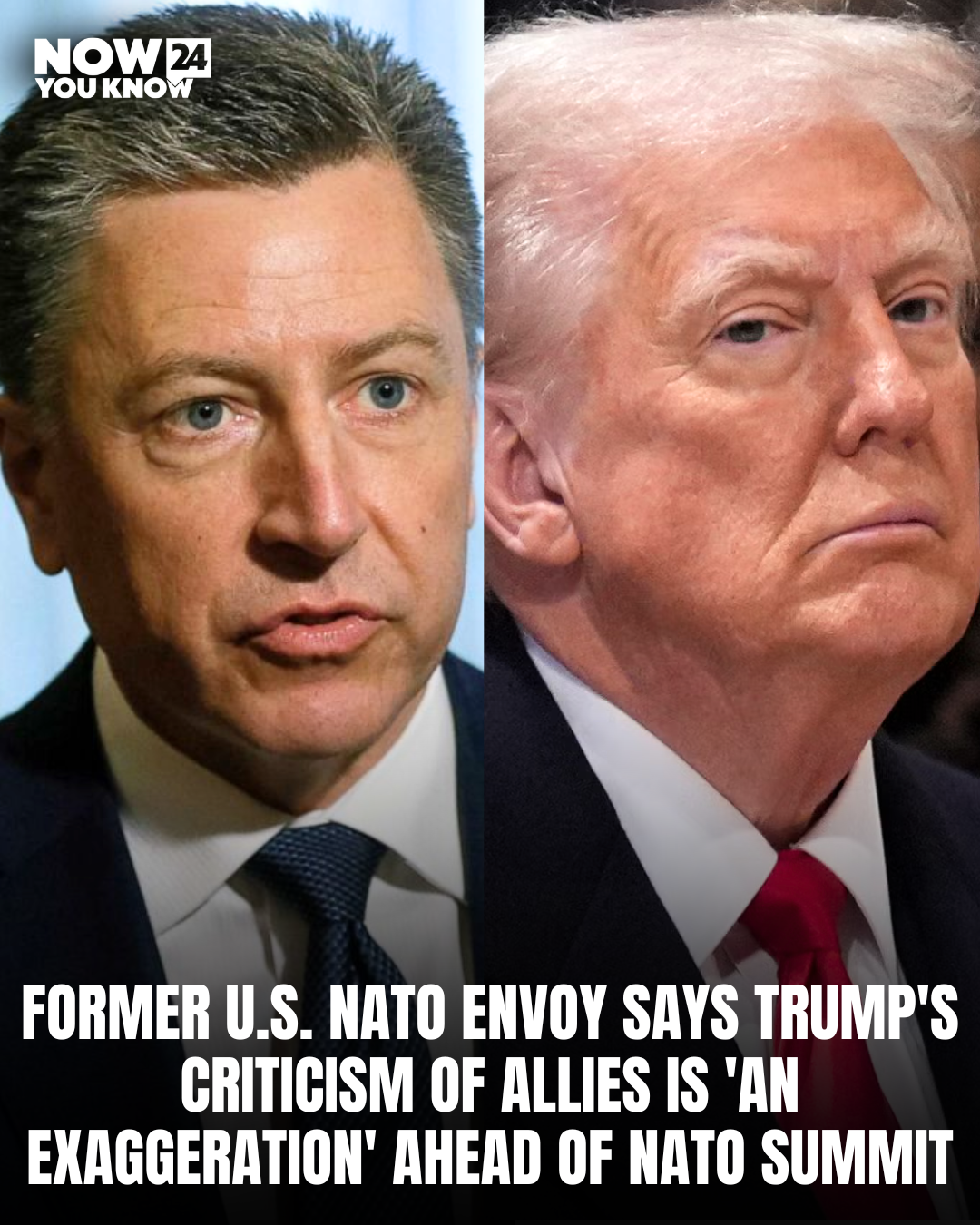

Former U.S. Ambassador to NATO Kurt Volker says President Donald Trump is unlikely to overshadow the upcoming NATO summit in Turkey, despite his recent criticism of several European allies. Speaking to Euronews, Volker suggested Trump’s latest remarks should be viewed in the context of his broader communication style.
“Donald Trump is always raging about something,” Volker said, adding that the president has frequently voiced frustration over issues ranging from defense spending to U.S. foreign policy. He also argued that Trump is unlikely to create major tensions during the summit because of his longstanding relationship with Turkish President Recep Tayyip Erdoğan.
Dispute Over Iran and NATO
In recent weeks, Trump has criticized some NATO members for declining to support U.S. military operations related to Iran. Several European governments maintained that the conflict was separate from NATO’s collective defense responsibilities and chose not to participate directly.
Volker described the administration’s criticism as “an exaggeration,” arguing that many allies were never asked in advance to support the operation because they were not informed of the plans beforehand. He suggested it was unfair to accuse them of failing to assist in an operation they had not been consulted about.
Defense Spending Remains a Key Issue
Trump has repeatedly urged NATO members to increase their military spending, a position he has maintained throughout both of his terms in office. He has often argued that the United States shoulders a disproportionate share of the alliance’s defense burden, while many European nations rely too heavily on American military support.
Those concerns are expected to remain a central topic during the upcoming summit, where alliance members are likely to discuss defense budgets, regional security, and continued cooperation on shared security challenges.
Summit Could Test Alliance Unity
Despite recent disagreements, Volker expressed confidence that the NATO meeting will focus on strengthening cooperation rather than escalating public disputes. He noted that diplomatic gatherings often provide opportunities for leaders to resolve differences behind closed doors.
With tensions over defense spending, Ukraine, and the Middle East continuing to shape transatlantic relations, the summit is expected to be closely watched for signs of how the alliance plans to navigate an increasingly complex global security environment.