


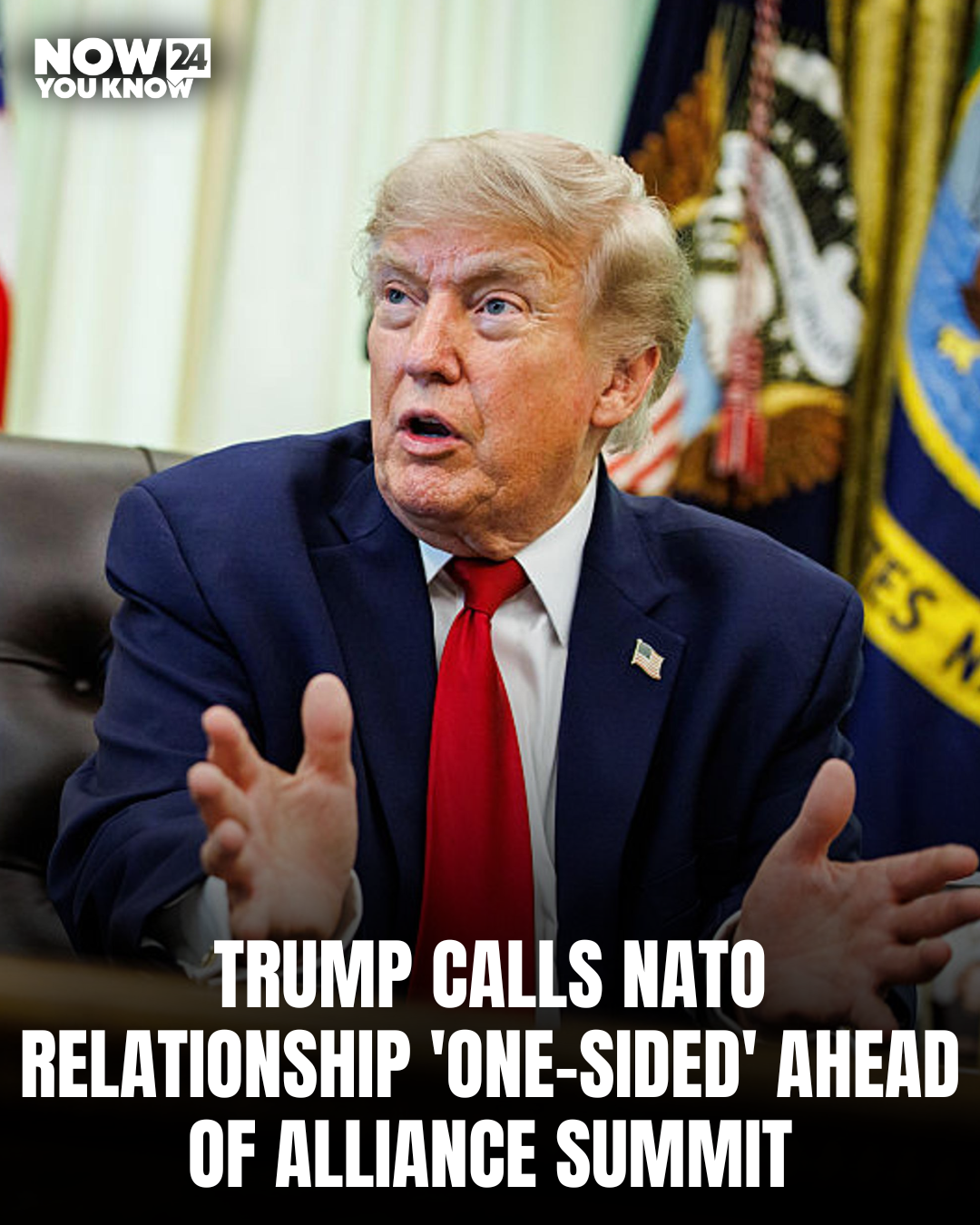

President Donald Trump has renewed his criticism of NATO ahead of next week’s alliance summit, arguing that the United States is carrying too much of the burden for the military alliance. In a post on Truth Social, Trump described the current arrangement as “ridiculous” and said Washington’s relationship with NATO is “not reciprocal.”
The president also expressed frustration over the response of several European allies during the recent conflict involving Iran, claiming they “were not there for us.” His comments come as NATO leaders prepare to meet in Ankara, Turkey, where defense spending and the future of the alliance are expected to dominate discussions.
Defense Spending Remains a Central Issue
Trump has long argued that European NATO members should contribute a larger share toward collective defense. He has repeatedly maintained that the United States spends disproportionately more on the alliance than many of its partners, calling for allies to increase their military investments.
The debate has already led NATO members to commit to higher long-term defense spending targets. Even so, disagreements remain over how quickly countries should meet those goals and what role the United States should continue to play in European security.
Iran Tensions Add to Alliance Friction
The president’s latest remarks also reflect ongoing tensions over the recent military campaign involving Iran. Several European governments declined to participate directly or limited support for U.S. operations, arguing the conflict fell outside NATO’s collective defense mission.
Trump and members of his administration have publicly criticized that response, while European leaders have maintained that their decisions were based on the specific circumstances of the conflict rather than a lack of commitment to the alliance.
High-Stakes Summit Ahead
The NATO summit is expected to bring together leaders from all 32 member nations to discuss defense spending, regional security, and future cooperation. Trump’s attendance is likely to draw particular attention given his recent comments and longstanding calls for NATO reform.
Despite the sharp rhetoric, diplomatic meetings often provide opportunities for leaders to address disagreements privately. Observers will be watching closely to see whether the summit produces greater unity or highlights ongoing divisions within the alliance.