
Trump Issues Fresh Warning to Tehran
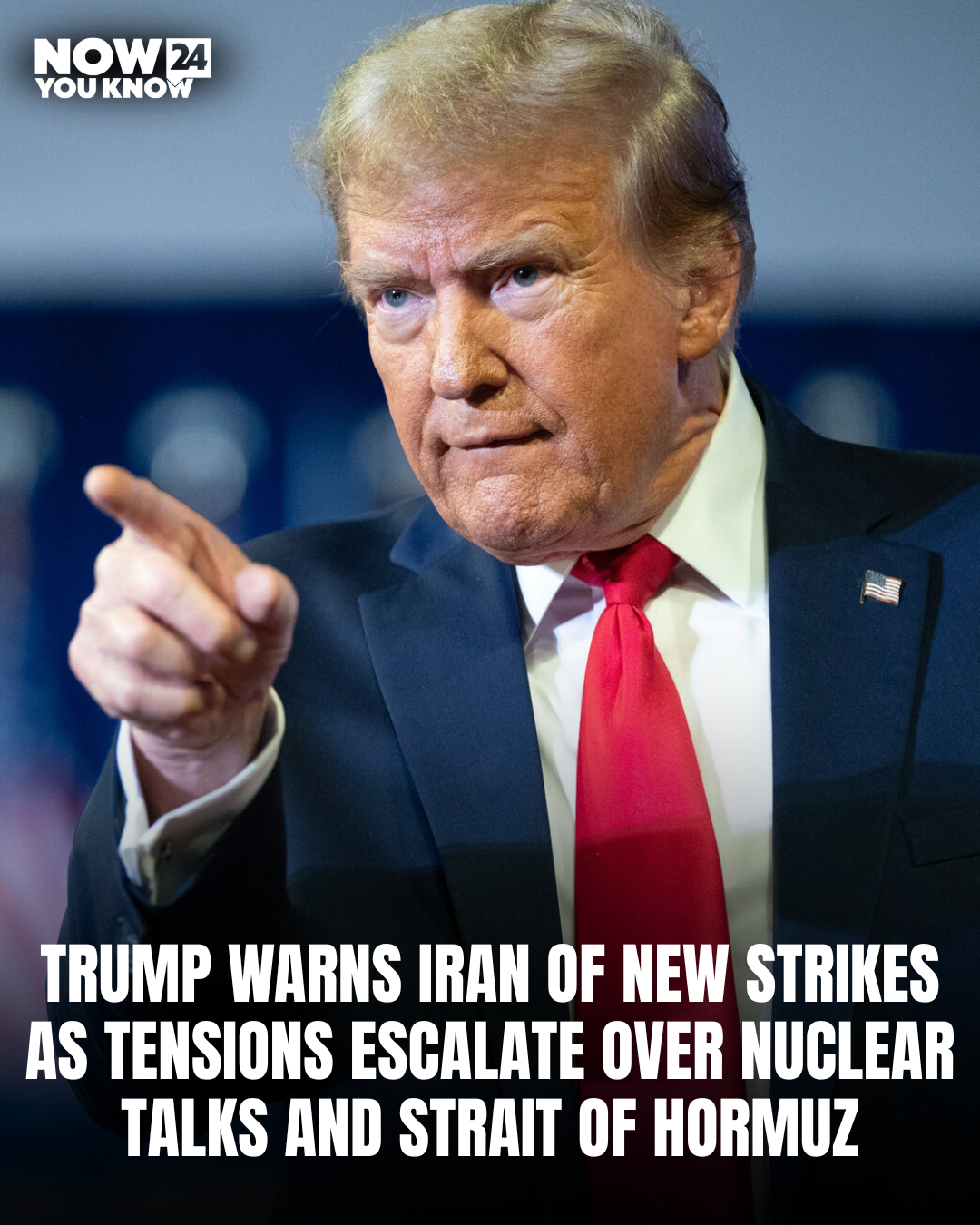
President Donald Trump has warned that the United States could launch additional strikes against Iran if Tehran refuses to return to negotiations, as military tensions between the two countries continue to intensify.
Speaking during a televised interview, Trump said Iran could face attacks on key infrastructure if diplomatic efforts fail. His remarks came as U.S. and Iranian forces exchanged strikes for a fourth consecutive day, fueling concerns about a broader regional conflict.
Military Operations Continue
The latest escalation follows renewed U.S. military operations targeting Iranian military sites, including missile positions, drone facilities, and coastal defense systems. According to U.S. Central Command, the strikes were intended to reduce Iran’s ability to threaten commercial shipping in the Strait of Hormuz.
Iran responded by launching missiles and drones toward locations associated with U.S. allies in the region. Several Gulf nations reported activating air defense systems, while authorities monitored the evolving security situation.
Strait of Hormuz Remains at the Center of the Crisis
The Strait of Hormuz continues to be one of the most significant flashpoints in the conflict. Around 20% of the world’s seaborne oil supply passes through the narrow waterway, making any disruption a major concern for global energy markets.
Trump also announced that he had abandoned an earlier proposal to impose a fee on commercial cargo using the strait, instead saying he expects expanded trade and investment agreements with Gulf allies.
Diplomacy and International Concerns
Despite the escalating rhetoric, Trump said U.S. officials have continued communicating with Iranian representatives, urging Tehran to return to negotiations.
At the same time, international observers have warned that attacks on civilian infrastructure, including power plants and bridges, could raise serious concerns under international humanitarian law. The Geneva Conventions prohibit deliberate attacks on civilian objects unless they are being used for military purposes, and legal assessments depend on the specific circumstances of any conflict.
Global Markets Feel the Impact
The renewed military exchanges have already affected global markets. Oil prices rose as commercial shipping through the Strait of Hormuz slowed, reflecting concerns that a prolonged conflict could disrupt one of the world’s most important energy corridors.
Analysts say continued instability in the region could have far-reaching consequences for fuel prices, international trade, and global economic growth if diplomatic efforts fail.
What Happens Next?
With military operations continuing alongside diplomatic contacts, the coming days may prove critical in determining whether the crisis moves toward negotiations or a wider confrontation. Governments around the world are closely monitoring developments as tensions remain high.