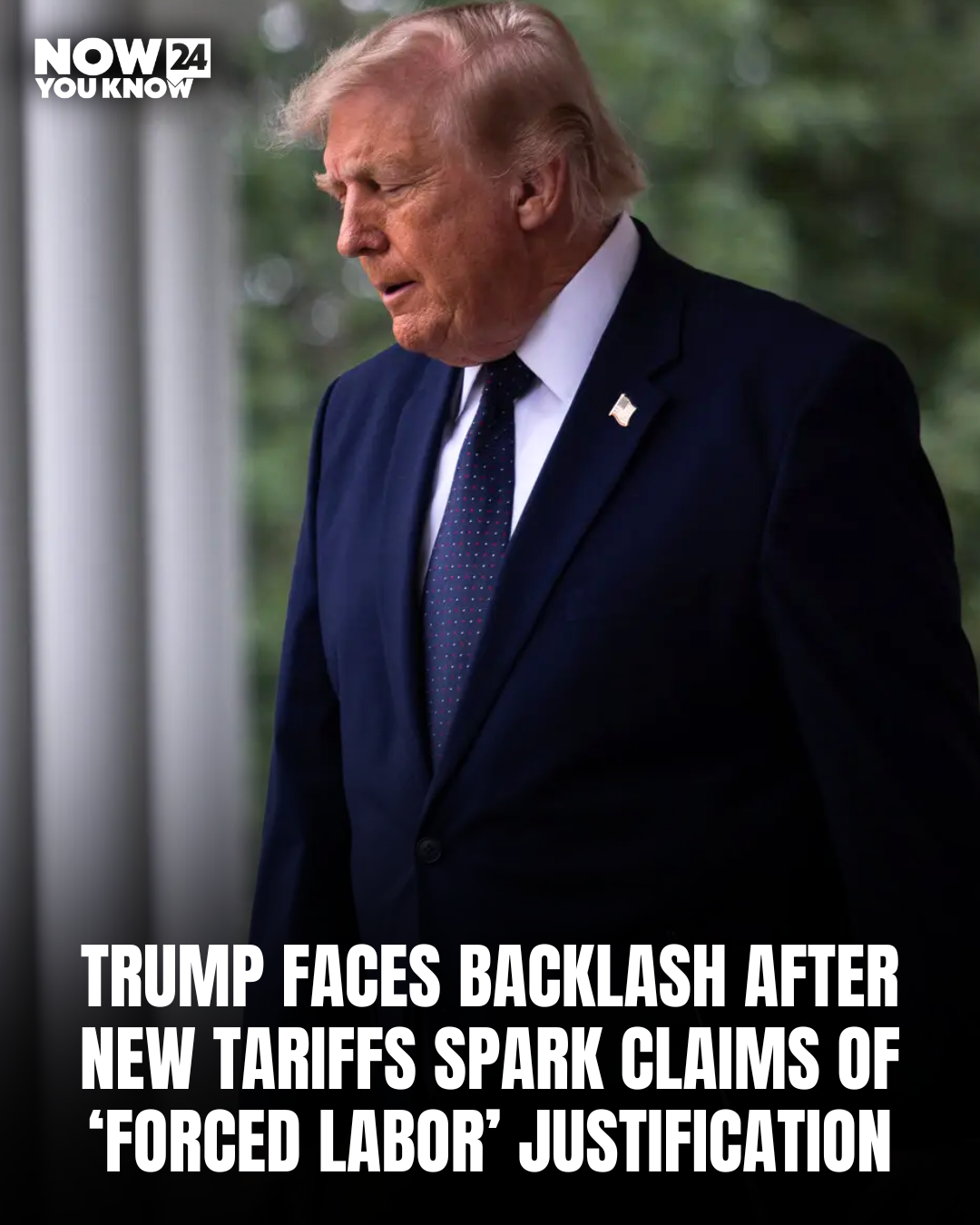

President Donald Trump is facing criticism after his administration announced a new round of tariffs affecting more than 80 countries, with opponents arguing that the stated reason for the trade measures is being used as a legal workaround.
The new tariffs, ranging from 10% to 12.5%, target major U.S. trading partners, including Canada, Mexico, China, the United Kingdom, Australia, India, and European Union nations. The measures took effect Friday under Section 301 of the Trade Act of 1974.
The Trump administration says the tariffs are intended to pressure countries to eliminate forced labor from their supply chains. U.S. Trade Representative Jamieson Greer argued that stronger action is needed after years of limited progress on the issue.
However, several Democratic lawmakers questioned that explanation, calling it a convenient legal justification after courts challenged Trump’s previous tariff policies. They argued that if forced labor were truly the main concern, countries with very different labor records would not face similar tariff rates.
Critics also warned that the new import taxes could increase prices for American consumers. Some lawmakers pointed to recent economic studies suggesting that tariffs often lead to higher costs for businesses and households as import expenses are passed on to shoppers.
While many Republicans praised the administration’s tougher trade stance, others expressed concern about the economic impact. Senator John Cornyn acknowledged that tariffs generally raise the price of imported goods, saying he is worried about how they could affect American families.
The latest trade measures are expected to face further legal challenges, continuing the debate over the president’s authority to impose tariffs without direct approval from Congress.