




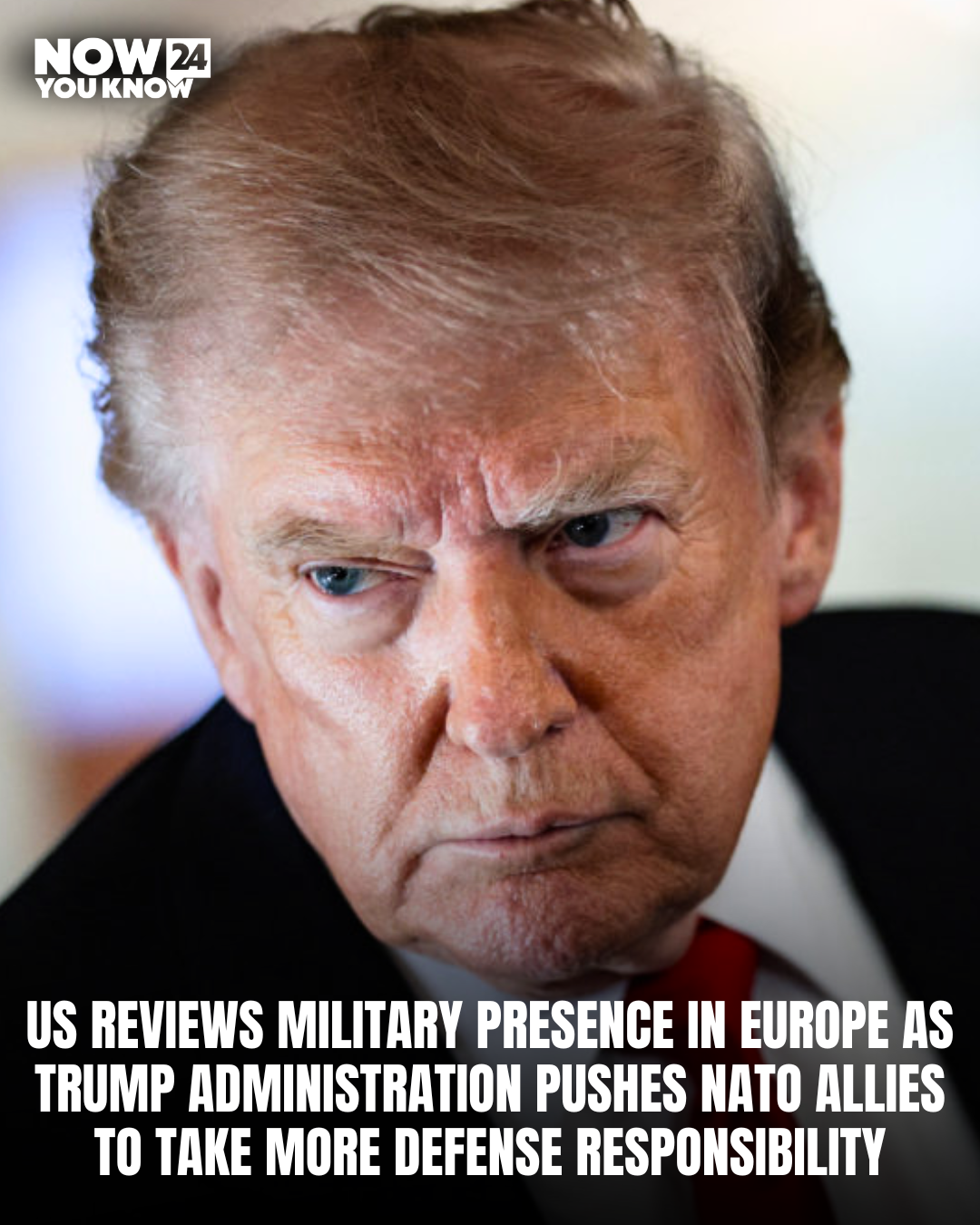

The United States has launched a six-month review of its military presence in Europe, a move that could reshape the future of American forces on the continent as Washington pressures NATO allies to increase their own defense commitments.
The review, announced by the Department of War, will examine U.S. troop levels, military bases, and access agreements across Europe. Officials say the goal is to determine whether NATO is moving toward a more balanced approach where European nations take greater responsibility for conventional defense.
A Major Review of US Forces Abroad
Under Secretary Elbridge Colby confirmed that the Europe Posture Review has officially begun, describing it as an effort to ensure NATO becomes a stronger and more sustainable alliance.
The assessment follows comments from Defense Secretary Pete Hegseth, who previously warned that some NATO members must do more to strengthen their own militaries rather than relying heavily on the United States.
Possible Troop Reductions in Europe
One potential outcome of the review could be a reduction in the number of American troops stationed across Europe. The Trump administration has already considered withdrawing around 5,000 U.S. troops from Germany, reflecting its broader push to adjust America’s overseas military commitments.
However, officials have stressed that troop reductions in some areas do not necessarily mean a weaker U.S. role in Europe.
Poland Could See Increased US Presence
While Germany could see changes, Poland may become a larger focus of American military cooperation. U.S. officials have suggested that discussions with Warsaw could include expanding the American presence there, including the possibility of a permanent U.S. military base.
The shift reflects Poland’s growing importance as a frontline NATO member, particularly following Russia’s invasion of Ukraine in 2022.
The Future of NATO Under Debate
Colby said the review supports what Hegseth has called “NATO 3.0,” an effort aimed at transforming the alliance into a stronger military force capable of responding to future threats.
The administration argues that European allies must invest more in their own defense capabilities, while critics warn that major changes to U.S. deployments could create uncertainty at a sensitive time for European security.
A Test for NATO Allies
Hegseth previously described the review as a test of NATO members’ commitment to defense spending and military readiness. He warned that some countries would struggle to meet expectations, while others could emerge as stronger contributors.
The final recommendations from the review are expected after six months and could influence the future of America’s military strategy in Europe for years.