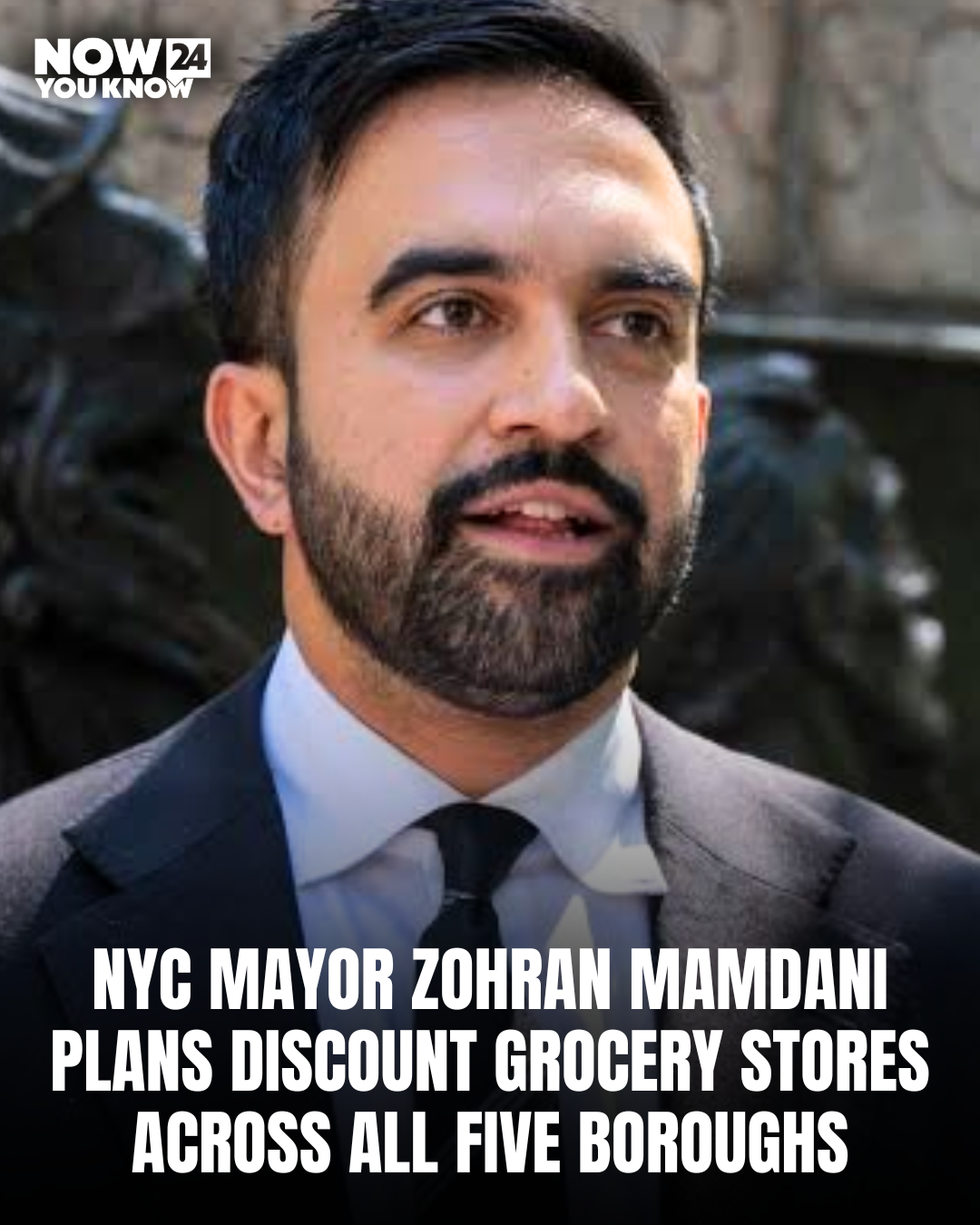

New York City Mayor Zohran Mamdani is proposing a new approach to tackling rising food costs by creating a network of city-run discount grocery stores across all five boroughs.
The plan would establish five municipal supermarkets offering essentials such as fresh produce, meat, seafood, eggs, and milk at prices designed to remain below traditional retail costs.
A New Model for Affordable Groceries
According to the proposal, shoppers could access prices that are expected to average around 30% lower than regular grocery stores. The program would use a free membership system designed to make affordable food available while preventing excessive bulk purchasing.
Supporters say the idea could help families struggling with high living costs by reducing monthly grocery expenses. The proposal estimates that some households could save around $90 per month, or approximately $1,000 per year.
First Store Planned for the Bronx
The first location is expected to open in Hunts Point, Bronx, in late 2027. The area is already known as one of the largest food distribution centers in the United States, making it a strategic location for the city’s first store.
The project would reportedly receive around $70 million in city funding and subsidies to help establish the initial network.
Why Supporters Back the Idea
Supporters argue that government-backed grocery stores could provide a safety net during periods of inflation, especially for lower-income residents who feel the impact of rising food prices the most.
They believe the city could use its purchasing power to negotiate lower costs and make essential goods more accessible.
Critics Raise Concerns
The proposal has also faced criticism from opponents who question whether the city should operate grocery stores directly.
Critics warn about the long-term costs of maintaining the stores, possible competition with private supermarkets, and challenges such as supply shortages or inefficient management.
A Major Test for City Government
The plan represents one of the more ambitious attempts by a major U.S. city to directly intervene in food affordability. If successful, it could become a model for other cities dealing with similar cost-of-living challenges.
However, the program’s success will likely depend on whether the city can maintain low prices while managing operating expenses and ensuring reliable supplies.