
Senate Approves Major Sanctions Package
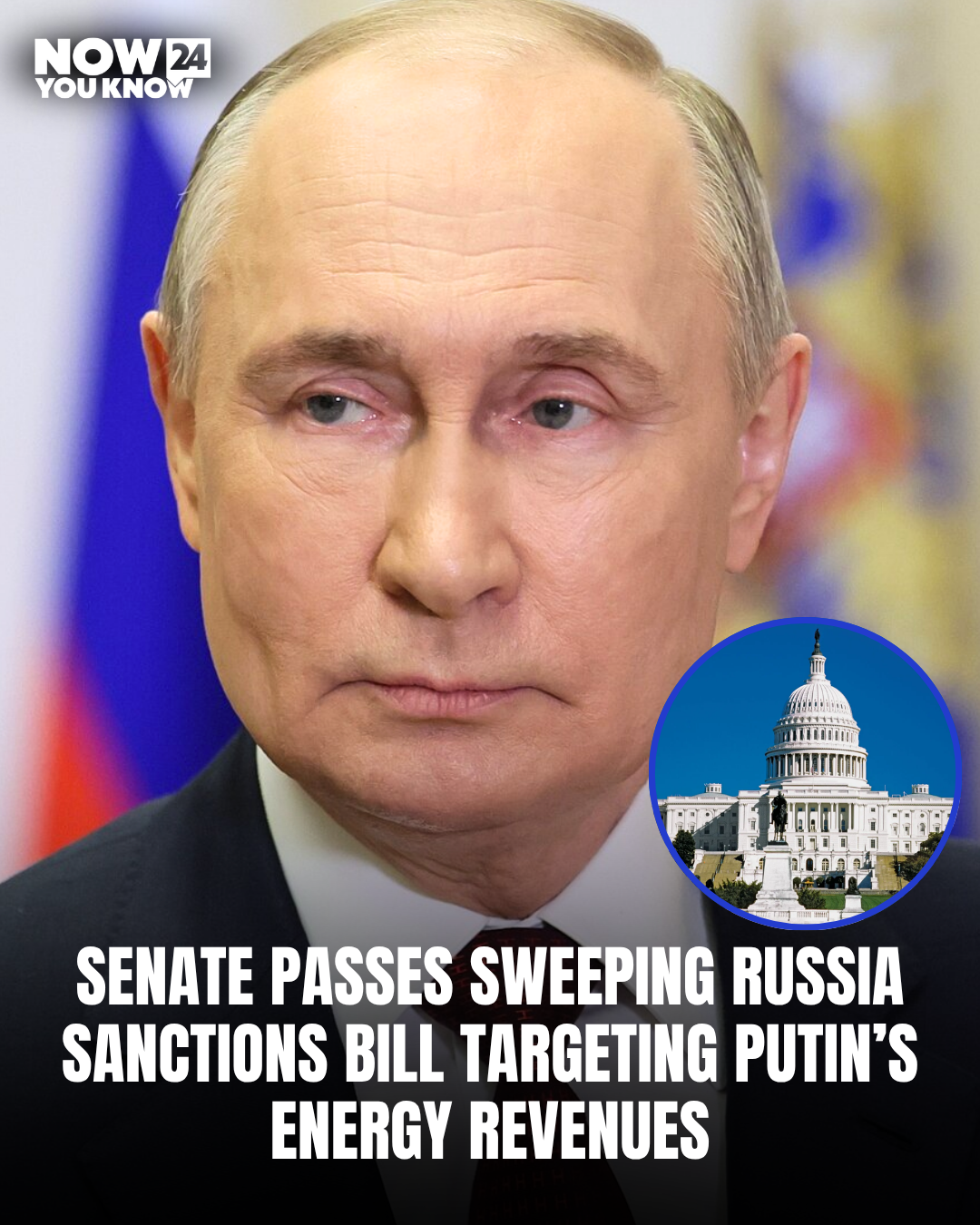
The U.S. Senate has passed a sweeping sanctions bill targeting Russia’s energy revenues, sending the legislation to the House of Representatives for consideration.
The measure passed by an overwhelming 86-11 vote and would give the United States significant new tools to pressure countries that continue importing Russian oil and gas.
Tariffs Could Reach 100%
One of the most significant provisions would allow tariffs of up to 100% on imports from countries purchasing Russian energy.
The measure is designed to put additional pressure on major buyers of Russian oil and gas, including countries such as China and India, while also targeting maritime networks accused of helping Russia evade Western sanctions.
Pressure on Putin’s War Economy
Supporters argue that Russia’s energy exports remain a crucial source of revenue for the Kremlin and that cutting those revenues could increase pressure on President Vladimir Putin to negotiate an end to the war in Ukraine.
Senators supporting the legislation described it as a way to apply economic pressure that could have an impact beyond what can be achieved militarily.
Ukraine Welcomes the Vote
Ukrainian President Volodymyr Zelenskyy welcomed the Senate vote, saying stronger American sanctions could help pressure Russia toward ending its invasion.
The legislation also received support from European officials, reflecting continued efforts among U.S. and European governments to restrict Moscow’s ability to finance the war.
The Bill Still Faces the House
Despite the Senate’s strong vote, the sanctions package is not yet law. It must still pass the House of Representatives and be signed by the president before its provisions can take effect.
The House is not expected to consider the legislation until after its summer recess, meaning the next major stage of the fight will come when lawmakers return to Washington.
Potential Impact on Global Energy Markets
The proposed sanctions could have consequences well beyond Russia. Countries that continue buying Russian energy could face significantly higher costs if the tariff provisions are implemented.
That could create new pressure on governments to reduce their dependence on Russian fuel, but it could also contribute to uncertainty in global energy markets and potentially affect prices for consumers.
A Major Test for U.S. Russia Policy
The Senate vote represents a significant bipartisan push for tougher economic pressure on Moscow. But the legislation’s future will depend on what happens in the House and whether the Trump administration ultimately supports its final form.
For now, the vote sends a clear message that a large bipartisan group of senators wants to increase the economic cost of Russia’s continued war in Ukraine.