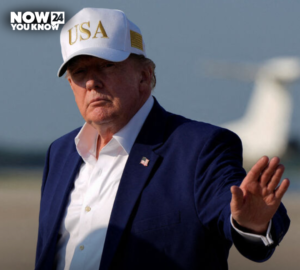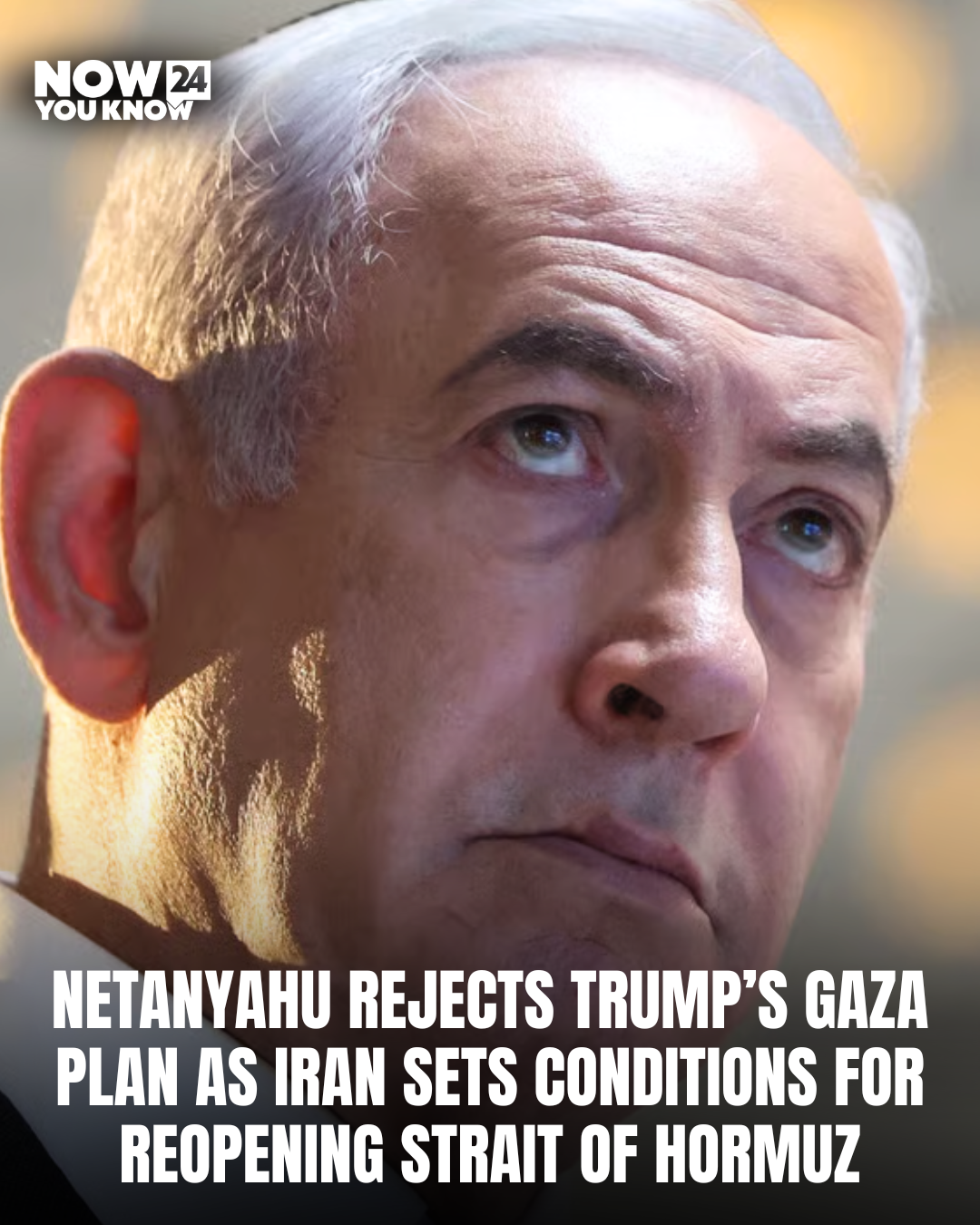

Israeli Prime Minister Benjamin Netanyahu has rejected a 15-point Gaza proposal backed by President Donald Trump, signaling that major disagreements remain over how the war and its aftermath should be handled.
Netanyahu said Israel would not withdraw its military from Gaza until Hamas is genuinely disarmed, making the issue of Hamas’s weapons a central obstacle to any agreement.
The development comes as Hamas has reportedly endorsed the US-backed framework, creating a significant divide between the position of the Palestinian militant group and the Israeli government.
Netanyahu’s rejection adds another complication to efforts aimed at securing a lasting arrangement in Gaza. Any deal would have to address security, Hamas’s future role and the presence of Israeli forces, all of which remain highly sensitive issues.
At the same time, tensions are continuing to rise around the Strait of Hormuz, a crucial global shipping route. Iran’s Revolutionary Guards said the waterway would not be reopened until the United States accepts Tehran’s conditions.
Iran has also reportedly demanded compensation for war damages as part of its conditions for reopening the strait, potentially adding another major obstacle to negotiations.
The developments highlight how several separate disputes in the region are becoming increasingly connected. Gaza, Iran’s demands and access through Hormuz could all have consequences for regional security, international diplomacy and global energy markets.
For now, there appears to be little sign of an immediate breakthrough. Netanyahu is demanding the removal of Hamas’s military capabilities, while Iran is maintaining its own conditions over Hormuz. The next stage of negotiations could determine whether the region moves toward de-escalation or another period of heightened tensions.