
Iran has ruled out restarting direct negotiations with the United States for now, adding another obstacle to diplomatic efforts aimed at easing tensions between the two countries.
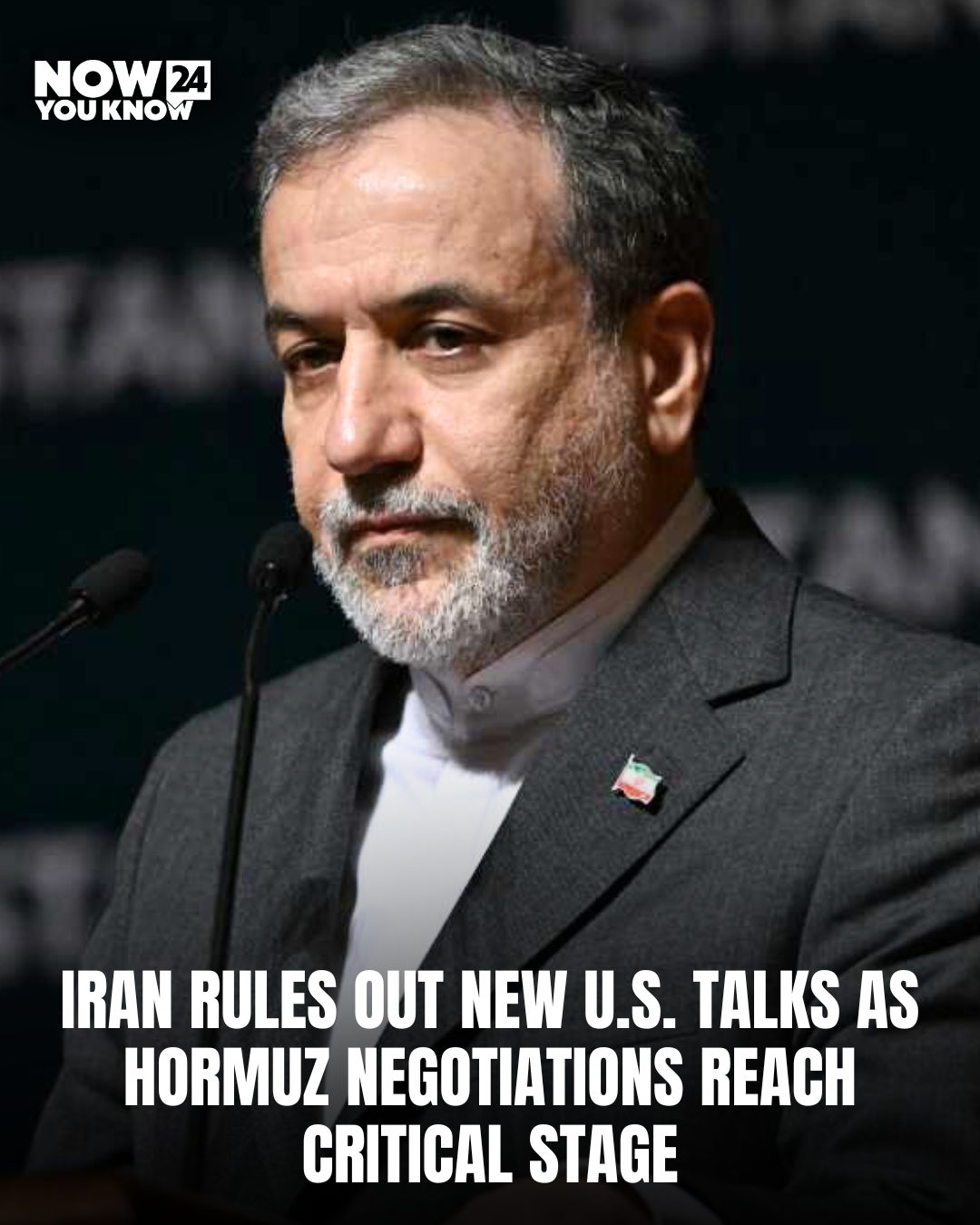
Iranian Foreign Minister Abbas Araghchi said Sunday that Tehran would not resume negotiations until Washington stops what Iran describes as violations of the Islamabad memorandum and makes amends. He said intermediaries were still working to find a way to restart talks.
At the same time, Iran and Oman are continuing discussions over a new maritime route through the Strait of Hormuz. Araghchi said those talks have reached their final stage, with specialists working on the proposed routes.
But Tehran is making an important distinction. An agreement with Oman would not mean that the Strait of Hormuz has been reopened. Araghchi said reopening the strategically important waterway remains dependent on separate conditions.
Iranian Foreign Ministry spokesman Esmaeil Baqaei has likewise said that no direct negotiations with Washington are currently taking place. Instead, Tehran and Oman are discussing a temporary arrangement intended to facilitate safer maritime navigation.
The distinction matters because the Strait of Hormuz is one of the world’s most strategically important shipping routes. Any prolonged disruption can affect oil supplies, shipping costs and energy prices well beyond the Middle East.
The latest developments suggest that diplomacy has not completely stopped, but it remains highly conditional. Iran is communicating through intermediaries while refusing to return to formal U.S. talks, and negotiations with Oman are focused on navigation rather than an immediate reopening of the waterway.
For now, the biggest question is whether the separate diplomatic tracks can eventually produce a broader agreement. A new shipping route may help ease pressure around Hormuz, but Tehran is making clear that it does not consider that the same thing as reopening the strait.