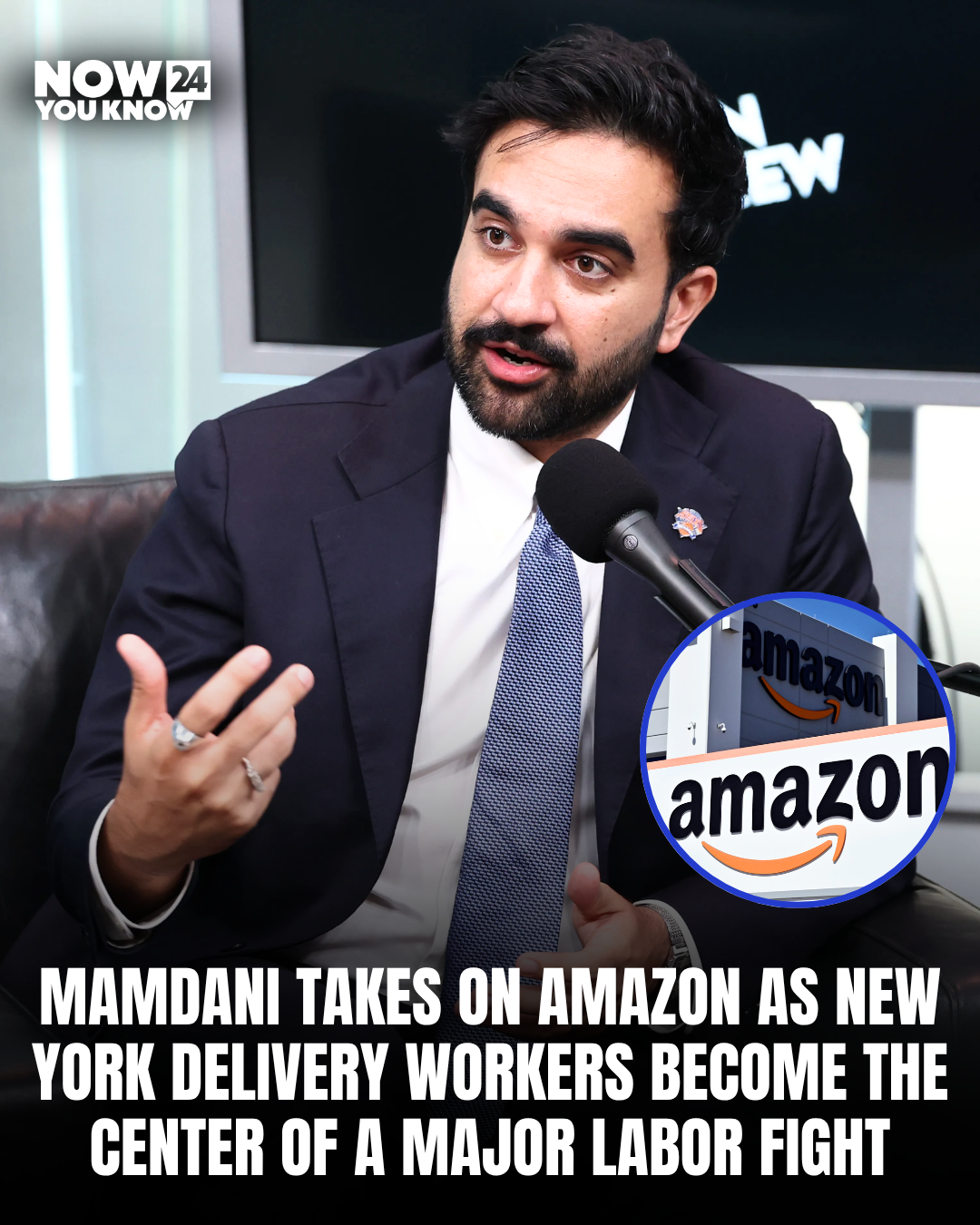

A major fight is taking shape in New York City over who should ultimately be responsible for the workers delivering millions of packages to residents’ doors. Mayor Zohran Mamdani is backing legislation that could force Amazon, FedEx and other major delivery companies to take greater responsibility for their last-mile workers.
The proposed Delivery Protection Act, sponsored by City Council Member Tiffany Cabán, would change how large delivery operations use subcontractors. Supporters argue that companies should not be able to distance themselves from workers’ wages, working conditions and labor rights simply by relying on outside contractors.
Why Amazon Is Fighting Back
Amazon and business groups strongly oppose the proposal. They argue that requiring direct employment would increase operating costs and could ultimately mean higher delivery prices and slower service for New Yorkers.
Amazon has also warned that the legislation could put thousands of jobs at risk and force the company to reconsider where it operates its delivery facilities. The company says many of the workers involved are employed by small local delivery businesses rather than Amazon itself.
Supporters of the bill see the issue differently. They argue that the current subcontracting system allows some of the world’s largest companies to benefit from workers while avoiding responsibilities that would normally come with directly employing them.
The debate is particularly significant because of the sheer scale of New York’s delivery economy. Workers move enormous numbers of packages across the five boroughs, often under pressure to complete hundreds of deliveries in a single day. Speed and convenience for consumers have become central to the business model.
A Test for Mamdani
For Mamdani, the legislation could become one of his first major tests of whether his administration is prepared to confront powerful corporate interests on behalf of lower-paid workers. The mayor has already made labor issues a prominent part of his political agenda.
The Teamsters, which has pushed for the legislation, argues that direct accountability could strengthen workers’ ability to organize and improve working conditions. The union has pointed to delivery workers earning around $20 an hour in New York while advocating for substantially higher wages in organized operations elsewhere.
But some contractors say the political narrative leaves out an important part of the story. They argue that small delivery companies employ the workers, manage their schedules and make hiring decisions, meaning the bill could threaten businesses that have built their operations around contracts with major brands.
That leaves New York facing a complicated question: How much should consumers be willing to pay for faster delivery if improving conditions for the workers behind that service makes it more expensive? The answer could have consequences far beyond Amazon, especially if other cities begin considering similar rules.