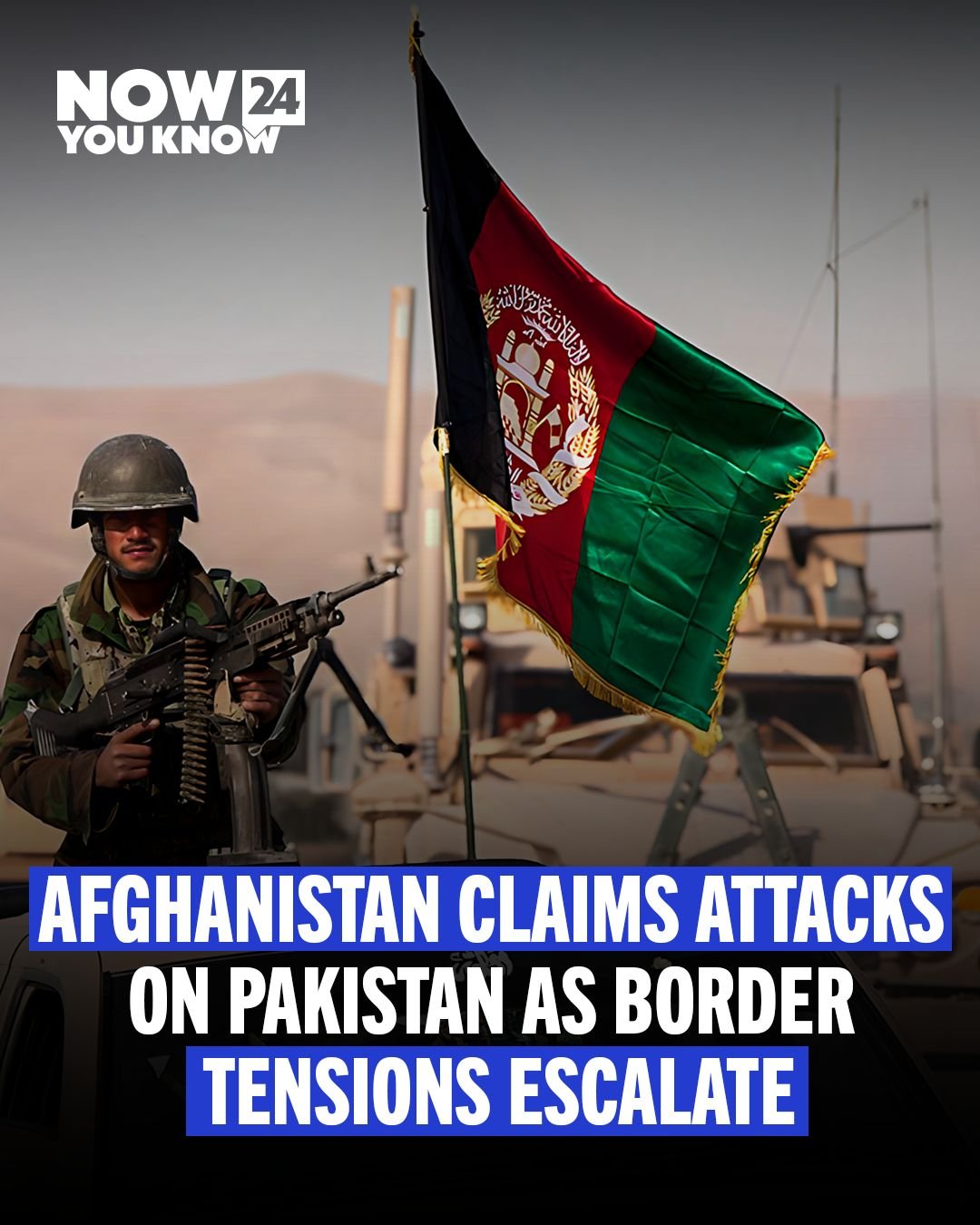

Kabul / Islamabad — Authorities in Afghanistan have claimed responsibility for a recent cross-border attack inside Pakistan, escalating already fragile relations between the neighboring countries. The incident has renewed concerns about regional security, militant activity, and the future of cooperation between Kabul and Islamabad.
What Happened?
According to officials, armed fighters crossed the border and targeted security personnel in a remote area near the Afghanistan–Pakistan frontier. The attack reportedly resulted in casualties among Pakistani forces. Afghan authorities said the operation was conducted against what they described as “hostile elements” operating close to their border.
Pakistani officials strongly condemned the incident, calling it a violation of sovereignty and warning of “serious consequences” if such actions continue. Islamabad has demanded clarification and urged Kabul to prevent militant groups from launching cross-border attacks.
Background of Border Tensions
Tensions between Afghanistan and Pakistan have remained high since the return of the Taliban to power in Kabul in 2021. Pakistan has repeatedly accused Afghan authorities of allowing militants from the Tehrik-i-Taliban Pakistan (TTP) to operate from Afghan territory. The TTP has been responsible for numerous attacks in Pakistan over the past decade.
Afghan leaders, however, deny these allegations and argue that Pakistan’s internal security challenges should not be blamed on Kabul. They have also accused Pakistan of carrying out airstrikes and operations on Afghan soil in previous months.
Regional and Global Concerns
The latest development has raised alarms among regional and international observers. Analysts warn that continued clashes could destabilize the border region, which has historically been difficult to control due to rugged terrain and complex tribal dynamics.
Security experts also highlight that growing mistrust between the two countries could undermine counterterrorism efforts and humanitarian coordination. The border area is home to millions of civilians who already face economic hardship, displacement, and limited access to services.
Diplomatic Efforts and Possible Outcomes
Both sides have indicated that diplomatic channels remain open. Pakistan has called for urgent talks, while Afghan officials have suggested the creation of a joint mechanism to address cross-border security threats.
Observers believe that de-escalation will depend on confidence-building measures, intelligence sharing, and stronger border management. However, without concrete steps, tensions could lead to further confrontations.
Conclusion
The claimed attack marks another chapter in the strained relationship between Afghanistan and Pakistan. As both countries struggle with security and political challenges, the need for dialogue and cooperation remains critical. Regional stability may depend on whether the two governments can move beyond accusations and work toward sustainable solutions.