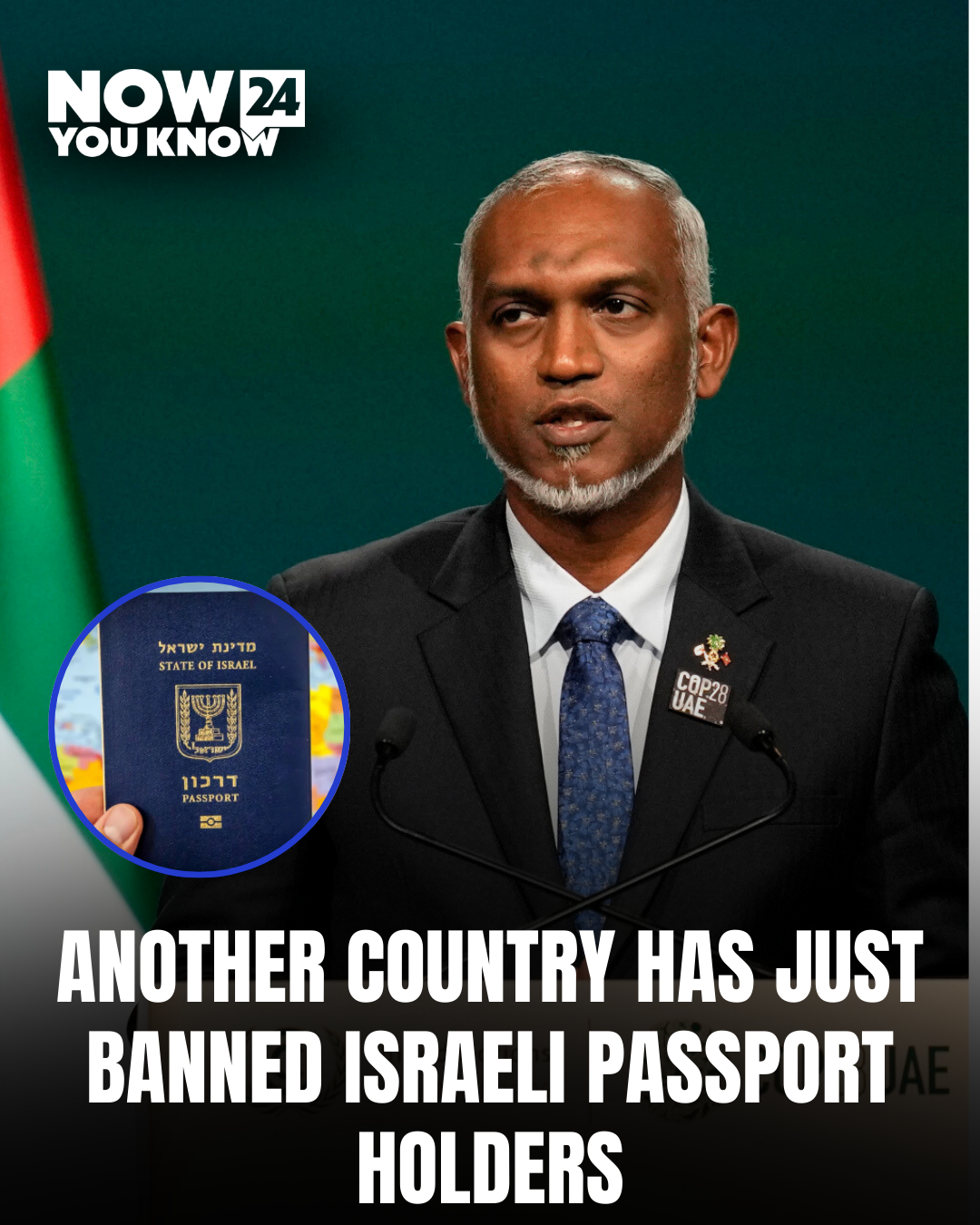

A popular travel destination has made a decision that’s quickly drawing global attention — and raising questions about what could come next.
Maldives has officially moved to ban entry for holders of Israeli passports, becoming the latest country to take such a step.
The decision places it alongside a number of nations — including Iran, Saudi Arabia, Lebanon, and Pakistan — that already restrict entry for Israeli citizens. Many of these policies have been in place for decades.
What makes this move stand out, however, is the Maldives’ global reputation as a luxury tourism hotspot — and its heavy reliance on international visitors.
Tourism accounts for a significant portion of the country’s economy, meaning the decision could have direct financial implications as well as political ones.
Officials said the move reflects solidarity with Palestinians and concerns over the ongoing situation in Gaza. Israel has strongly rejected allegations related to the conflict.
The measure was reportedly approved unanimously, signaling broad political support within the country.
Now, attention is turning to whether other tourism-dependent destinations could take similar steps — especially as geopolitical tensions continue to influence travel policies.
For travelers and the global tourism industry, the development raises new questions about how politics could shape where people are able to go in the future.