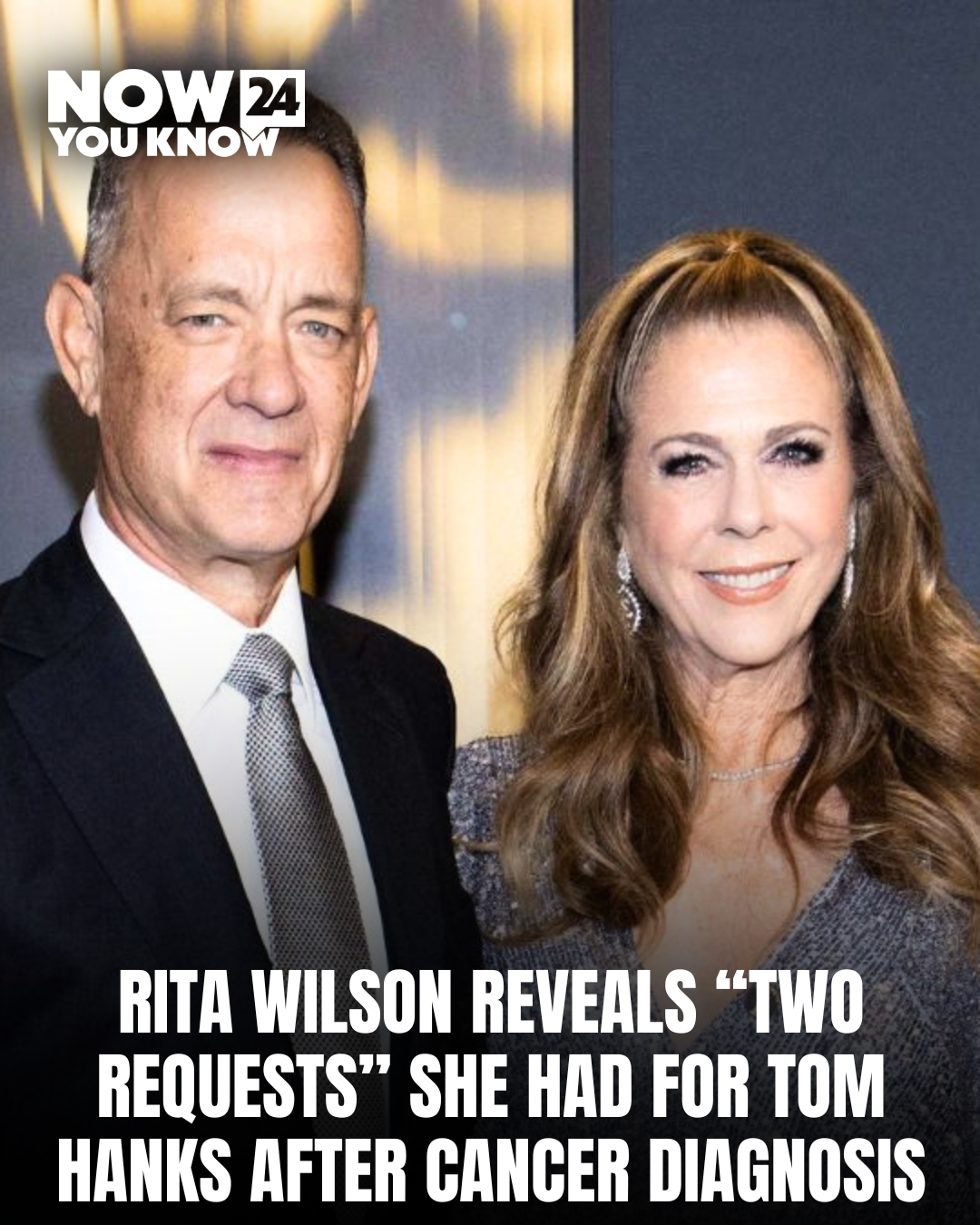

Rita Wilson has shared deeply personal details about the emotional conversations she had with her husband, Tom Hanks, after being diagnosed with breast cancer in 2015. Speaking at a recent event in New York City, she reflected on how the diagnosis changed the way she thought about life, love, and legacy.
Wilson was diagnosed with breast cancer at age 58 and later underwent a double mastectomy and reconstructive surgery. She has since become an advocate for awareness, second opinions, and early detection.
The Two Requests She Made to Tom Hanks
During the conversation, Wilson revealed that she made two heartfelt requests to her husband after receiving her diagnosis. The first was that he should allow himself to be “sad for a very long time” if anything happened to her.
Her second request was that he celebrate her life if she passed, emphasizing joy, storytelling, and remembrance rather than only grief. She described it as a “celebration of life” centered on memories and connection.
Turning Fear Into Art and Perspective
Wilson later transformed her emotional experience into music, including her 2019 song “Throw Me a Party.” She explained that the idea came from reflecting on mortality and imagining how she would want to be remembered.
She said the concept behind the song was shaped by uncertainty after her diagnosis, but also by a desire to focus on gratitude and meaning even during fear.
Her Marriage to Tom Hanks During the Health Battle
Wilson has been married to actor Tom Hanks since 1988. Throughout her treatment, she has previously spoken about the importance of support from her husband and family during the difficult period.
Her public comments suggest that the experience strengthened their bond while also forcing honest conversations about life and loss.
Medical Journey and Diagnosis Details
Wilson has previously explained that her condition was initially monitored through regular screenings before further testing revealed more serious findings. After additional evaluations and second opinions, doctors confirmed invasive lobular carcinoma.
She has repeatedly emphasized that seeking a second medical opinion played a critical role in her diagnosis, encouraging others to advocate for their health.
Life After Recovery and 10-Year Milestone
In March 2025, Wilson marked 10 years cancer-free, describing the milestone as both emotional and deeply meaningful. She credited her medical team, family, and friends for their support throughout her recovery.
She also acknowledged that surviving cancer is not a linear experience, describing it as emotionally complex even after treatment ends.
Advocacy for Awareness and Early Detection
Following her experience, Wilson has spoken publicly about the importance of early detection and medical awareness. She has encouraged people to take persistent symptoms seriously and to seek additional medical opinions when necessary.
Her story continues to be referenced in broader discussions about breast cancer awareness and patient advocacy.