
Experts from the Institute of Human Anatomy have compared the effects of alcohol and cannabis on the human body, explaining how each substance impacts the brain, organs, and long-term health in very different ways.
Using real human cadavers and medical demonstrations, the team broke down how alcohol and THC move through the body and why one may cause significantly more physical damage over time.
How Alcohol and THC Affect the Body Differently
According to the Institute of Human Anatomy, alcohol spreads rapidly throughout the body because it is water-soluble and easily crosses cell membranes.
THC, the psychoactive compound in cannabis, behaves differently because it is fat-soluble. This allows it to accumulate in fatty tissues such as the brain and remain in the system for much longer periods.

Experts explained that smoking cannabis delivers THC to the bloodstream within minutes, while edible forms pass through the liver first, often creating stronger and longer-lasting effects.
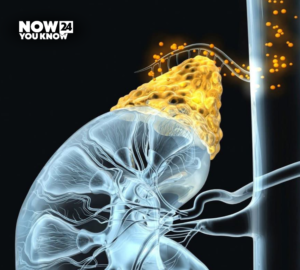
Alcohol Causes More Direct Organ Damage
Jonathan Bennion, Director of Education at the Institute of Human Anatomy, said alcohol tends to cause direct physical damage to organs over time, particularly the liver.
He also noted that alcohol has a well-established connection to several forms of cancer, with organizations such as the World Health Organization stating there is no completely risk-free level of alcohol consumption when it comes to cancer risk.

Cannabis, by comparison, primarily changes how the brain processes information rather than directly damaging organs in the same way, according to the analysis.
Blackouts vs Brain Fog
One major difference highlighted by the experts involved memory and cognition.
Alcohol can suppress the brain’s ability to form new memories entirely, leading to blackouts where people remain conscious and functioning but later remember nothing.
THC, however, tends to distort cognitive processing instead of completely shutting down memory formation. This can lead to brain fog, difficulty concentrating, forgetfulness, and trouble following conversations.
Side Effects Look Very Different
The report outlined several common alcohol-related effects, including poor coordination, impaired judgment, slowed breathing, alcohol poisoning risk, and memory loss.
Cannabis side effects were more commonly linked to anxiety, paranoia, dry mouth, increased appetite, elevated heart rate, and long-term impacts on attention and learning with heavy use.
Experts Say the Risks Are Not Identical
The Institute of Human Anatomy concluded that alcohol generally causes more direct physical harm overall, while cannabis primarily affects cognition and brain function, especially with frequent or heavy use.
Researchers also stressed that the method of cannabis use matters, noting that smoking may carry additional risks that differ from edibles or other forms.
The comparison has sparked debate online as more countries continue to reconsider laws surrounding cannabis use while alcohol remains one of the world’s most socially accepted substances.