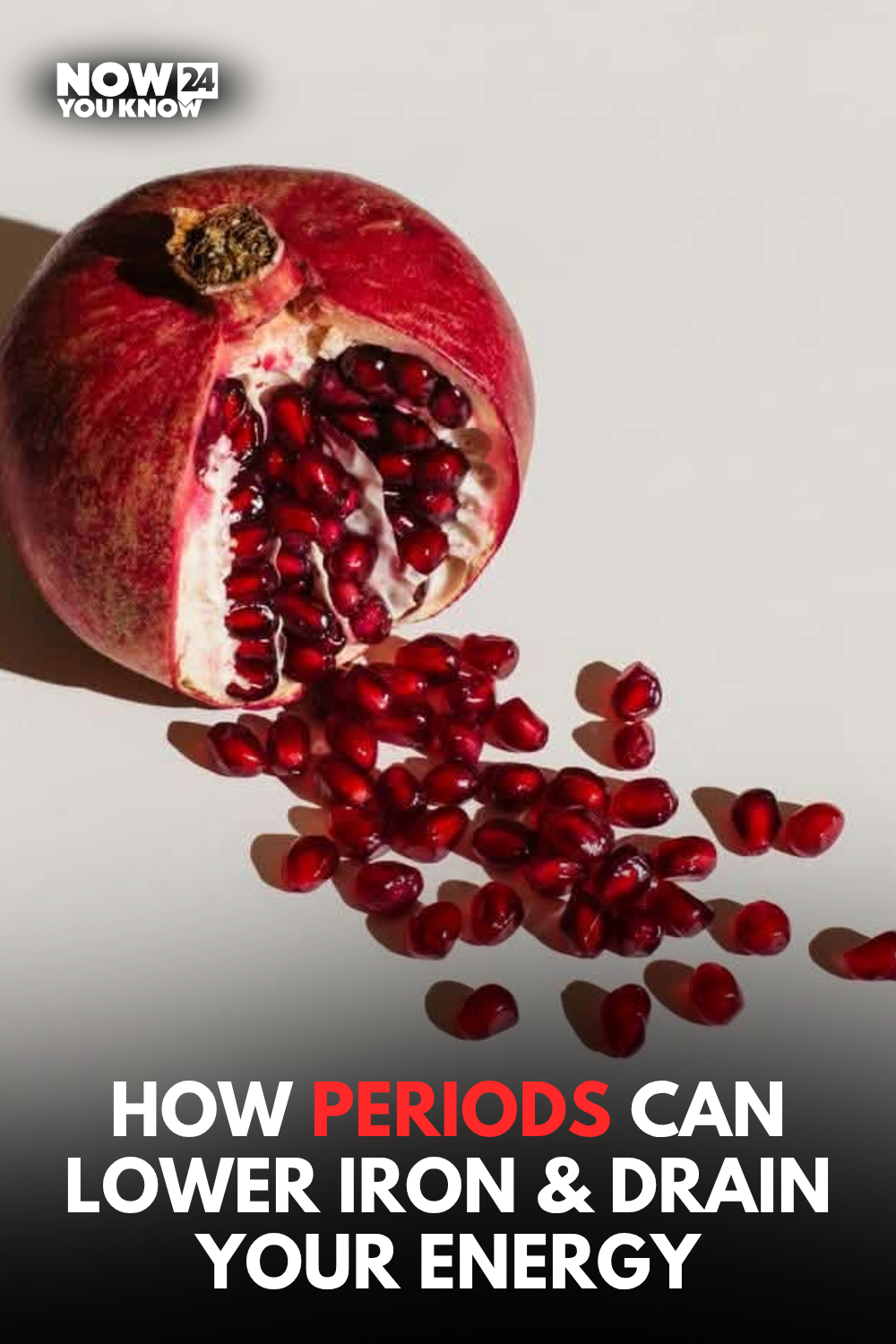

Many women expect cramps, bloating, and mood changes during their period, but persistent fatigue or low energy may have another cause. If your periods are especially heavy, your body may be losing more iron than it can easily replace.
Because iron is found in red blood cells, every menstrual cycle naturally causes some iron loss. While this is normal, heavy or prolonged periods can gradually reduce your iron stores over time, leaving you feeling drained.
A typical period results in about 30 to 60 milliliters of blood loss, though this varies from person to person. If your bleeding is consistently heavy, lasts longer than usual, or you frequently pass large clots, it may be worth discussing with your healthcare provider.
As iron levels drop, some people experience symptoms such as fatigue, dizziness, weakness, shortness of breath, or difficulty concentrating. These symptoms can have many causes, but if they continue beyond your period or interfere with daily life, it’s important to seek medical advice.
Supporting your iron levels starts with a balanced diet. Foods like lean red meat, spinach, lentils, beans, tofu, fortified cereals, and leafy green vegetables are good sources of iron. Pairing iron-rich foods with vitamin C-rich foods, such as oranges, strawberries, or bell peppers, can also help your body absorb iron more effectively.
Your overall lifestyle also plays a role in how you feel during your cycle. Staying hydrated, getting enough sleep, eating regular meals, managing stress, and doing gentle exercise like walking or stretching can help support your energy levels throughout your period.
While supplements may be helpful for some people, they aren’t necessary for everyone and should only be taken after speaking with a healthcare professional. If you have very heavy periods, ongoing fatigue, dizziness, or symptoms that continue to worsen, your doctor can evaluate your iron levels and recommend the most appropriate treatment.
Bottom line: Heavy periods don’t just affect your monthly routine—they can also impact your body’s iron stores and your overall energy. Paying attention to your symptoms, eating a nutrient-rich diet, and seeking medical advice when needed can help you stay healthy and feel your best throughout your cycle.