




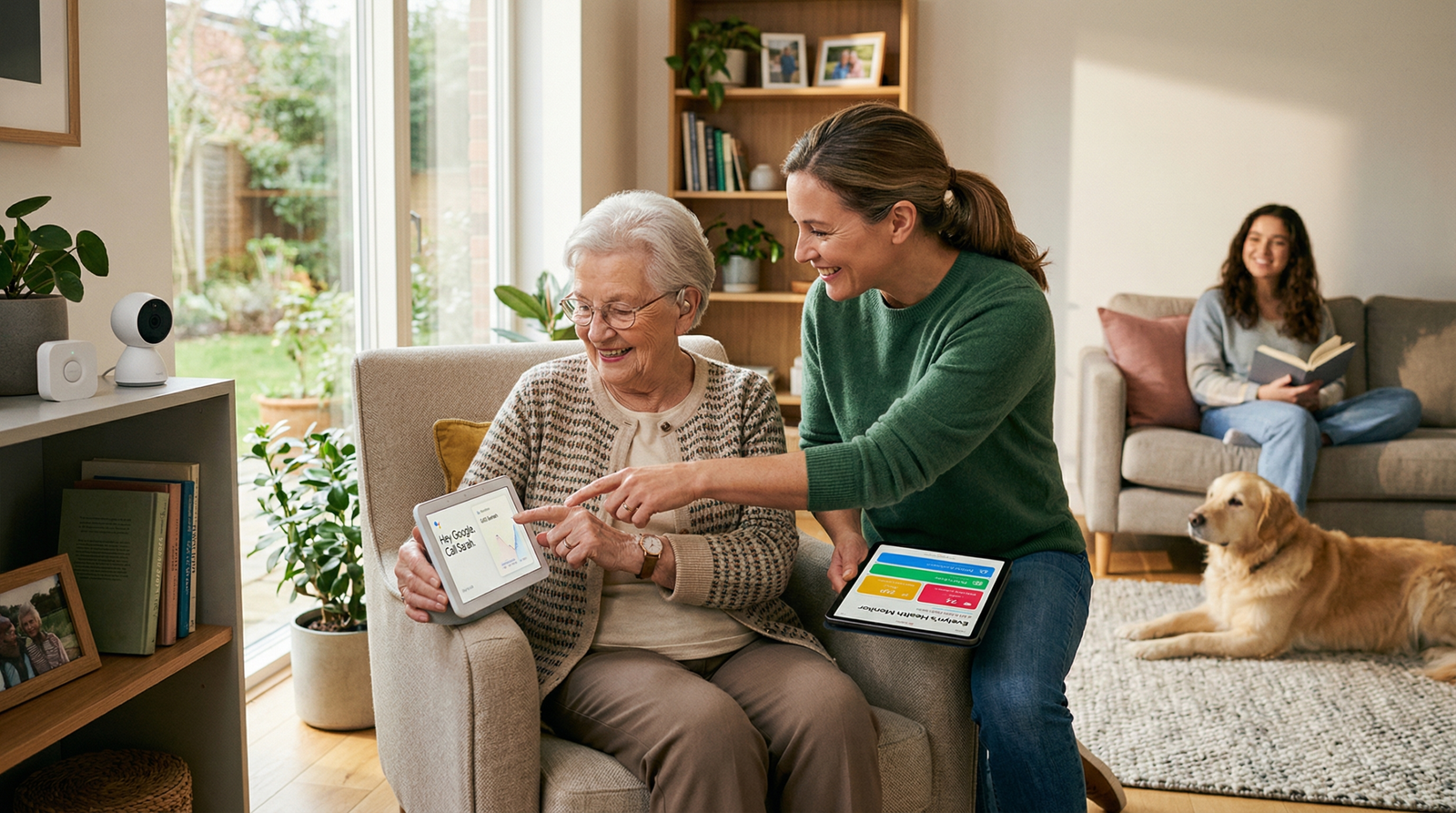

The adoption of technology among older Americans is rising as artificial intelligence (AI) and advanced devices become integrated into the aging and caregiving process. Many seniors and their family members are increasingly relying on innovations such as AI-powered cameras, motion sensors, and robotics to support health and safety. In some cases, AI tools help analyze medical records and provide companionship, while virtual reality (VR) has been introduced in nursing homes to enhance residents’ experiences.
Recent accounts from various age groups reflect a broad engagement with age technology. Adults in their 20s through 50s report purchasing safety and monitoring devices to assist aging parents. Others in their 60s, 70s, and 80s utilize AI chatbots not only to manage health information but also to maintain employment and optimize caregiving strategies for grandchildren.
Additionally, developers have applied specific AI solutions to caregiving challenges, including scheduling systems, AI-enhanced security, and voice recognition software tailored for stroke recovery.
The age tech sector is currently attracting significant venture capital investment, signaling broad confidence in its growth potential. As the population ages and life expectancy continues to rise into the 80s, 90s, and beyond, the demand for technology that supports healthier and longer living expands.
Organizations such as AARP highlight the increasing technology adoption rates among older adults, and experts anticipate exponential growth in this market segment. Future narratives will explore leading companies driving innovation in age tech and examine how these advancements are transforming the experience of aging.
Contributions from individuals and families who utilize these technologies form an important part of understanding this evolution. Readers currently using tech for their own aging journey or caregiving responsibilities are encouraged to share their stories to contribute to ongoing coverage of this developing field.