
Tensions between the United States and Iran remain high as the conflict over the Strait of Hormuz continues, with new reports suggesting Tehran is preparing alternative export routes to avoid the U.S. blockade.
According to live updates, Iran is exploring the use of alternative ports outside the Strait of Hormuz region in an effort to maintain oil and goods exports despite U.S. naval restrictions.
The development comes as the United States maintains a tightened maritime operation in the region, with U.S. forces asserting control over key shipping lanes and increasing inspections of vessels linked to Iranian trade activities.
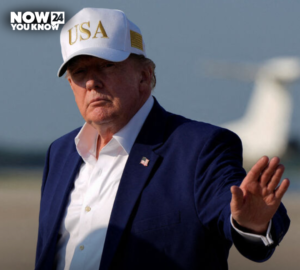
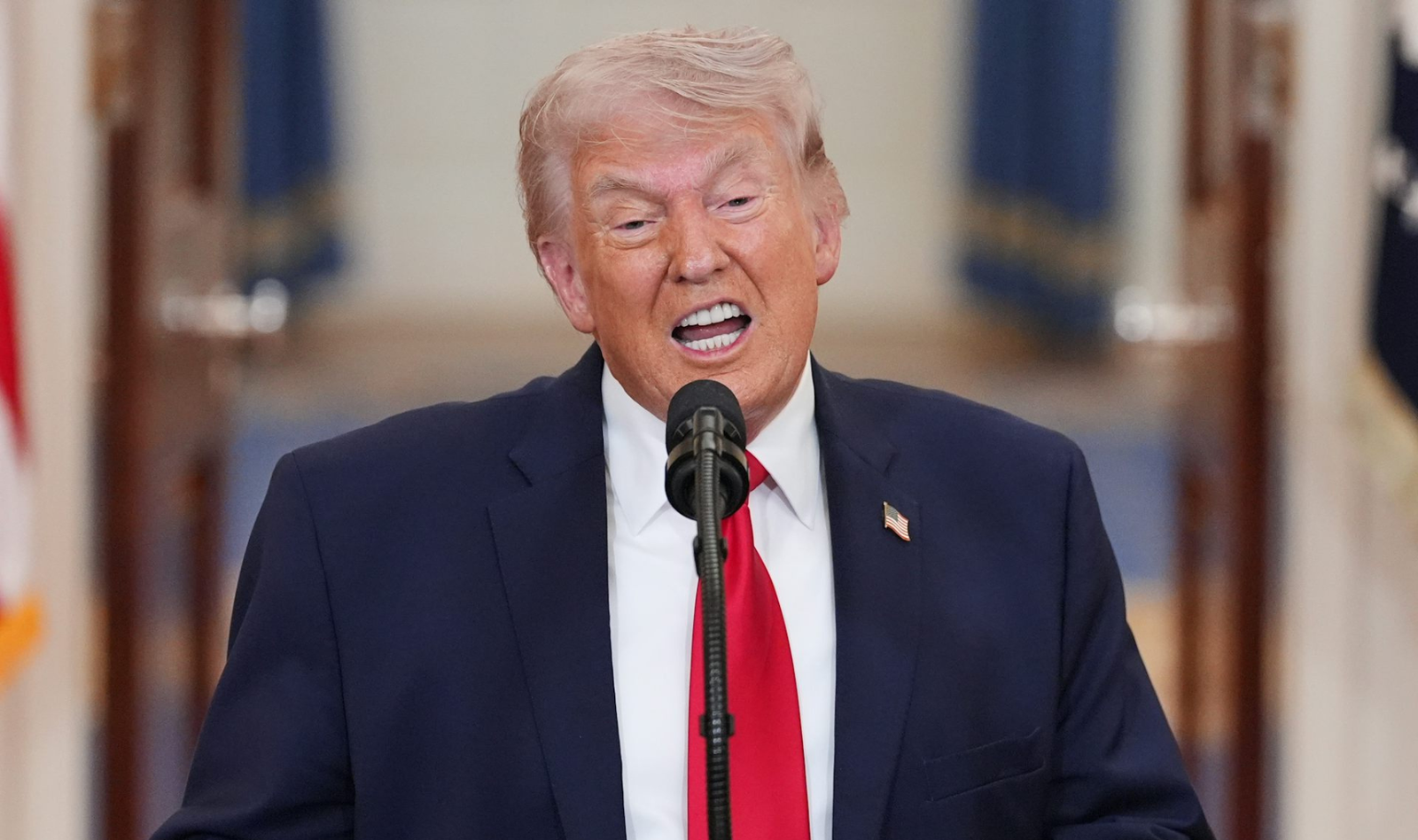
At the same time, President Donald Trump has reiterated that the conflict may be nearing its end, stating that the war is “very close to over” and suggesting that diplomatic progress may still be possible despite ongoing military pressure.
His comments follow a period of intensified U.S. operations aimed at restricting Iranian shipping and reducing its ability to move oil through one of the world’s most critical trade chokepoints.
The Strait of Hormuz remains the central flashpoint in the conflict, with U.S. naval forces enforcing a blockade strategy aimed at limiting Iranian-linked maritime traffic while still allowing neutral commercial shipping under specific conditions.
Recent reports indicate that while some vessels have successfully passed through the region, overall traffic remains significantly below normal levels due to ongoing risks and uncertainty.
Iran, meanwhile, is under increasing economic pressure and has reportedly begun adapting its export strategy by redirecting shipments through alternative coastal routes and ports, though the effectiveness of these measures remains unclear.
The shift reflects Tehran’s attempt to maintain trade flows while avoiding direct confrontation in the heavily militarised Strait of Hormuz corridor.
The wider geopolitical situation continues to evolve, with regional tensions involving Israel, Lebanon, and Gulf states adding additional complexity to the conflict landscape.
International observers warn that any disruption in the Strait of Hormuz could have major consequences for global energy markets, as roughly a significant portion of the world’s oil supply typically passes through the waterway.
Diplomatic efforts are still ongoing behind the scenes, with multiple global actors attempting to prevent further escalation, even as both Washington and Tehran maintain firm public positions.
For now, the situation remains fluid, with signs of both potential de-escalation and continued strategic pressure playing out simultaneously.