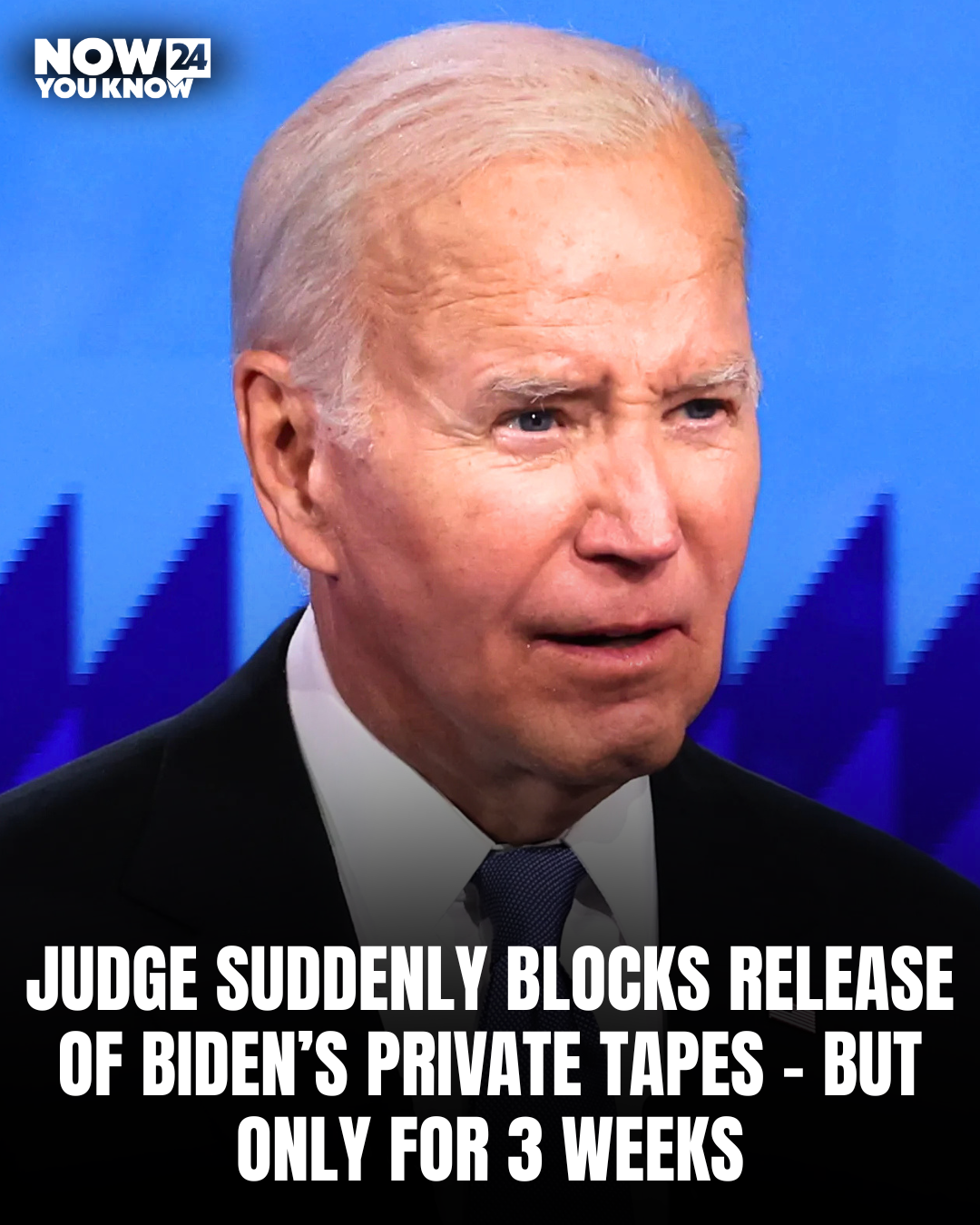

Former President Joe Biden has won a temporary reprieve in his battle to keep private recordings of conversations with his biographer from becoming public.
A federal judge on Friday issued a short-term injunction preventing the Department of Justice from handing over recordings and transcripts of Biden’s conversations with writer Mark Zwonitzer, delaying their release for three weeks while an appeals court considers the matter.
The ruling came after a dramatic day in court. Earlier Friday, U.S. District Judge Dabney Friedrich rejected Biden’s request to permanently stop the release of the materials. However, hours later, she granted a temporary injunction to preserve the status quo while Biden’s legal team pursues an appeal.
The dispute centers on interviews Biden conducted with Zwonitzer in 2016 and 2017 while working on his memoir, Promise Me, Dad.
Why Are the Recordings So Controversial?
The recordings gained national attention after former Special Counsel Robert Hur referenced them in his report investigating Biden’s handling of classified documents.
Hur ultimately declined to bring criminal charges, but his report described Biden’s memory during some of the interviews as slow and at times struggling to recall key events.
Those comments became a major political flashpoint, fueling debate about Biden’s age and mental sharpness during his presidency.
Now, the conservative think tank Heritage Foundation is seeking access to the recordings through a Freedom of Information Act request filed in 2024.
Judge Says Public Interest Is Significant
In her original ruling, Judge Friedrich concluded that Biden’s privacy concerns had been substantially reduced because the Justice Department had heavily redacted sensitive material before any planned release.
The judge argued that the public has a strong interest in records that played a role in a high-profile federal investigation involving a former president.
She noted that the Justice Department relied on portions of the recordings when explaining prosecutorial decisions in Hur’s report, making the material unusually relevant to public understanding of government actions.
Biden’s Legal Team Pushes Back
Biden’s attorneys argue that the conversations were private discussions intended solely for the creation of his memoir and were never meant for public distribution.
They also contend that once the recordings are released, any damage to Biden’s privacy would be irreversible.
In an emergency filing, his lawyers warned that releasing the tapes would permanently alter the status quo before higher courts have a chance to review the case.
The temporary injunction now gives Biden’s legal team three weeks to seek intervention from a federal appeals court.
What Happens Next?
For now, the recordings and transcripts remain under wraps.
The legal battle could have broader implications for how materials gathered during federal investigations are handled, particularly when they involve former presidents and sensitive personal conversations.
Whether the tapes ultimately become public may now depend on how quickly appellate judges act before the three-week window expires.