
Trump Targets Birthright Citizenship Again
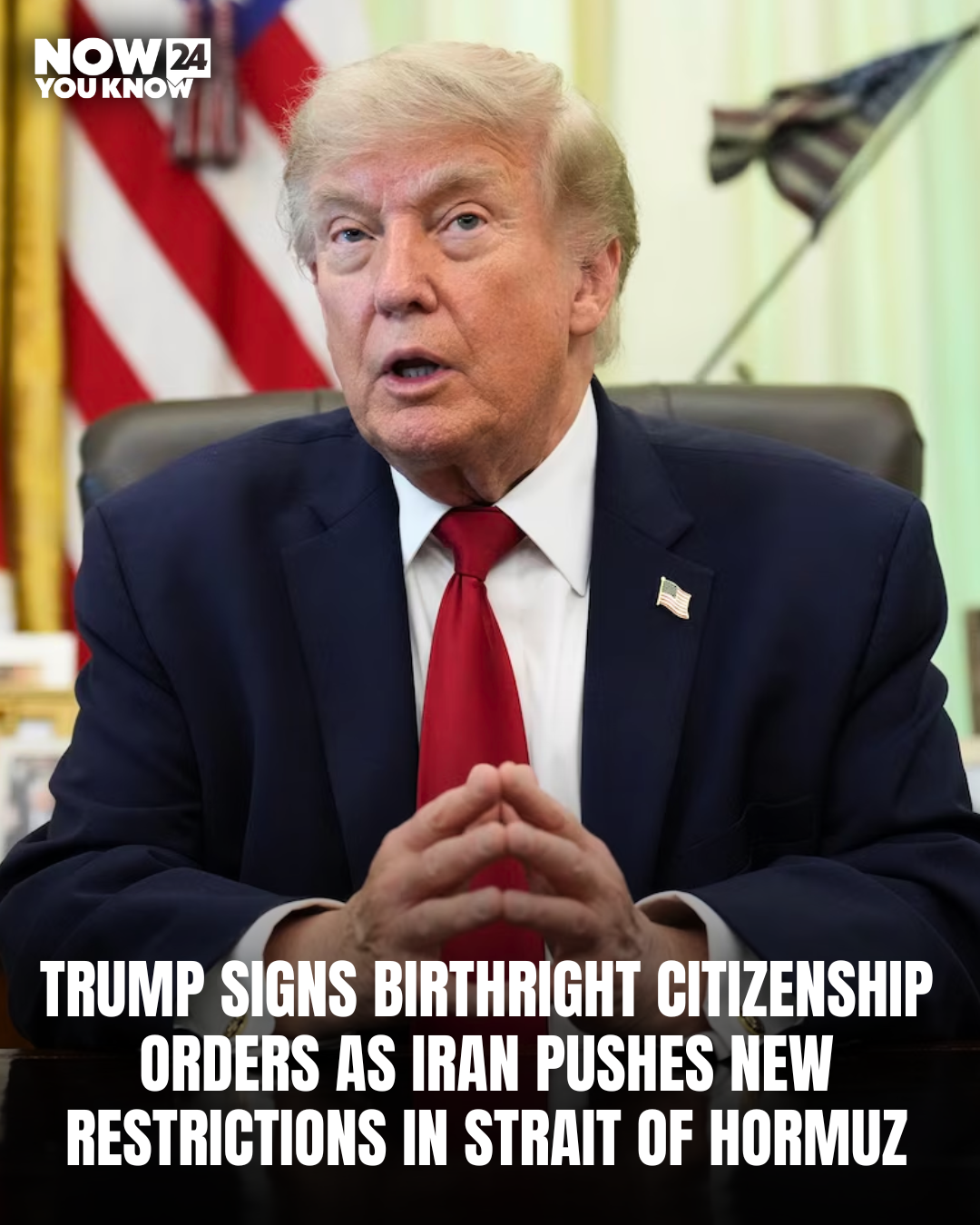
President Donald Trump has signed two executive orders aimed at limiting how birthright citizenship is applied in the United States, renewing one of the administration’s most controversial immigration initiatives.
According to the White House, one order seeks to deny automatic citizenship to children born in the U.S. under certain circumstances, including if their parents are members of designated foreign terrorist organizations or foreign government employees without qualifying diplomatic status. A second order targets so-called “birth tourism” by directing officials to deny visas to applicants believed to be traveling primarily to give birth in the United States.
Legal Challenges Are Expected
The orders are likely to face immediate legal scrutiny. While the 14th Amendment generally guarantees U.S. citizenship to nearly everyone born on American soil, there are already limited exceptions under existing law, such as children of accredited foreign diplomats.
Legal experts expect the new executive actions to be challenged in court over questions about whether a president can narrow constitutional birthright citizenship through executive authority alone.
Birth Tourism Remains a Small Percentage
Federal authorities have investigated businesses that allegedly help foreign nationals travel to the U.S. specifically to give birth. However, available research suggests these cases account for only a small share of births in the United States each year.
Supporters of the new policy argue it closes loopholes in immigration law, while critics say the scale of birth tourism has been overstated.
Iran Proposes New Strait of Hormuz Restrictions
Meanwhile, Iran’s parliament is considering a proposal that could significantly affect shipping through the Strait of Hormuz, one of the world’s most important energy corridors.
According to Iranian officials, the proposal would restrict vessels linked to the United States, Israel, and other countries it considers hostile until compensation demands related to recent military conflict are addressed. Iranian lawmakers have also discussed imposing new transit fees on commercial shipping.
Conflicting Claims Over Negotiations
Iran has said it is working with Oman on a framework involving the strategic waterway. However, U.S. officials have disputed Iran’s description of the negotiations, and Oman has not publicly confirmed the reported agreement.
Analysts say discussions appear to be focused primarily on restoring shipping access rather than broader issues such as Iran’s nuclear program.
Global Attention Remains High
The latest developments underscore two major international flashpoints facing the Trump administration: renewed legal battles over immigration policy and growing tensions in the Middle East.
Both issues are expected to remain closely watched in the coming weeks as courts review the executive orders and negotiations over the Strait of Hormuz continue.