



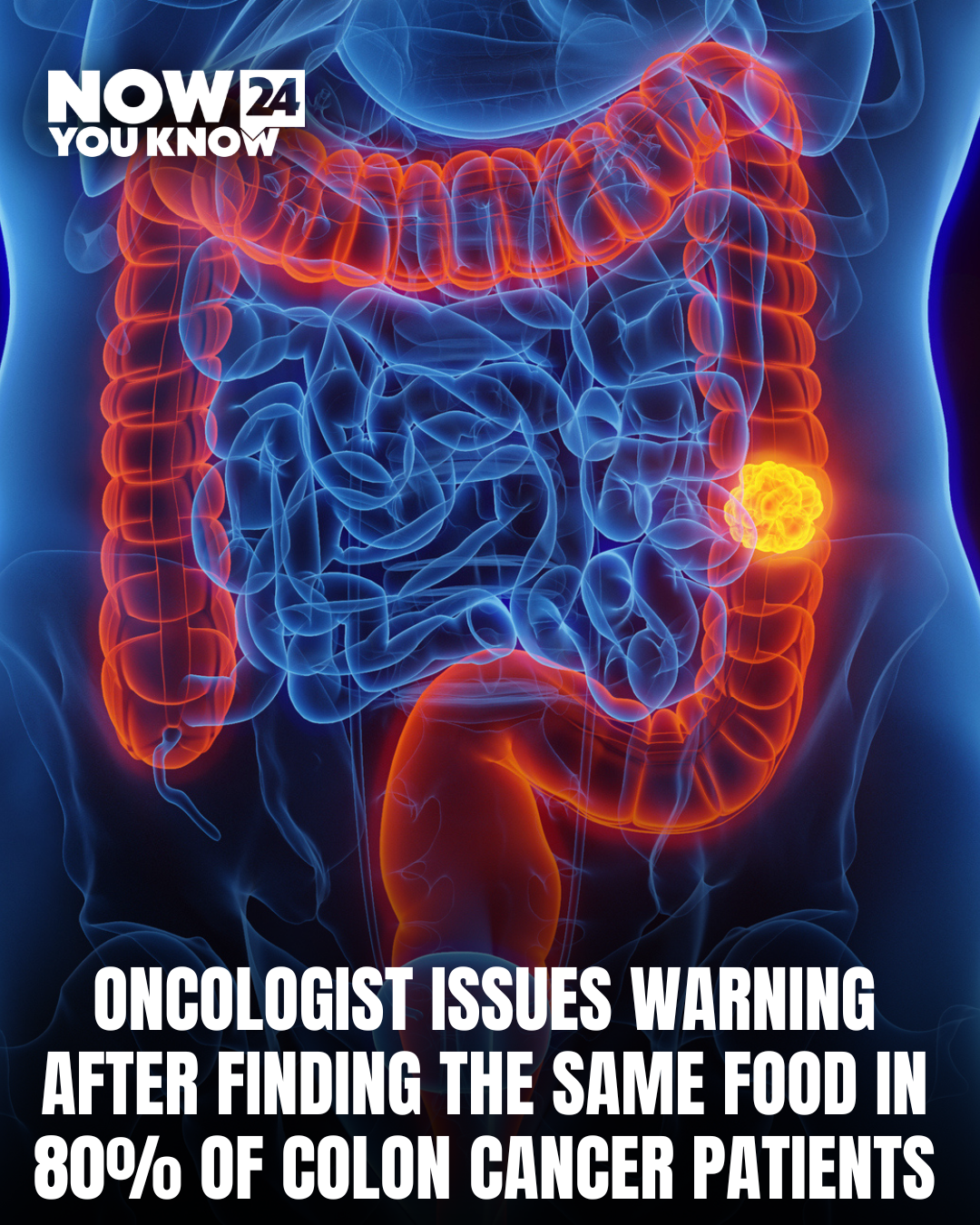

Colon cancer rates have been increasing worldwide, with a noticeable rise among younger people who are otherwise considered healthy. While the exact cause is still being studied, experts widely agree that lifestyle and diet are important contributing factors.
Medical professionals note that bowel cancer is now among the most common cancers in the United Kingdom. One of the challenges in early detection is that symptoms can often resemble less serious digestive issues, which may delay diagnosis.
Processed meat repeatedly observed in patient diets
An oncologist with 17 years of surgical experience reportedly observed a recurring pattern among many colon cancer patients. After surgeries, discussions with families about dietary habits allegedly revealed that a large proportion of patients shared similar eating habits.
According to these observations, processed meats such as sausages, hot dogs, and smoked meats were commonly present in the diets of around 80 percent of patients in question.
What experts say about processed meat and cancer risk
Health experts have long cautioned against frequent consumption of processed meat. Processing methods such as curing, smoking, salting, and chemical preservation can lead to the formation of compounds that may be harmful to human cells.
Dr Tim Spector, a UK-based nutrition expert, has previously explained that certain chemical byproducts formed during meat processing may contribute to biological changes linked to cancer risk. He also noted that studies have shown a measurable increase in colorectal cancer risk with daily consumption of processed meat.
Scientific classification and risk studies
The World Health Organization classifies processed meat as a Group 1 carcinogen. This category also includes substances such as tobacco and asbestos, based on strong evidence that they can contribute to cancer development.
Research cited by health authorities suggests that even moderate daily intake, such as 50 grams of processed meat, may be associated with an increased risk of colorectal cancer. Other studies have found similar risk increases with higher daily consumption levels.
How processed meat may affect the body
Health organizations such as Cancer Research UK explain that nitrates and nitrites used in processed meats can break down in the body into N-nitroso compounds. These compounds may damage the lining of the bowel over time.
This damage is considered one of the potential biological pathways that could increase the risk of colon cancer, particularly with long-term and frequent consumption.
Broader diet concerns and ultra-processed foods
Some researchers also point to broader dietary patterns, especially the rise of ultra-processed foods in modern diets. These foods are increasingly common and may contribute to multiple health issues beyond cancer, including obesity and metabolic disorders.
Experts emphasize that while processed meat is one factor, overall diet quality and lifestyle choices likely play a combined role in long-term health outcomes.
Symptoms of colon cancer to be aware of
According to the NHS, symptoms of colon cancer can include changes in bowel habits, rectal bleeding, persistent abdominal pain, bloating, unexplained weight loss, fatigue, and a feeling of incomplete bowel emptying.
Medical professionals recommend seeking medical advice if these symptoms persist, as early detection significantly improves treatment outcomes.