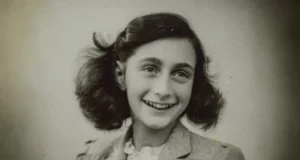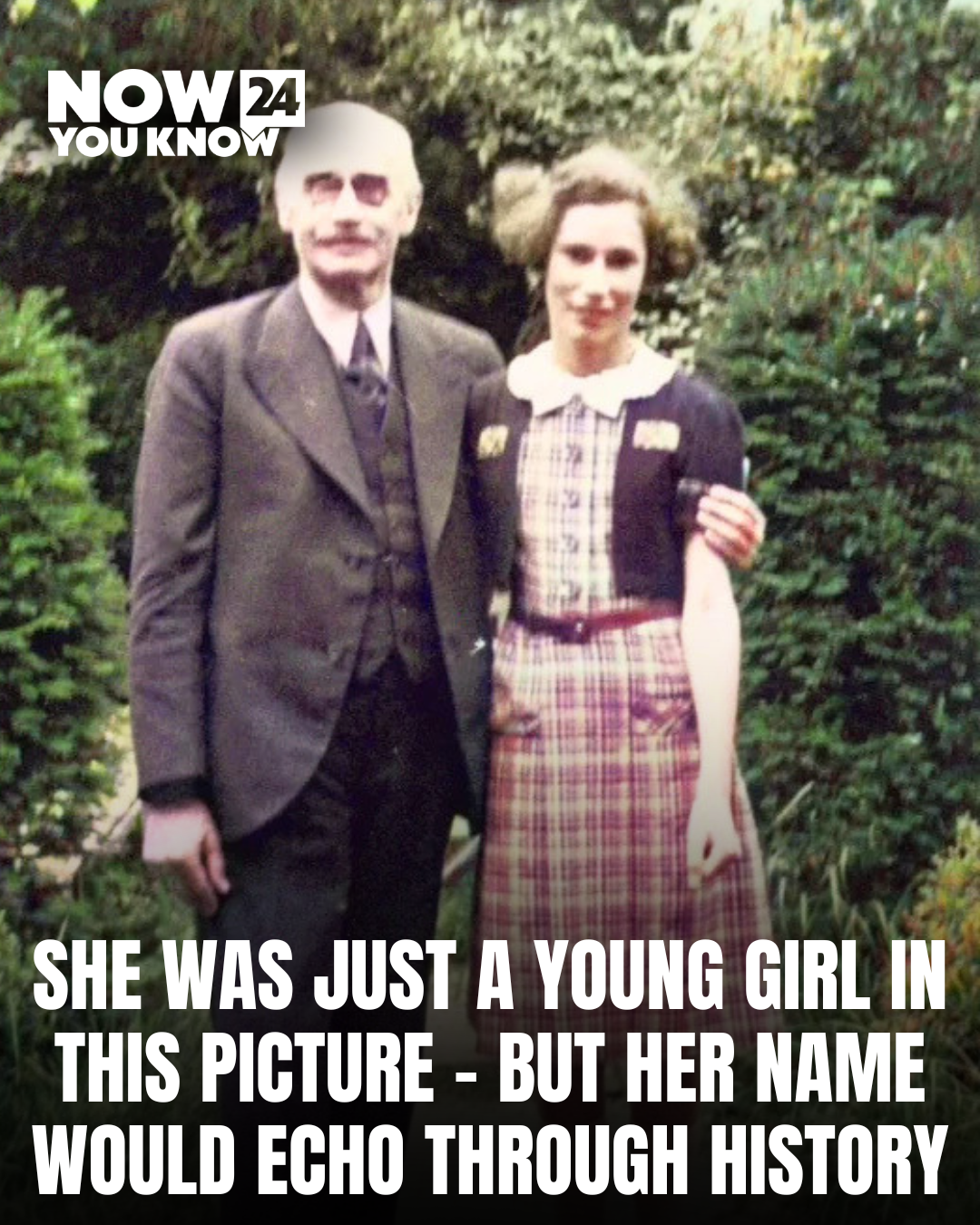

In the photographs, she looks like any other young girl growing up in Europe before World War II.
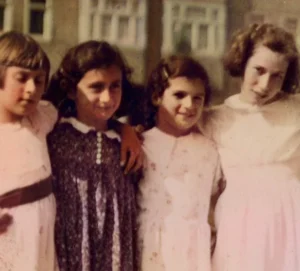
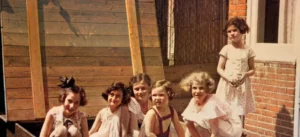
She laughed with friends, posed beside her sister, rode bicycles through Amsterdam, and spent afternoons surrounded by classmates who could never have imagined how history would remember them. The black-and-white images capture ordinary moments of childhood frozen in time long before the world around them collapsed.
A normal childhood before war
The young girl was part of a close-knit group of Jewish friends living in Amsterdam during the 1930s and early 1940s. They attended school together, visited beaches, exchanged photographs, and shared the kind of carefree memories most children expect to carry into adulthood.
Friends later recalled her as energetic, curious, outspoken, and full of life.
In many of the photos now circulating online, she appears smiling beside her older sister Margot or standing shoulder-to-shoulder with childhood friends who would also see their lives forever changed by the Holocaust.
The world changed around her
As Nazi occupation spread across Europe, Jewish families in the Netherlands increasingly faced restrictions, fear, and persecution.
Eventually, the girl and her family went into hiding inside a concealed annex behind a movable bookcase in Amsterdam, where they lived in secrecy for more than two years.
During that time, she began writing detailed diary entries documenting fear, frustration, hope, and dreams for the future without realizing her words would one day become some of the most widely read personal accounts of the Holocaust.
Her diary reached millions
After the family was discovered and arrested in 1944, the teenager was deported through multiple camps during the final year of World War II.
Though she did not survive the war, her writings were later recovered and published by her father, eventually becoming one of the most influential books of the 20th century.
Generations of readers connected deeply with the humanity inside her diary because it captured not only tragedy, but also humor, ambition, love, and the voice of a young girl trying to understand a world collapsing around her.
Photos continue to move people today
Many people online have reacted emotionally to the resurfaced childhood photos because they show a side of history often forgotten: that behind historic events were ordinary children with friendships, routines, and futures they expected to live.
One commenter wrote that the images make the story feel even more heartbreaking because “she should still be here.”
Another described the photos as a reminder that Anne Frank was not born a symbol of history, but a real child whose life was interrupted far too soon.
The girl in the photos
The smiling young girl in those photographs was Anne Frank, whose diary would go on to become one of the most powerful testimonies of the Holocaust ever written.