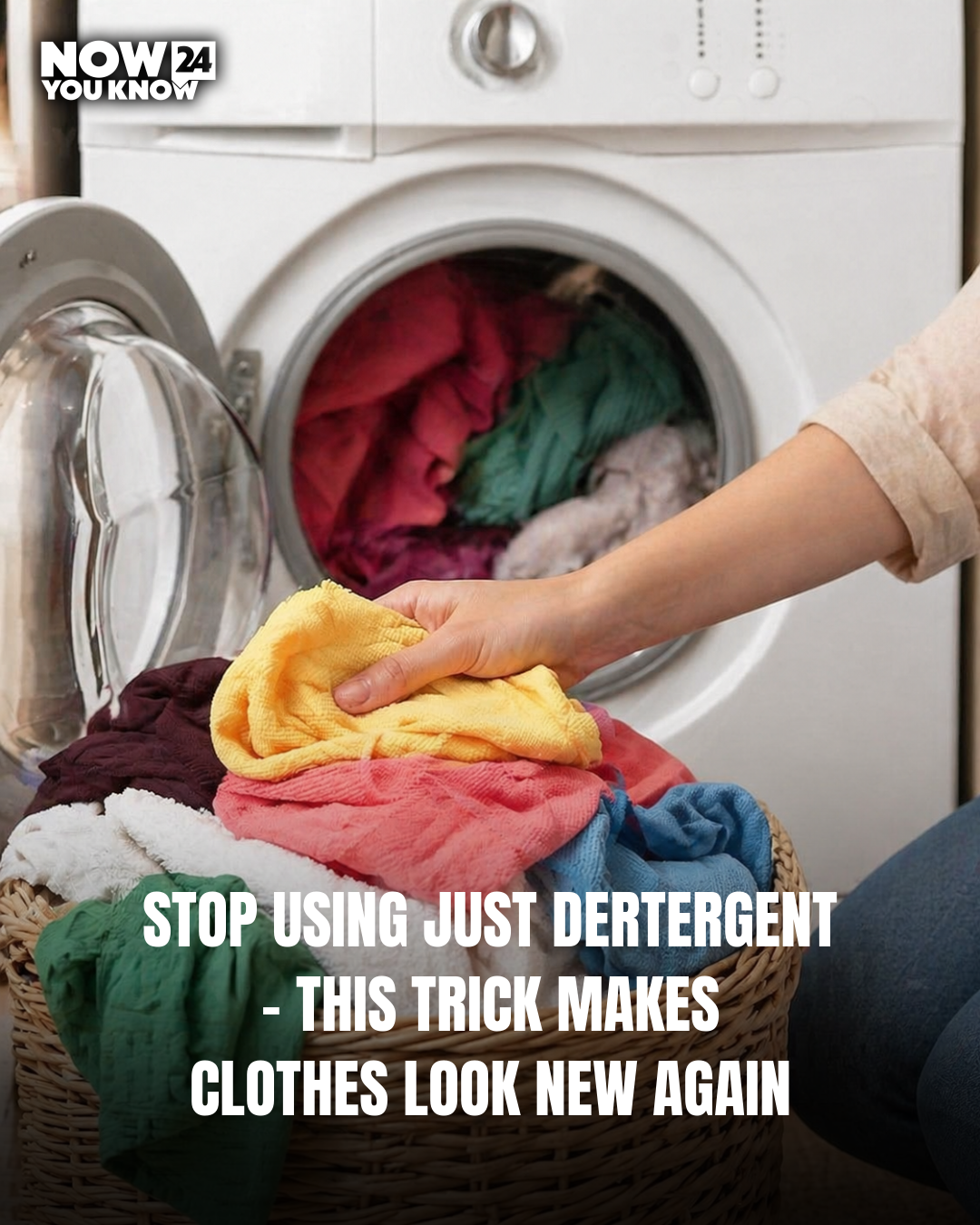

Using more laundry detergent than recommended may seem like a path to cleaner clothes, but textile care experts say the practice often backfires. Excess detergent can leave behind residue that becomes trapped in fabric fibers, gradually making garments appear dull, stiff, and prematurely worn.
The issue affects millions of households. According to laundry science researchers, most washing machines use less water than older models, which means detergent does not always rinse out completely during a standard cycle. When soap residue accumulates over multiple washes, it can attract dirt, create buildup on fabric surfaces, and even contribute to unpleasant odors despite regular cleaning.
What Happens When You Use Too Much Detergent
Laundry detergent contains surfactants designed to lift dirt and oils from fabric. When you use more than the manufacturer’s recommended amount, those surfactants do not fully dissolve or rinse away. Instead, they cling to clothing fibers.
Over time, this detergent residue on clothes creates several problems. Fabrics may feel stiff or scratchy against the skin. White or light-colored garments can develop a grayish or yellowish tint. Dark colors may appear faded or chalky. The buildup also traps body oils, sweat, and environmental pollutants, which can lead to persistent musty smells even after washing.
Textile care specialists note that high-efficiency washers, which use significantly less water per load, make the problem worse. These machines require high-efficiency detergent formulated to work with lower water volumes. Using regular detergent or excessive amounts in an HE machine almost guarantees residue issues.
Why Vinegar And Less Detergent Work Better
Experts recommend a counterintuitive fix: use less detergent than the bottle suggests, and add white vinegar during the rinse cycle. Most detergent manufacturers design dosing instructions with a margin that favors product consumption over optimal cleaning.
White vinegar acts as a natural rinse agent. Its mild acidity helps dissolve soap buildup, mineral deposits from hard water, and residue left behind by fabric softeners. A half-cup to one cup of distilled white vinegar added to the rinse cycle can restore softness and brightness without introducing harsh chemicals or synthetic fragrances.
The vinegar smell dissipates completely during drying. Clothes come out softer, colors look more vibrant, and fabrics regain their original texture. For households with sensitive skin or allergies, vinegar offers a hypoallergenic alternative to commercial fabric softeners, which often contain synthetic additives that can irritate skin or trigger respiratory symptoms.
How To Remove Existing Detergent Buildup
If clothes already show signs of detergent residue, a rinse-only cycle can help. Run the washing machine empty or with affected garments on the rinse and spin setting, adding one cup of white vinegar to the drum. This allows water and vinegar to flush out trapped soap without adding new detergent to the mix.
For stubborn buildup, repeat the rinse cycle twice. Some laundry professionals suggest running one hot water rinse followed by a cold water rinse to maximize residue removal. The hot water helps dissolve waxy surfactants, while the cold rinse prevents setting any remaining residue back into the fabric.
Another option involves soaking heavily affected items in a basin of warm water mixed with one cup of vinegar for 30 minutes before running a rinse cycle. This method works especially well for towels, which tend to accumulate more detergent and fabric softener over time due to their thick, absorbent fibers.
Natural Boosters For White And Bright Fabrics
For white clothing that has turned dingy from detergent buildup, baking soda offers a gentle, natural brightening boost. Adding a quarter-cup of baking soda to the wash cycle helps neutralize odors, balance pH levels, and lift residue without the harshness of chlorine bleach.
Baking soda works by softening water, which allows detergent to work more efficiently at lower concentrations. It also acts as a mild abrasive that scrubs away buildup during the wash cycle’s agitation. Unlike bleach, baking soda does not weaken fabric fibers or cause yellowing over time.
Experts caution against using baking soda and vinegar in the same load. While both are effective separately, combining them creates a neutralizing reaction that reduces the cleaning power of each ingredient. Use baking soda in the wash cycle and vinegar in the rinse cycle for best results.
What Laundry Experts Say About Detergent Dosing
Consumer product researchers note that detergent manufacturers have financial incentives to recommend higher doses. Using more detergent means consumers buy replacements more frequently. Independent laundry science studies consistently show that most households can cut detergent use by 25 to 50 percent without sacrificing cleaning performance.
The key is adjusting for water hardness, load size, and soil level. Lightly soiled clothes in soft water require far less detergent than heavily soiled work clothes washed in hard water. Most modern detergents are concentrated formulas designed to work effectively at lower doses.
Experts recommend starting with half the suggested amount and observing results. If clothes come out clean and fresh, there is no need to increase the dose. If they still smell or look dirty, increase detergent gradually by small increments rather than doubling the amount.
Limitations And What You Should Know
While reducing detergent and using vinegar works for most fabrics, certain materials require special care. Delicate fabrics like silk, wool, or specialty athletic wear may need pH-neutral detergents designed for their fiber type. Always check garment care labels before trying new laundry methods.
Vinegar should not be used in every single wash. Overuse on elastic fibers, such as those in activewear or undergarments, may cause gradual deterioration over many months. Laundry experts suggest using vinegar rinses once every few washes or as needed to address specific buildup issues rather than as a standard practice for every load.
Hard water presents additional challenges. Mineral deposits from calcium and magnesium can combine with detergent to create stubborn buildup that vinegar alone may not fully remove. In areas with very hard water, a water softener or detergent formulated for hard water may provide better results.
What Happens Next For Your Laundry Routine
Small changes in detergent use can extend the lifespan of clothing significantly. Fabrics that retain their original texture, color, and softness naturally last longer before showing signs of wear. This reduces textile waste and saves money on wardrobe replacement.
Before discarding garments that look faded, stiff, or dingy, try the rinse-only method with vinegar. Many items that seem worn out are simply suffering from detergent residue buildup. A few targeted rinse cycles may restore them to near-original condition.
For households concerned about laundry costs, environmental impact, or fabric longevity, adjusting detergent use offers measurable benefits. The approach requires no special equipment, uses inexpensive household ingredients, and produces results within one or two wash cycles.
If clothes continue to look dull despite these methods, the issue may involve water quality, machine maintenance, or fabric damage unrelated to detergent. Consulting a textile care professional or checking your washing machine’s manual for maintenance recommendations can help identify other potential causes.