



A new proposal aimed at raising the stakes for the annual Congressional Baseball Game has caught the attention of at least one member of Congress, potentially transforming the charity event into a mechanism for advancing legislative priorities.
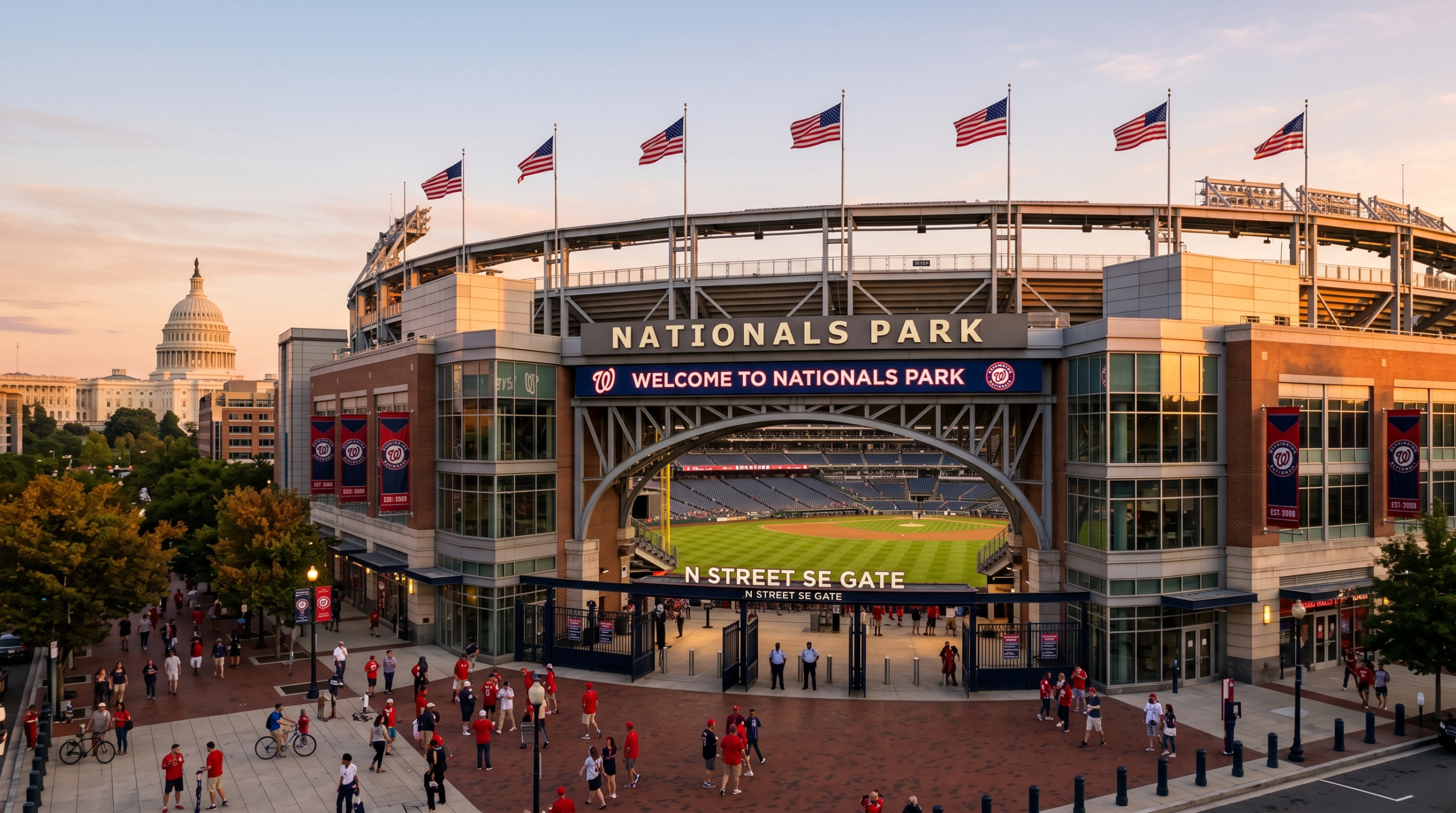
The suggestion, presented to Representative Morgan McGarvey of Kentucky during a recent practice session, would grant the game’s Most Valuable Player the unprecedented ability to pass a single piece of legislation without opposition. The proposal comes as lawmakers prepare for the June 10 matchup at Nationals Park in Washington, D.C.
McGarvey, who was approached while heading to practice, appeared receptive to the unconventional idea, though he expressed some reservations about the potential political implications. The Democratic representative’s hesitation stems partly from his party’s recent performance in the annual contest, where Republicans have dominated in recent years.
The Congressional Baseball Game, a longstanding tradition dating back to 1909, has historically served as a bipartisan charity event where members of Congress from both parties compete while raising funds for various causes. The game typically draws thousands of spectators and generates significant donations for organizations supporting underprivileged youth and other charitable causes.
Under the proposed format change, the competitive dynamics of the game would shift dramatically. Rather than playing solely for bragging rights and charitable contributions, lawmakers would be competing for tangible legislative power. The winning team’s MVP would effectively bypass the traditional legislative process, which typically involves committee hearings, floor debates, and multiple votes.
McGarvey indicated he would discuss the proposal with his congressional colleagues, suggesting there might be broader interest in exploring ways to make the annual event more consequential. The idea represents a radical departure from conventional legislative procedures, where bills must navigate complex parliamentary rules and often face numerous obstacles before becoming law.
The timing of such a proposal is particularly notable given ongoing discussions about congressional productivity and the challenges of passing legislation in an increasingly polarized political environment. Critics of Congress often point to gridlock and the difficulty of advancing even broadly popular measures through the legislative process.
If implemented, the change could potentially increase public interest in the Congressional Baseball Game, transforming it from a lighthearted charity event into a must-watch political spectacle. The prospect of a single baseball game determining legislative outcomes would likely draw unprecedented media attention and viewership.
The June 10 game at Nationals Park will proceed as traditionally planned for now, with Democrats seeking to break their losing streak against their Republican colleagues. However, the conversation about raising the stakes reflects broader questions about how Congress operates and whether unconventional approaches might help break through legislative deadlock.
Whether this proposal gains traction among other members of Congress remains to be seen. The idea would likely require buy-in from leadership in both parties and could face significant procedural and constitutional questions about circumventing the normal legislative process.