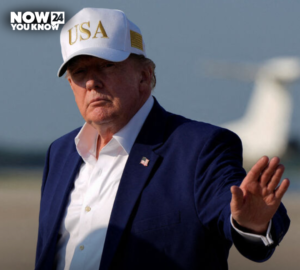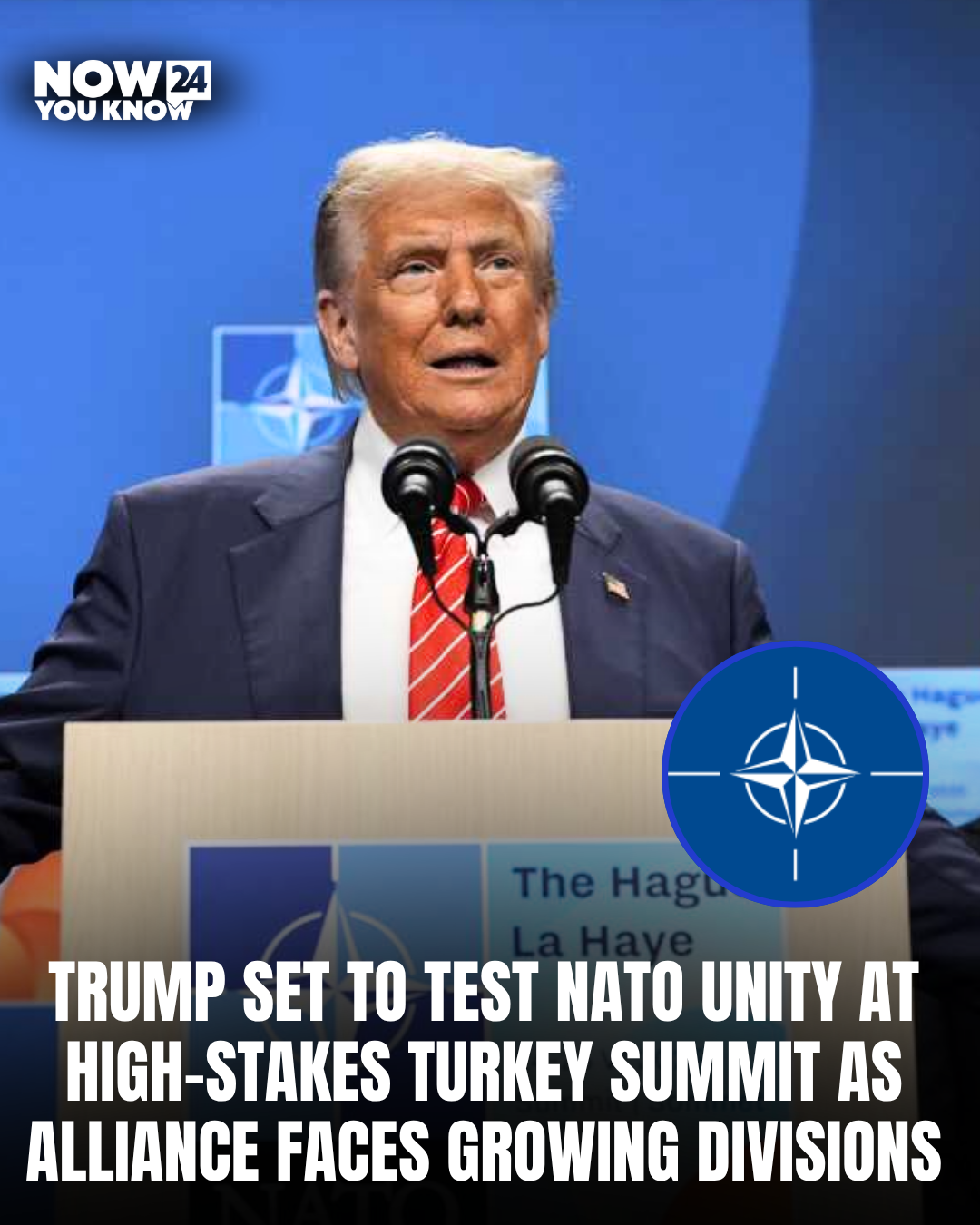

President Donald Trump is set to attend a pivotal NATO summit in Ankara, Türkiye, this week, where leaders from the alliance’s 32 member nations will attempt to project unity despite growing disagreements over defense spending, military commitments, and conflicts in the Middle East.
The July 7-8 summit comes at a sensitive moment, with European allies questioning the future of U.S. involvement in NATO while Russia’s war in Ukraine continues and tensions across the Middle East remain high.
NATO Chief Works to Keep Trump Engaged
NATO Secretary-General Mark Rutte has made maintaining Trump’s support a central priority ahead of the gathering.
During a recent visit to Washington, Rutte praised Trump’s influence on increasing defense spending among NATO members, highlighting what he described as more than $1 trillion in additional military investment by European allies and Canada since Trump’s first presidency.
His message was clear: European nations are responding to Trump’s longstanding demand that allies shoulder a greater share of NATO’s defense burden.
The strategy appears aimed at preventing public disagreements during the summit while reinforcing the alliance’s value to the United States.
Defense Spending Remains a Key Issue
Trump has repeatedly argued that many NATO members rely too heavily on U.S. military protection without contributing enough financially.
His administration has continued pressing European governments to increase defense budgets while reviewing America’s military presence across Europe.
Defense Secretary Pete Hegseth recently warned that Washington would closely evaluate which allies are meeting their commitments, suggesting some countries would “pass with flying colors” while others may fall short.
The review has raised concerns across Europe, where leaders fear any rapid reduction of U.S. forces could leave security gaps at a time of growing geopolitical uncertainty.
Ukraine and Russia Stay High on the Agenda
Support for Ukraine is expected to remain one of the summit’s most important topics.
Reports indicate European NATO members and Canada are preparing new military assistance packages worth tens of billions of dollars to help Ukraine continue defending itself against Russia.
Alliance leaders are also expected to reaffirm Article 5—the collective defense clause stating that an attack on one NATO member is considered an attack on all members.
Maintaining that commitment is viewed by many European governments as essential to preserving NATO’s credibility.
Middle East Tensions Add New Pressure
The summit also follows recent disagreements between the United States and several European allies over military operations involving Iran.
Some NATO members declined to participate directly in U.S. operations, prompting criticism from Trump, who has argued that allies should provide stronger support during international conflicts.
Those differences are expected to remain in the background as leaders meet in Ankara.
A Critical Moment for the Alliance
While officials hope the summit will showcase solidarity, analysts believe the biggest challenge will be avoiding public divisions that could weaken NATO’s deterrence message.
European governments are seeking reassurance that the United States remains committed to the alliance, while Washington continues pushing allies to assume greater responsibility for Europe’s defense.
How Trump approaches discussions in Ankara could shape not only the outcome of the summit but also the future direction of NATO cooperation in the years ahead.