




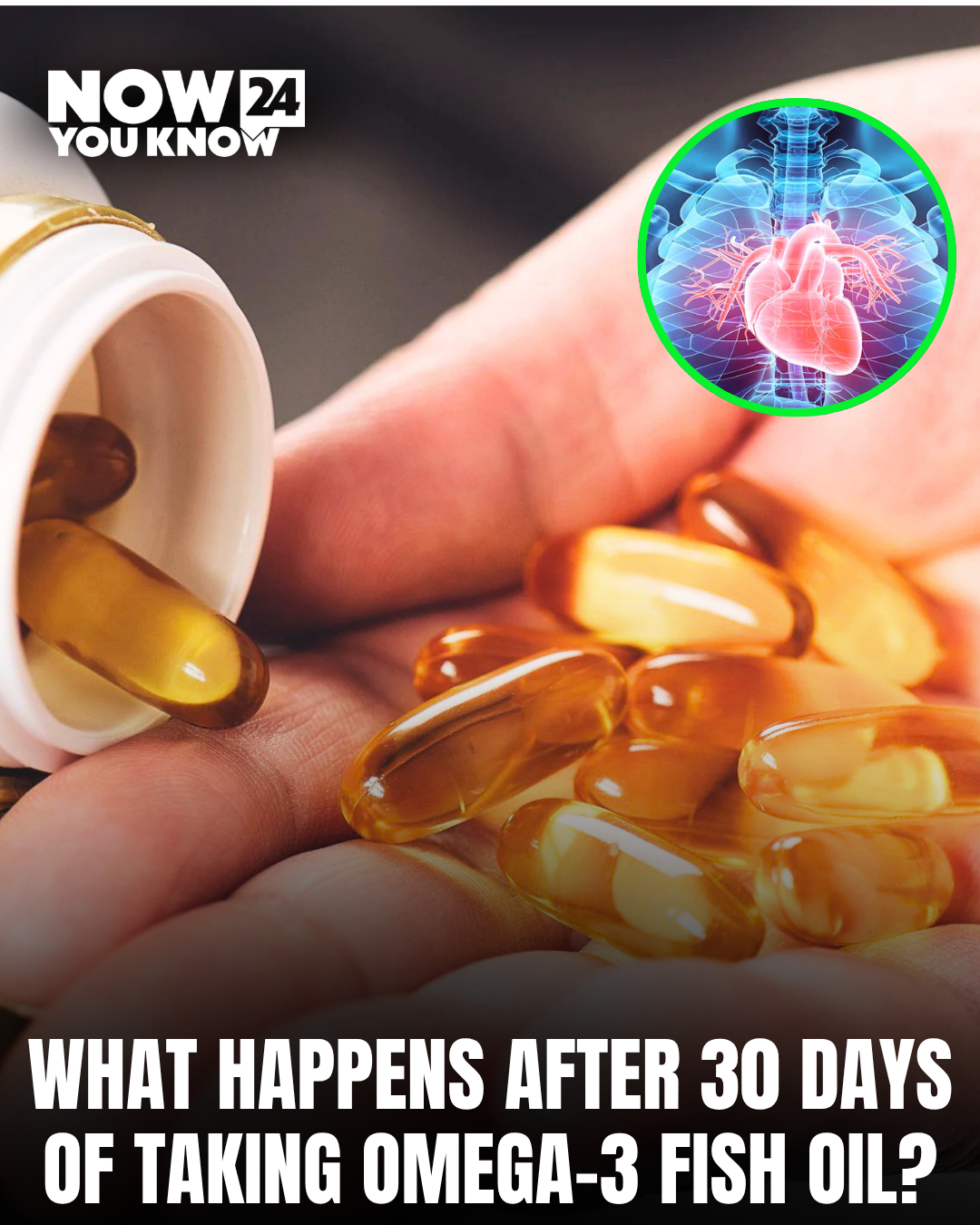

Omega-3 fish oil supplements, taken by millions of people worldwide, are once again in the spotlight as experts highlight both their potential benefits and possible drawbacks.
Omega-3 fatty acids, found in fish oil, are widely known for their role in supporting heart health, brain function, and inflammation control.
Health experts explain that two key components — EPA and DHA — are responsible for most of the benefits associated with these supplements.
EPA is often linked to helping reduce inflammation in the body, which may support conditions such as joint pain and cardiovascular strain.
DHA, on the other hand, plays an important role in brain structure and cognitive function, with research suggesting it may support memory and focus.
Some studies also suggest omega-3 intake may help improve symptoms such as dry eyes, skin irritation, and general inflammation-related conditions.
However, experts stress that results vary depending on dosage, diet, and individual health conditions, and not all studies show strong long-term effects from supplements alone.
Despite their popularity, fish oil supplements are not risk-free.
Research has suggested that in some cases, omega-3 supplements may be linked to an increased risk of irregular heart rhythms such as atrial fibrillation, particularly in people without existing heart conditions.
Other reported side effects include fishy aftertaste, digestive discomfort, and potential interactions with blood-thinning medications.
Experts also caution that very high doses of omega-3 could increase the risk of bleeding complications, although this is generally rare at normal supplement levels.
Nutrition specialists generally recommend getting omega-3s from a balanced diet that includes oily fish such as salmon, mackerel, and sardines, with supplements used only when necessary.
The NHS and other health bodies typically suggest 250–500 mg of combined EPA and DHA per day for most adults, depending on dietary intake.
Overall, while omega-3 fish oil can play a useful role in supporting health, experts say it should be viewed as a supplement to diet — not a replacement for it.