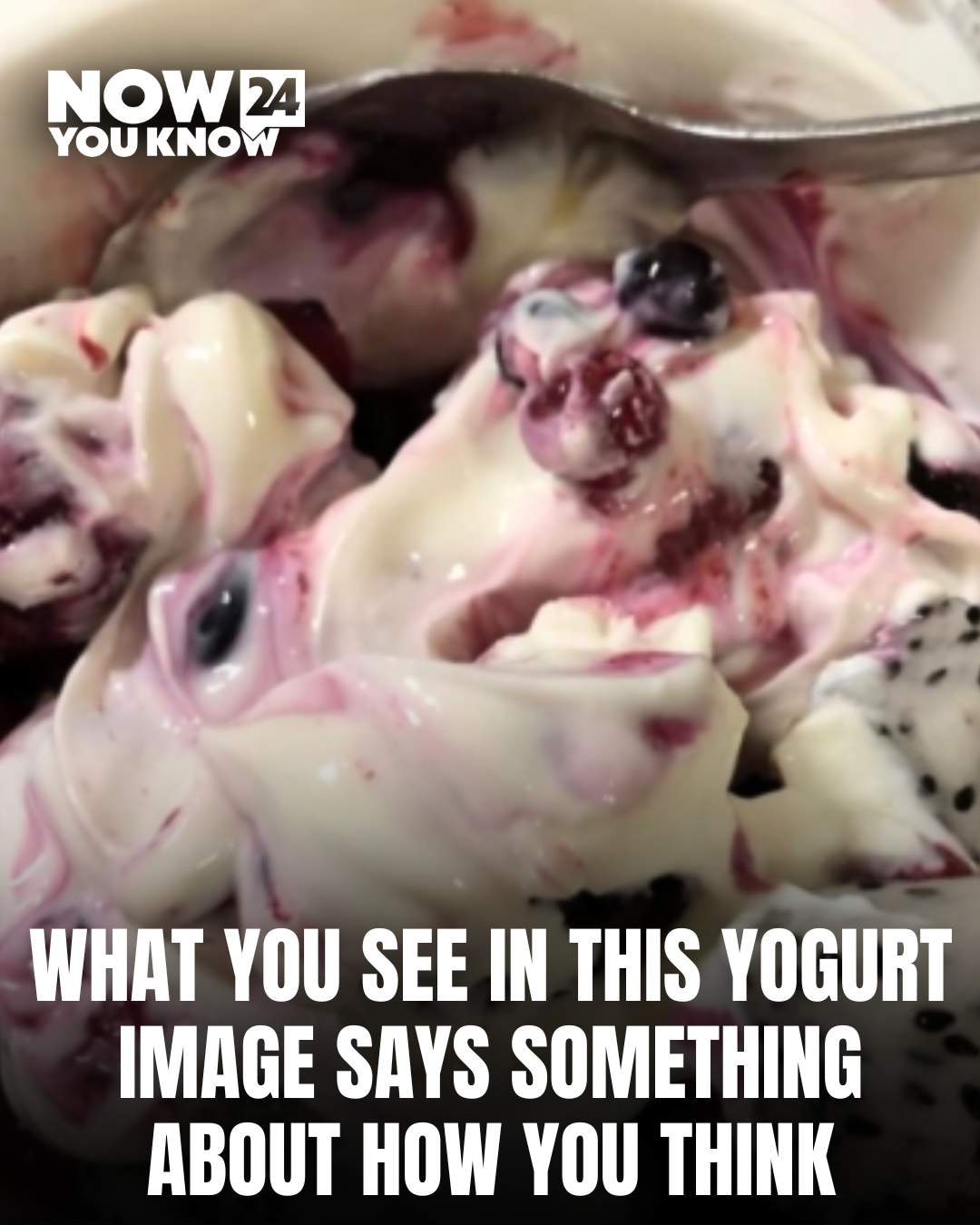

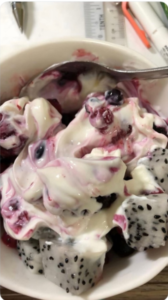
A strange optical illusion is making waves online after a close-up photo of a spoonful of yogurt left social media users divided over what they are actually seeing.
The image asks a simple question: do you see a rabbit or a kitten?
What started as a lighthearted post quickly turned into a viral debate, with thousands of users insisting their interpretation is the correct one.
The Rabbit vs Kitten Divide
Many viewers say the yogurt resembles a small animal face.
Some insist it looks like a rabbit, pointing to what they interpret as long ears and a rounded face. Others strongly disagree, saying it looks more like a kitten with soft facial features and a small nose.
The disagreement has fueled endless comment-section debates, with users zooming in and re-examining the image from different angles.
A Third Interpretation and a Viral Twist
Just when the debate seemed limited to two options, a third group of users added a surprising twist.
Some claim the image does not look like either animal, but instead resembles Sid the sloth from Ice Age, turning the illusion into an even bigger talking point.
At the same time, a viral claim circulating online suggests that perception may depend on “which side of the brain” a person uses, with some posts saying right-brain users see a kitten while left-brain users see a rabbit.
However, this idea is not supported by neuroscience and is widely considered a myth, as both hemispheres of the brain work together in visual processing.
Why People See Different Things
Optical illusions like this work because the brain tries to interpret vague shapes using familiar patterns.
When details are unclear, the mind fills in gaps based on memory and imagination. This is why different people can look at the same image and see completely different objects.
The creamy texture and abstract form of yogurt make it especially prone to these kinds of visual misinterpretations.
Social Media Reaction Keeps Growing
The image continues to spread as users challenge friends and family to share what they see first.
Many describe the illusion as a fun test of perception, while others enjoy debating the “correct” answer.
As with most viral illusions, the entertainment comes from the disagreement rather than the image itself.