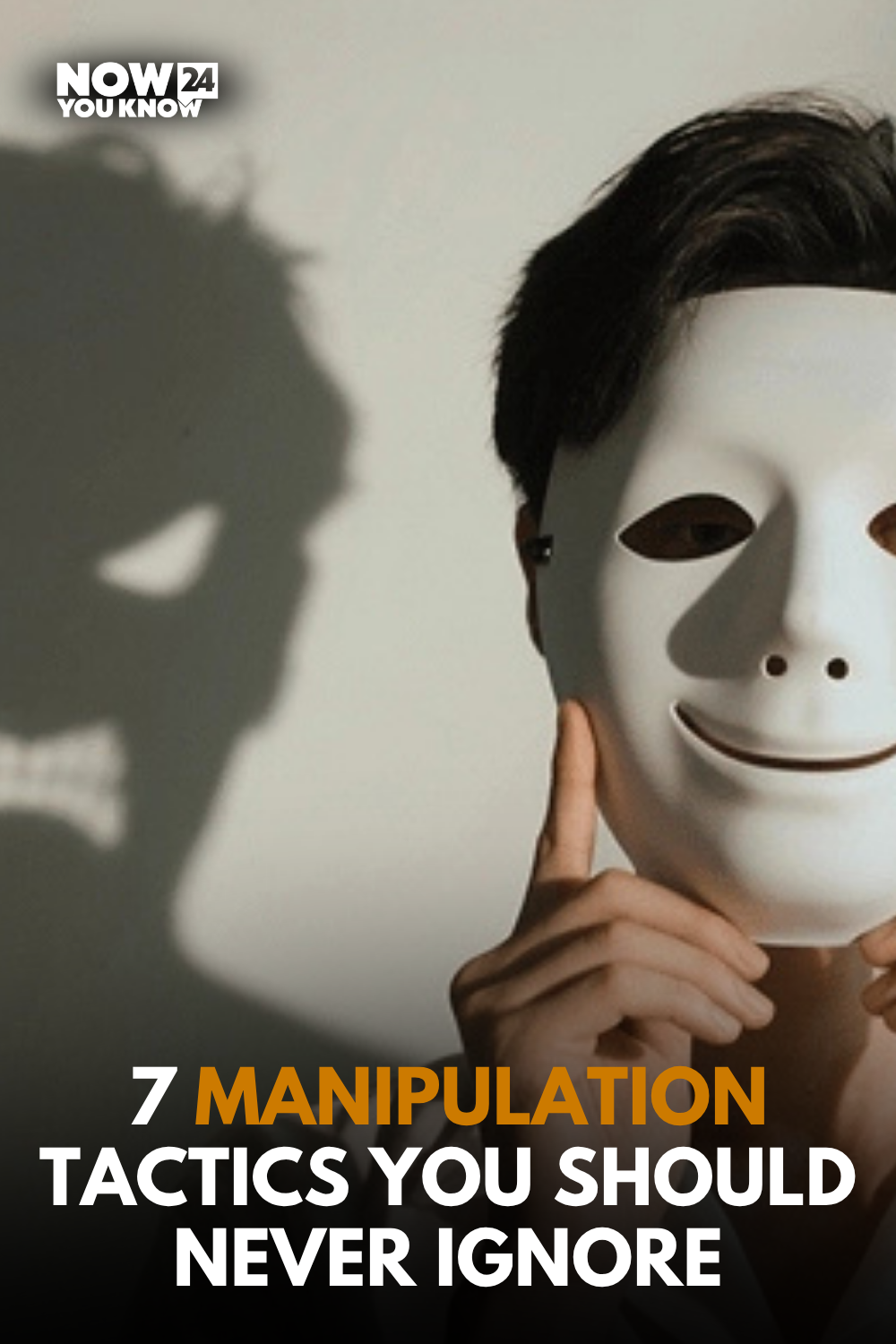

Most people imagine manipulation as something obvious—a scam artist asking for money, a cult leader controlling followers, or a criminal running an elaborate con.
The reality is far more unsettling.
Manipulation often arrives quietly. It can sound like concern, look like affection, or feel like friendship. It rarely announces itself. Instead, it works by exploiting normal human instincts: trust, empathy, loyalty, and the desire to belong.
Psychologists sometimes refer to these darker forms of influence as “dark psychology”—the use of psychological principles to deceive, control, or influence others for personal gain.
While the term has become popular online, the tactics themselves are anything but new.
What Is Dark Psychology?
At its core, dark psychology involves using an understanding of human behavior to manipulate others.
The same psychological tools that can help build trust, strengthen relationships, or inspire positive change can also be used unethically.
The difference often comes down to intent.
Healthy influence respects a person’s ability to make informed decisions. Manipulation seeks to guide those decisions without the person realizing what’s happening.
And it happens more often than many people think.
1. Gaslighting
Gaslighting is one of the most well-known manipulation tactics because it attacks something fundamental: your confidence in your own reality.
A gaslighter may deny things they previously said, rewrite events, or insist that you’re being overly sensitive or forgetful.
Over time, the goal is to make the other person question their memory, judgment, and perceptions.
The more uncertain someone becomes, the easier they can be controlled.
2. Love Bombing
At first, love bombing can feel like a dream.
Someone showers you with attention, affection, gifts, compliments, and constant communication. The connection feels intense and almost too good to be true.
Often, that’s because it is.
In some cases, the overwhelming affection is designed to create emotional dependency quickly. Once the attachment forms, the attention may be reduced or withheld, leaving the recipient chasing the approval they once received so freely.
3. Guilt as a Weapon
Manipulation doesn’t always involve lies.
Sometimes it involves making someone feel responsible for emotions that aren’t theirs to carry.
A manipulative friend, partner, or coworker may constantly frame themselves as the victim, making others feel obligated to solve their problems or meet their demands.
The result is often compliance fueled by guilt rather than genuine willingness.
4. Isolation
One of the oldest manipulation techniques is cutting people off from alternative perspectives.
This doesn’t always happen dramatically.
Sometimes it begins with subtle criticism of friends, family members, or colleagues. Other times, it takes the form of encouraging dependence while discouraging outside relationships.
Without trusted outside opinions, it becomes easier for a manipulator’s version of reality to take hold.
5. Creating Artificial Scarcity
Why do limited-time offers seem so appealing?
Why do people suddenly want something once they think they might lose it?
Manipulators understand that scarcity creates urgency.
Whether it’s a salesperson, influencer, employer, or romantic partner, suggesting that an opportunity may disappear can pressure people into making decisions they might not otherwise make.
6. Digital Manipulation
Modern technology has created entirely new ways to influence behavior.
Social media platforms, online scammers, and even some marketing campaigns use psychological triggers designed to capture attention and shape decisions.
Outrage, fear, excitement, and validation are powerful emotional drivers. The more effectively these emotions are triggered, the longer people engage.
Many experts argue that understanding digital manipulation is becoming just as important as recognizing manipulation in face-to-face relationships.
7. Reframing the Narrative
One of the most sophisticated manipulation tactics involves controlling how a situation is interpreted.
Rather than changing facts, manipulators change the story around those facts.
Mistakes become misunderstandings. Criticism becomes jealousy. Harmful behavior becomes an act of love or concern.
By changing the narrative, they influence how others perceive reality without necessarily changing reality itself.
Why These Tactics Work
Manipulation succeeds because it exploits qualities that are normally strengths.
Trust helps us build relationships.
Empathy helps us support others.
Optimism allows us to see the best in people.
The very traits that make human connection possible can also make people vulnerable to those willing to exploit them.
How to Protect Yourself
Recognizing manipulation doesn’t require becoming suspicious of everyone around you.
Instead, experts often recommend paying attention to patterns.
Ask yourself:
- Do I frequently leave interactions feeling confused or guilty?
- Does this person respect my boundaries?
- Am I being encouraged to disconnect from people I trust?
- Are my choices being respected, or subtly controlled?
The earlier these questions are asked, the easier it becomes to identify unhealthy dynamics before they become deeply rooted.
The Most Important Lesson
Dark psychology isn’t really about secret mind-control techniques or hidden tricks known only to experts.
It’s about understanding how influence works—and how easily it can cross the line into manipulation.
The more aware people become of these tactics, the harder they are to exploit.
Because in many cases, manipulation loses much of its power the moment it’s recognized.