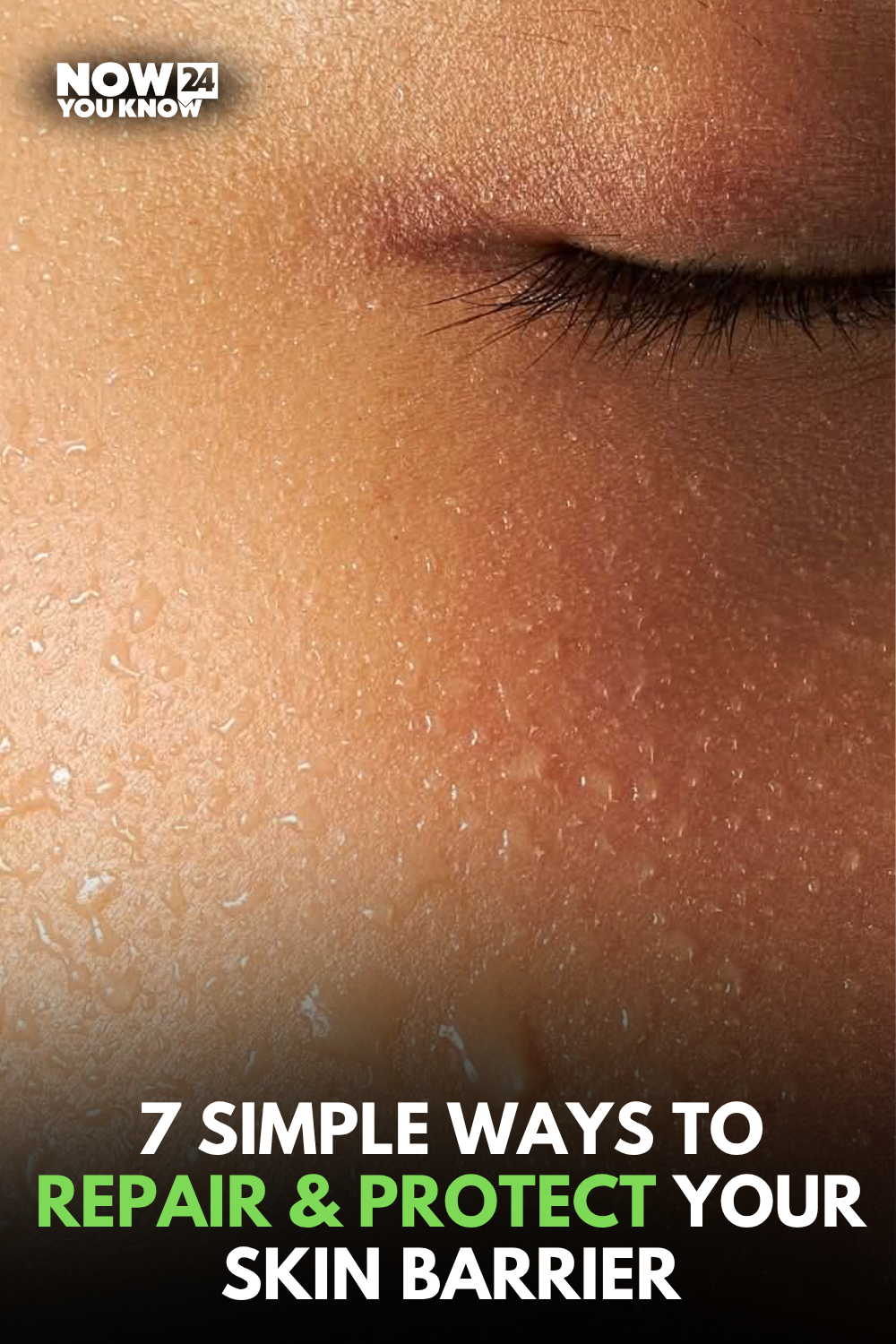

Your skin does much more than affect your appearance. It serves as your body’s first line of defense against pollution, bacteria, irritants, and moisture loss. At the center of that protection is your skin barrier.
When your skin barrier is healthy, your skin feels smooth, hydrated, and comfortable. But when it’s damaged, dryness, irritation, redness, and breakouts can quickly appear. Fortunately, a few simple habits can help restore and protect this important layer.
What Is the Skin Barrier?
The skin barrier is the outermost layer of your skin. Think of it as a protective shield made up of skin cells held together by natural fats, including ceramides, cholesterol, and fatty acids.
Its job is to lock moisture inside your skin while blocking harmful bacteria, pollutants, allergens, and other environmental irritants from entering your body.
Signs Your Skin Barrier May Be Damaged
A weakened skin barrier often shows up through noticeable skin changes, including:
- Dry or flaky skin
- Itching or tightness
- Redness and irritation
- Increased sensitivity
- Frequent breakouts
- Rough patches or inflammation
If these symptoms persist, your skin may need extra care rather than stronger treatments.
1. Simplify Your Skincare Routine
Using too many active ingredients can overwhelm your skin. Over-exfoliating, harsh cleansers, and frequent product changes may weaken the skin barrier instead of improving it.
Sometimes, using fewer products allows your skin the time it needs to recover naturally.
2. Choose Gentle, pH-Friendly Cleansers
Healthy skin is naturally slightly acidic. Cleansers that are too harsh or overly alkaline can disrupt this balance and strip away your skin’s protective oils.
Look for gentle cleansers that cleanse without leaving your skin feeling tight or squeaky clean.
3. Moisturize Every Day
Moisturizers help strengthen your skin barrier by reducing water loss and keeping your skin hydrated.
Ingredients such as hyaluronic acid, glycerin, and petrolatum are especially effective at helping skin retain moisture throughout the day.
4. Look for Ceramides
Ceramides are natural lipids that make up a large part of your skin barrier. As we age or experience skin irritation, ceramide levels can decrease.
Using moisturizers that contain ceramides may help reinforce your skin’s protective layer and improve dryness and sensitivity.
5. Try Nourishing Plant Oils
Natural oils such as jojoba, sunflower, argan, almond, and coconut oil can help support the skin barrier by locking in moisture and providing beneficial fatty acids.
If you’re trying a new oil, perform a small patch test first to make sure your skin tolerates it well.
6. Protect Your Skin From Everyday Stress
Your skin barrier faces daily challenges from sun exposure, pollution, harsh weather, hot showers, and even emotional stress.
Wearing sunscreen, avoiding excessive washing, and protecting your skin from extreme temperatures can all help preserve its natural defenses.
7. Give Your Skin Time to Heal
If your skin feels irritated or overly sensitive, resist the urge to keep adding new products.
Focusing on hydration, gentle cleansing, and consistent moisturizing often gives the skin barrier the opportunity to repair itself naturally over time.
The Bottom Line
A healthy skin barrier is essential for keeping your skin hydrated, comfortable, and resilient. By using gentle skincare products, moisturizing regularly, avoiding over-exfoliation, and choosing ingredients like ceramides and hyaluronic acid, you can help strengthen your skin’s natural defenses.
If irritation, redness, or dryness continue despite a simple skincare routine, it’s worth consulting a dermatologist to rule out underlying skin conditions.