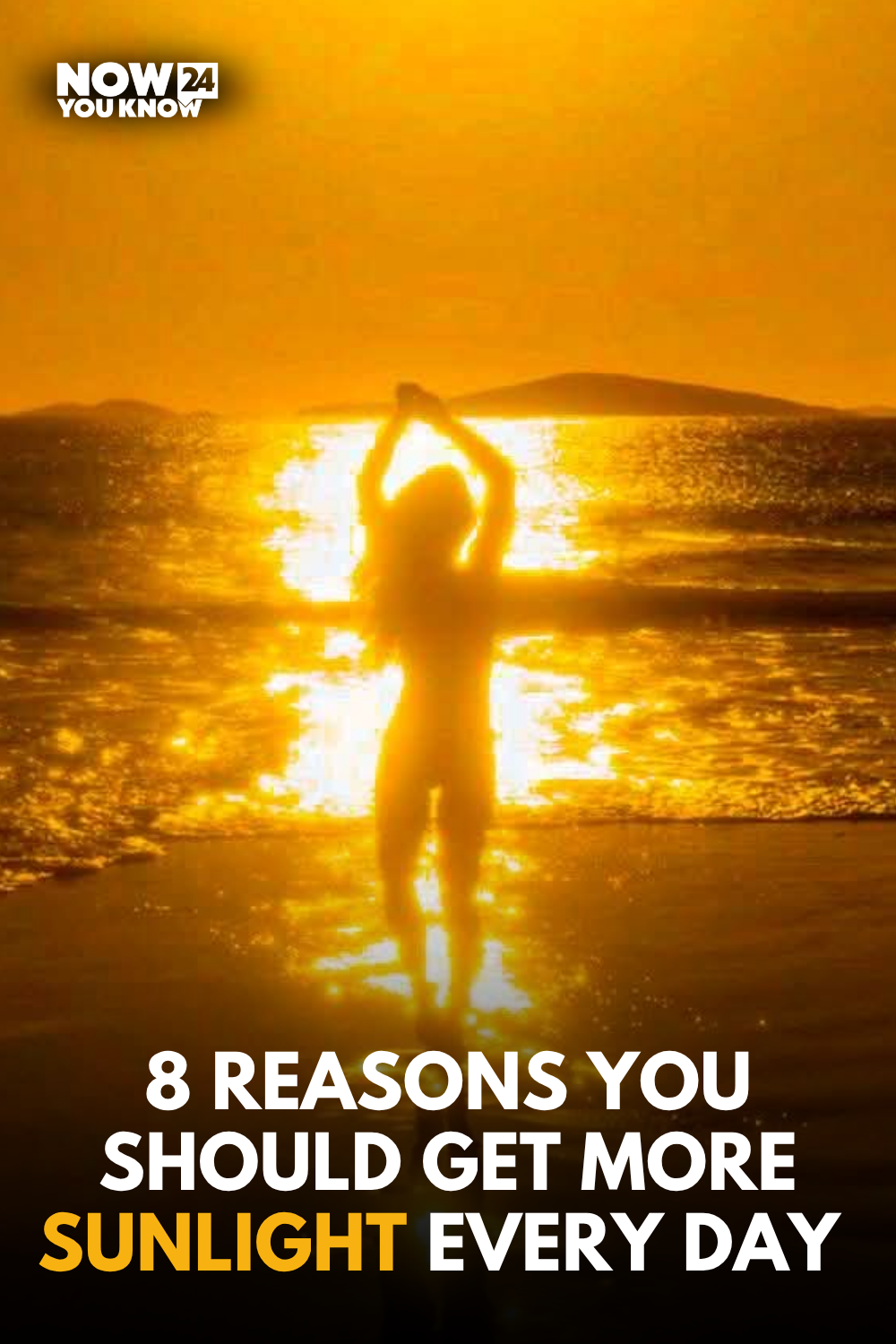

Sunlight often gets a bad reputation because of its link to sunburn and skin cancer. While protecting your skin is essential, experts also agree that getting the right amount of daily sunshine can offer impressive health benefits. From supporting your body’s vitamin D production to improving your mood and sleep, spending a little time outdoors each day may be one of the simplest ways to boost your overall well-being.
One of sunlight’s biggest benefits is helping your body produce vitamin D, an essential nutrient that supports strong bones, healthy muscles, immune function, brain health, and blood sugar regulation. Vitamin D also helps your body absorb calcium, lowering the risk of conditions like osteoporosis and keeping bones stronger as you age.
Daily sunshine may also improve your sleep quality. Natural morning light helps regulate your body’s internal clock, making it easier to fall asleep at night and wake up feeling refreshed. At the same time, sunlight encourages the production of serotonin, a brain chemical linked to better mood and lower rates of seasonal depression.
Researchers have also found that sunlight may support your immune system and even help regulate certain inflammatory conditions. Some studies suggest it may lower blood pressure by increasing nitric oxide, a compound that relaxes blood vessels. Other research has linked regular sun exposure to healthier body weight, although scientists say more studies are needed to confirm a direct connection.
Another surprising benefit is that sunlight can help improve the air inside your home. Research has shown that natural sunlight can reduce the number of certain bacteria living in household dust, making indoor spaces healthier. Simply opening curtains or blinds during the day allows more natural light to enter.
How much sunlight you need depends on your skin tone and where you live. People with lighter skin may only need around 10 to 15 minutes each day, while those with darker skin often require 25 to 40 minutes because higher melanin levels naturally reduce vitamin D production. The strongest vitamin D-producing sunlight is generally between 10 a.m. and 1 p.m.
Even with these benefits, balance is important. Experts recommend wearing broad-spectrum sunscreen with SPF 30 or higher if you’ll be outside for extended periods, along with sunglasses, protective clothing, and avoiding excessive sun exposure. A few minutes of sunshine each day can be a simple habit that supports both your physical and mental health while helping you enjoy the outdoors safely.