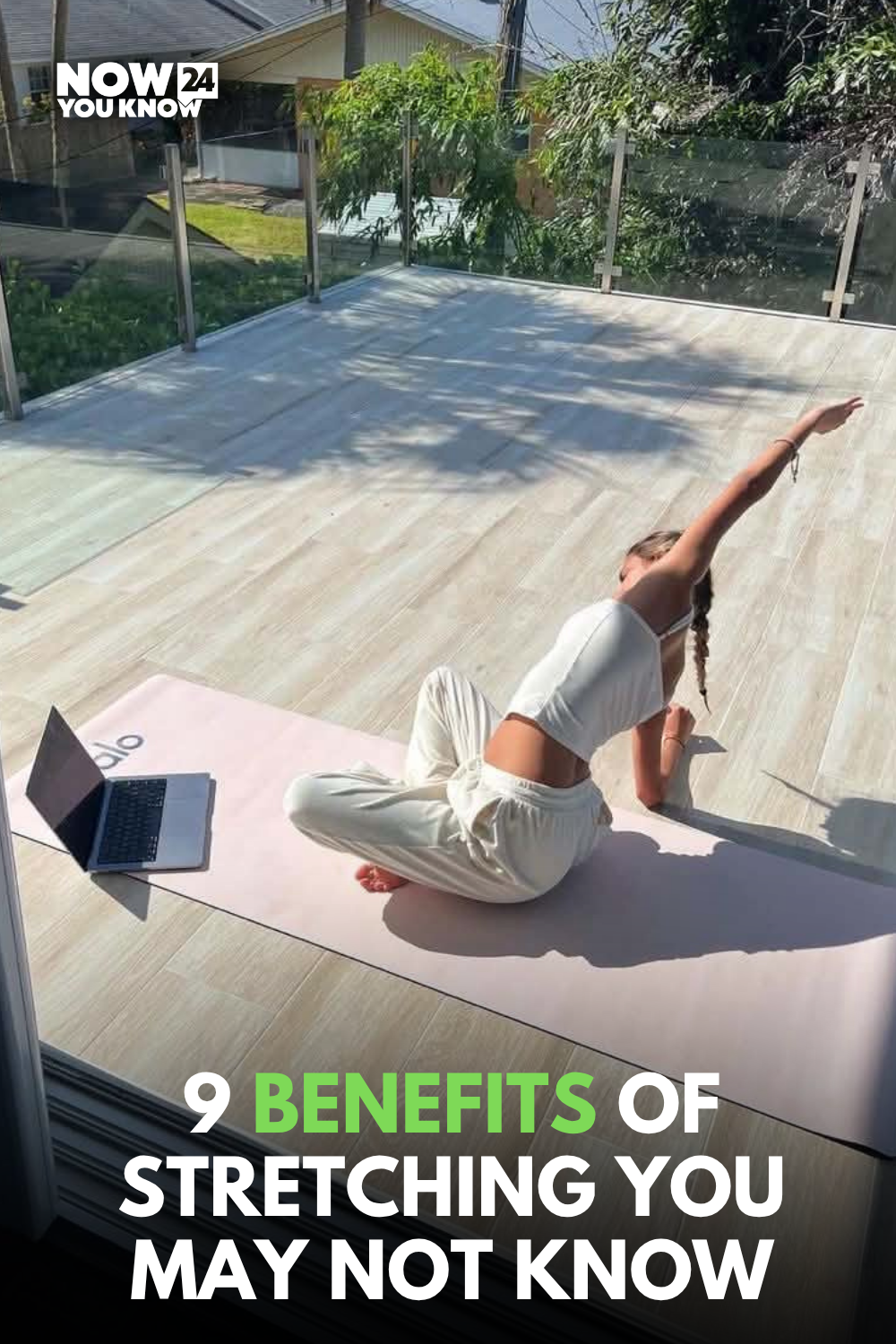

Stretching is often the first thing people skip during a workout—and one of the first habits to disappear when life gets busy. But spending just a few minutes stretching each day can do much more than improve flexibility.
From easing muscle tension to supporting better posture and helping you move more comfortably, regular stretching offers benefits that can improve both physical and mental well-being.
Here’s why it’s worth making stretching part of your daily routine.
1. It Improves Flexibility
One of the most well-known benefits of stretching is increased flexibility.
Flexible muscles and joints make everyday activities—such as bending, reaching, or climbing stairs—feel easier. Maintaining flexibility also becomes increasingly important as we age, helping support mobility and independence over time.
2. It Increases Your Range of Motion
Stretching helps your joints move through their full range of motion, making everyday movements feel smoother and more natural.
A greater range of motion can also improve overall movement quality and may reduce the risk of strains during physical activity.
3. It Can Improve Exercise Performance
Dynamic stretching before exercise helps prepare your muscles for movement.
Rather than holding stretches, dynamic movements gently warm up the body, increasing blood flow and helping muscles respond more efficiently during activities like running, cycling, or strength training.
4. It Supports Better Blood Flow
Regular stretching may improve circulation by increasing blood flow to your muscles.
Healthy circulation delivers oxygen and nutrients where they’re needed while helping remove waste products produced during exercise. This can contribute to faster recovery and reduce post-workout muscle soreness.
5. It Encourages Better Posture
Many people spend hours sitting at desks or looking down at phones, which can contribute to muscle tightness and poor posture.
Stretching tight muscle groups while strengthening weaker ones can help improve body alignment. Better posture may also reduce unnecessary strain on the neck, shoulders, and back.
6. It May Help Relieve Back Pain
Tight hips, hamstrings, and lower back muscles can contribute to discomfort and reduced mobility.
Gentle stretching may help relieve muscle tension, improve movement, and support recovery from certain types of back pain. If you have an existing back injury, it’s important to seek guidance from a healthcare professional before beginning a stretching routine.
7. It Helps Reduce Stress
Stress doesn’t only affect the mind—it often shows up in the body as muscle tension.
Stretching encourages muscles to relax, particularly in common tension areas such as the neck, shoulders, and upper back. Combined with slow, controlled breathing, it can create a calming effect that helps reduce physical stress.
8. It Can Support Mental Well-Being
Stretching provides an opportunity to slow down and focus on your body.
Many people pair stretching with mindfulness or deep breathing exercises, turning it into a simple daily habit that promotes relaxation and mental clarity alongside physical benefits.
9. It May Ease Tension Headaches
Tension headaches are often linked to tight muscles around the neck, shoulders, and upper back.
While stretching isn’t a cure, regularly loosening these muscles may help reduce muscle tension that contributes to certain headaches, especially when combined with healthy sleep, hydration, and stress management.
Static vs. Dynamic Stretching
Not all stretching is the same.
Dynamic stretching involves controlled movements that prepare your muscles for exercise. It’s generally best performed before workouts.
Static stretching involves holding a stretch for around 10 to 30 seconds and is most beneficial after physical activity, when muscles are already warm.
Including both types in your fitness routine provides the greatest overall benefit.
How to Start a Stretching Routine
If you’re new to stretching, keep it simple.
Aim for 5 to 10 minutes each day, focusing on major muscle groups such as your:
- Hamstrings
- Calves
- Hip flexors
- Quadriceps
- Lower back
- Shoulders
- Neck
Move slowly, breathe normally, and stretch only until you feel gentle tension—not pain.
Consistency matters far more than intensity.
Stretch Safely
Stretching is generally safe, but a few basic guidelines can help prevent injury:
- Never force a stretch or push through pain.
- Warm up with a few minutes of light movement if your muscles are cold.
- Avoid bouncing during stretches unless specifically instructed by a qualified professional.
- If you have an injury or chronic health condition, consult a healthcare provider or physical therapist before beginning a new stretching routine.
Final Thoughts
Stretching is one of the simplest habits you can add to your day, yet its benefits reach far beyond improving flexibility.
Just a few minutes of regular stretching may help improve mobility, support better posture, ease muscle tension, reduce stress, and even make everyday movement feel easier.
Whether you’re an athlete or simply looking to stay active and healthy, making time to stretch could be one of the easiest investments you make in your long-term well-being.