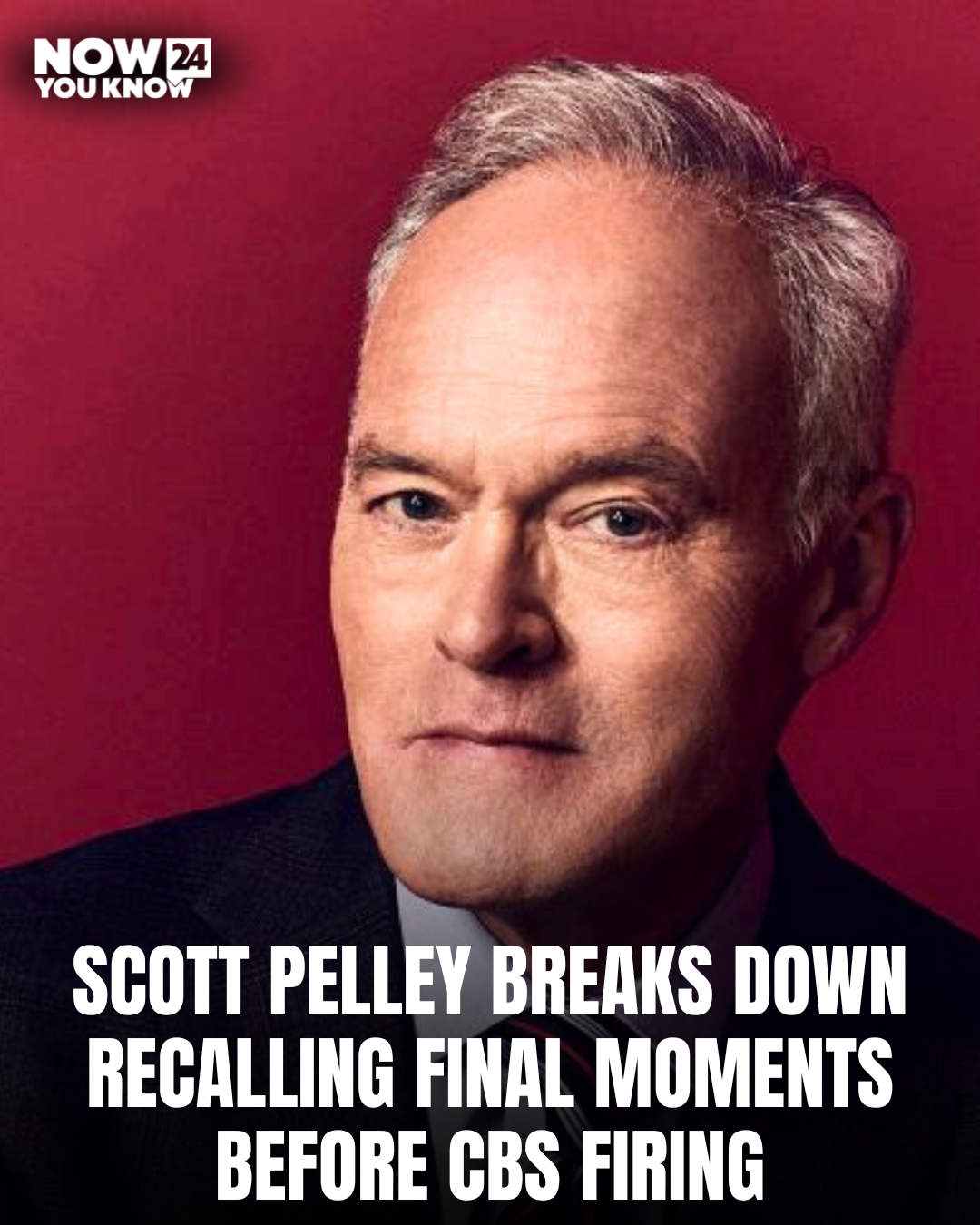

Veteran journalist Scott Pelley has broken his silence following the sudden shake-up at CBS’s 60 Minutes, describing the moment longtime staff members were dismissed as a “massacre” that left the newsroom stunned.
In a deeply emotional interview with The New York Times, the 68-year-old correspondent reflected on the abrupt changes that rocked one of America’s most respected television news programs.
Pelley said the atmosphere inside the newsroom changed almost overnight.
From Emmy Wins To Mass Firings
According to Pelley, senior staff members had attended the News and Documentary Emmy Awards just hours before learning about the major restructuring at CBS.
He recalled celebrating multiple Emmy wins alongside longtime colleagues before discovering that several key figures connected to 60 Minutes would soon be removed from their positions.
Pelley described the sudden dismissals as shocking, saying many employees had worked together for decades and viewed each other as family.
The veteran journalist also expressed confusion over the appointment of a new executive producer, Nick Bilton, claiming many inside the newsroom were unfamiliar with him and concerned about his lack of traditional television news experience.
Pelley Claims No Clear Explanation Was Given
During the interview, Pelley said staff members were never given a detailed explanation for the sweeping changes.
“People are desperate for some explanation,” he said, adding that no senior executive had personally addressed the newsroom following the firings.
He also became emotional while discussing the future of journalism and the importance of independent reporting in a democracy.
“There is no democracy without journalism,” Pelley said through tears during the conversation.
Accusations Of Editorial Pressure
Pelley also accused CBS leadership of pushing politically sensitive stories in a more aggressive direction.
He specifically referenced coverage surrounding protests in Minneapolis, claiming newsroom leadership wanted footage and wording that portrayed demonstrators as more violent.
According to Pelley, producers had already included scenes showing aggressive behavior during the protests, but additional edits were allegedly requested during internal editorial discussions.
CBS responded to the allegations in a statement, saying the editorial feedback was part of normal newsroom collaboration and had “no political motivation.”
Growing Concerns Inside CBS
The controversy arrives during a tense period for CBS News, which has faced increasing scrutiny over its handling of political coverage and internal leadership decisions.
Recent reporting by the network has included investigations into immigration enforcement, military concerns overseas, hospice fraud, and tensions involving President Donald Trump and Pope Leo.
Pelley suggested that deeper issues now exist within the company, claiming he has witnessed a level of political bias he had never previously experienced during his decades at CBS News.
“CBS News is on fire,” he said, while also expressing hope that leadership could still reverse course and rebuild trust inside the newsroom.
The interview has quickly sparked widespread discussion online, with many viewers debating whether the changes at 60 Minutes reflect a broader shift happening across major American media organizations.