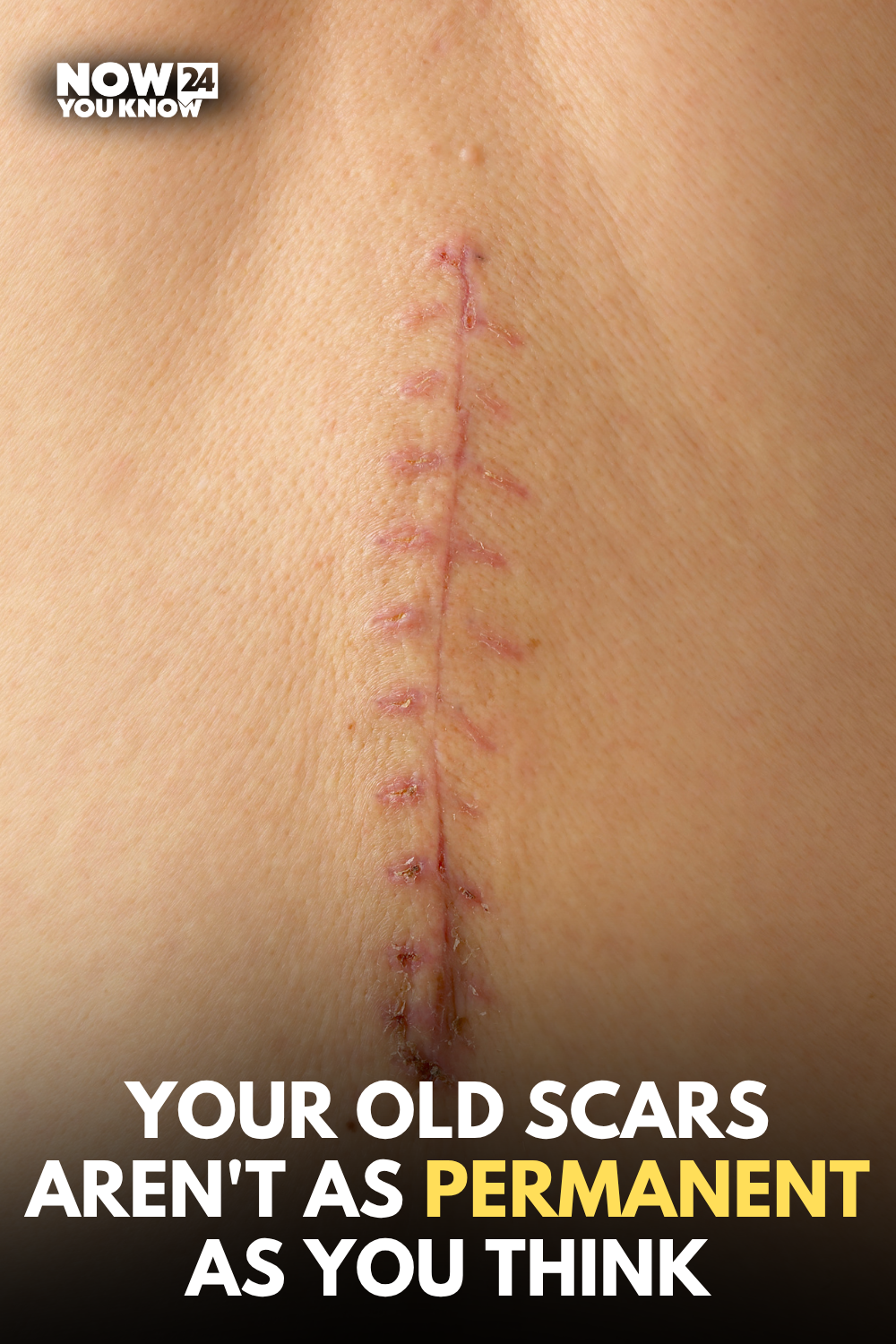

Most people think of scars as permanent reminders of past injuries. Once a cut heals or a surgical incision closes, it’s easy to assume the body’s work is done.
But according to medical experts, scar tissue is far more active than many people realize. In fact, old scars rely on a continuous process inside the body to maintain their strength and structure. If that process is disrupted, scars that healed years—or even decades—ago can begin to break down.
One of the most surprising examples involves a condition that sailors once feared more than almost anything else: scurvy.
Scar Tissue Is Constantly Being Maintained
When the body repairs a wound, it creates scar tissue using a protein called collagen. Collagen acts like a biological scaffold, helping damaged tissue hold together while healing takes place.
Many people assume that once a scar forms, it remains unchanged forever. In reality, scar tissue undergoes ongoing remodeling throughout a person’s life.
The body continuously breaks down and rebuilds collagen fibers to keep tissue strong and functional. This maintenance process helps scars remain intact long after the original injury has healed.
The Crucial Role of Vitamin C
Vitamin C plays a vital role in collagen production. Without enough of the vitamin, the body struggles to create stable collagen fibers.
This becomes especially dangerous when someone develops scurvy, a disease caused by severe vitamin C deficiency.
Although scurvy is often associated with sailors from centuries ago, it can still occur today in people with extremely restricted diets or severe nutritional deficiencies.
When vitamin C levels become critically low, collagen production begins to fail throughout the body.
Why Old Scars Can Reopen
One of the most unusual symptoms of scurvy involves scar tissue.
Because the body can no longer properly maintain collagen, existing scars may begin to weaken. In severe cases, scars from old injuries can become fragile, painful, and may even reopen.
Medical reports have documented instances in which scars that appeared fully healed for years started breaking down after a person developed severe vitamin C deficiency.
The phenomenon occurs because scar tissue depends heavily on collagen for its strength. When collagen maintenance stops, the tissue can gradually lose its structural integrity.
More Than Just a Historical Disease
Scurvy is often portrayed as a disease of the distant past, complete with pirate ships and long ocean voyages. But doctors occasionally diagnose cases even today.
Early symptoms can include fatigue, weakness, bruising, bleeding gums, joint pain, and poor wound healing. As the condition progresses, collagen breakdown can affect blood vessels, skin, bones, and scar tissue.
The good news is that scurvy is usually reversible when vitamin C levels are restored through diet or supplements under medical supervision.
A Reminder of How Complex the Human Body Really Is
The idea that a scar from years ago could suddenly begin to reopen sounds like something out of a horror movie. Yet it highlights an incredible fact about the human body: healing isn’t always a one-time event.
Even after an injury appears completely healed, countless biological processes continue working behind the scenes to keep tissues healthy and intact.
It’s a strange reminder that scars aren’t simply marks left behind by the past—they’re living tissue that depends on ongoing maintenance every single day.