


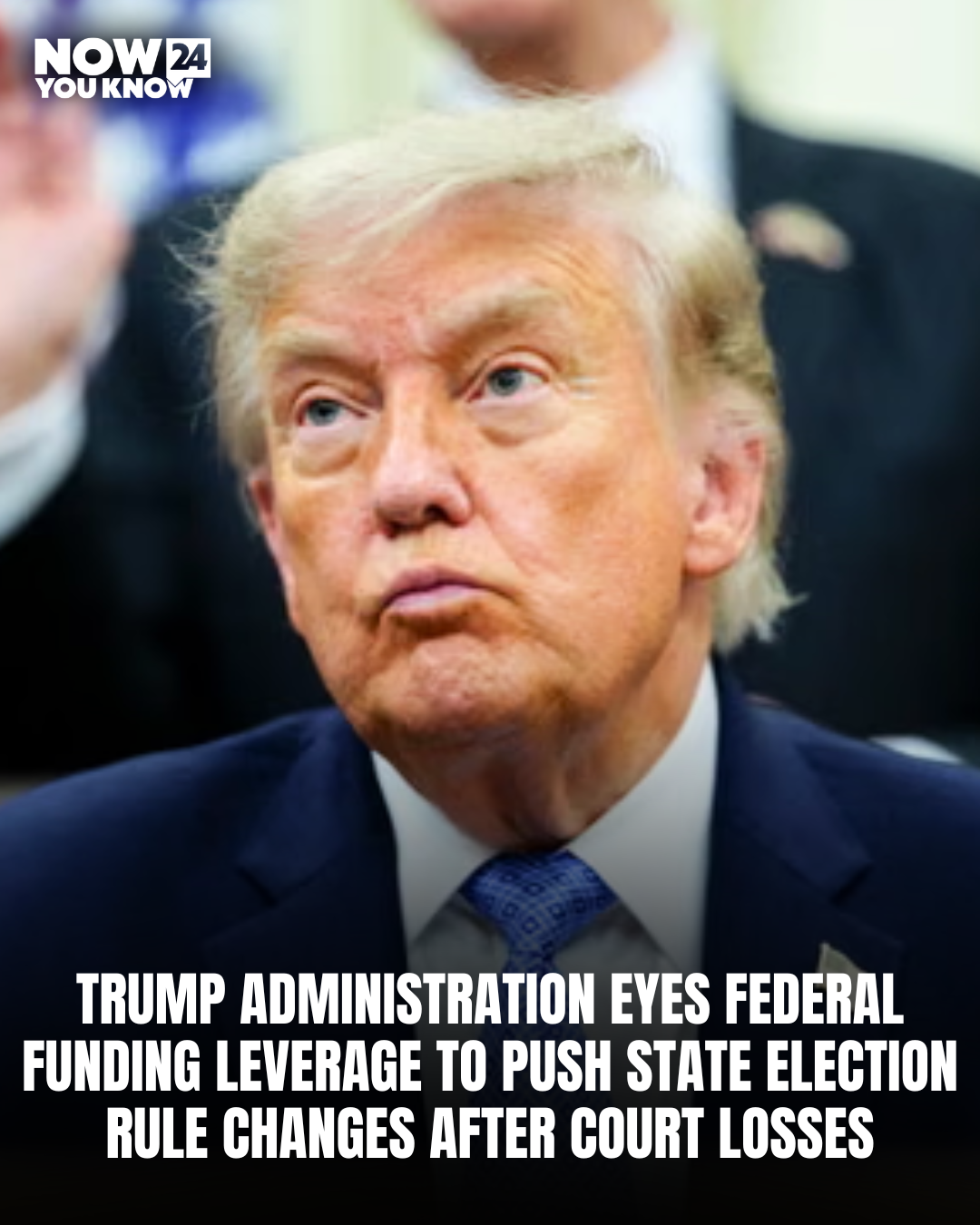

The Trump administration is pursuing a new strategy to influence how elections are conducted across the United States, shifting its focus toward federal funding after a string of legal setbacks and stalled legislation.
According to reports, the Department of Homeland Security (DHS) is considering tying portions of federal grant funding to changes in state election procedures. The proposal would encourage states to adopt hand-counting of ballots and use an expanded federal citizenship verification database to identify potential noncitizen voters.
Officials are reportedly weighing whether to withhold up to 20% of certain DHS grants from states that refuse to comply. Those grants are typically used for infrastructure improvements, disaster preparedness, and counterterrorism initiatives.
A DHS spokesperson said no funding changes have been finalized but confirmed the department is reviewing whether homeland security grants should be aligned with what it calls “core national security priorities,” including election infrastructure and security.
The effort comes after several courtroom defeats for the administration.
A federal judge recently blocked changes to the SAVE (Systematic Alien Verification for Entitlements) database, ruling that the overhaul could threaten Americans’ voting rights and privacy protections. Courts have also dismissed multiple Justice Department lawsuits seeking voter registration information from states, while another federal ruling halted an earlier Trump administration effort requiring documentary proof of citizenship for federal voter registration.
The administration has also struggled to advance its election agenda in Congress.
The SAVE America Act, which would require proof of U.S. citizenship to register to vote in federal elections, passed the House earlier this year but has stalled in the Senate. Several Republican senators have opposed advancing the measure, making its passage increasingly unlikely.
Senate Majority Leader John Thune acknowledged the political reality, saying there are not enough votes to overcome a Senate filibuster or secure bipartisan support for the legislation.
President Donald Trump has repeatedly argued that stronger election safeguards are necessary, frequently citing concerns about noncitizen voting and election integrity. Critics, however, argue that documented cases of noncitizen voting are extremely rare and warn that additional requirements could make voting more difficult for eligible citizens.
The debate comes as both parties prepare for this year’s midterm elections, with Democrats hoping to regain control of the House of Representatives. Some Democratic lawmakers have also suggested they could consider impeachment proceedings if they return to power, while Trump has warned Republicans that losing the House would open the door to such efforts.
The administration’s latest funding proposal is expected to face legal scrutiny if it moves forward, adding another chapter to the ongoing battle over federal authority and election administration in the United States.