





Have you ever looked back on something you said or did in a group and wondered, “Why did I act like that?”
Maybe you laughed at a joke that didn’t sit right with you, stayed silent when someone was treated unfairly, or joined in with a crowd even though it conflicted with your values.
You’re not alone.
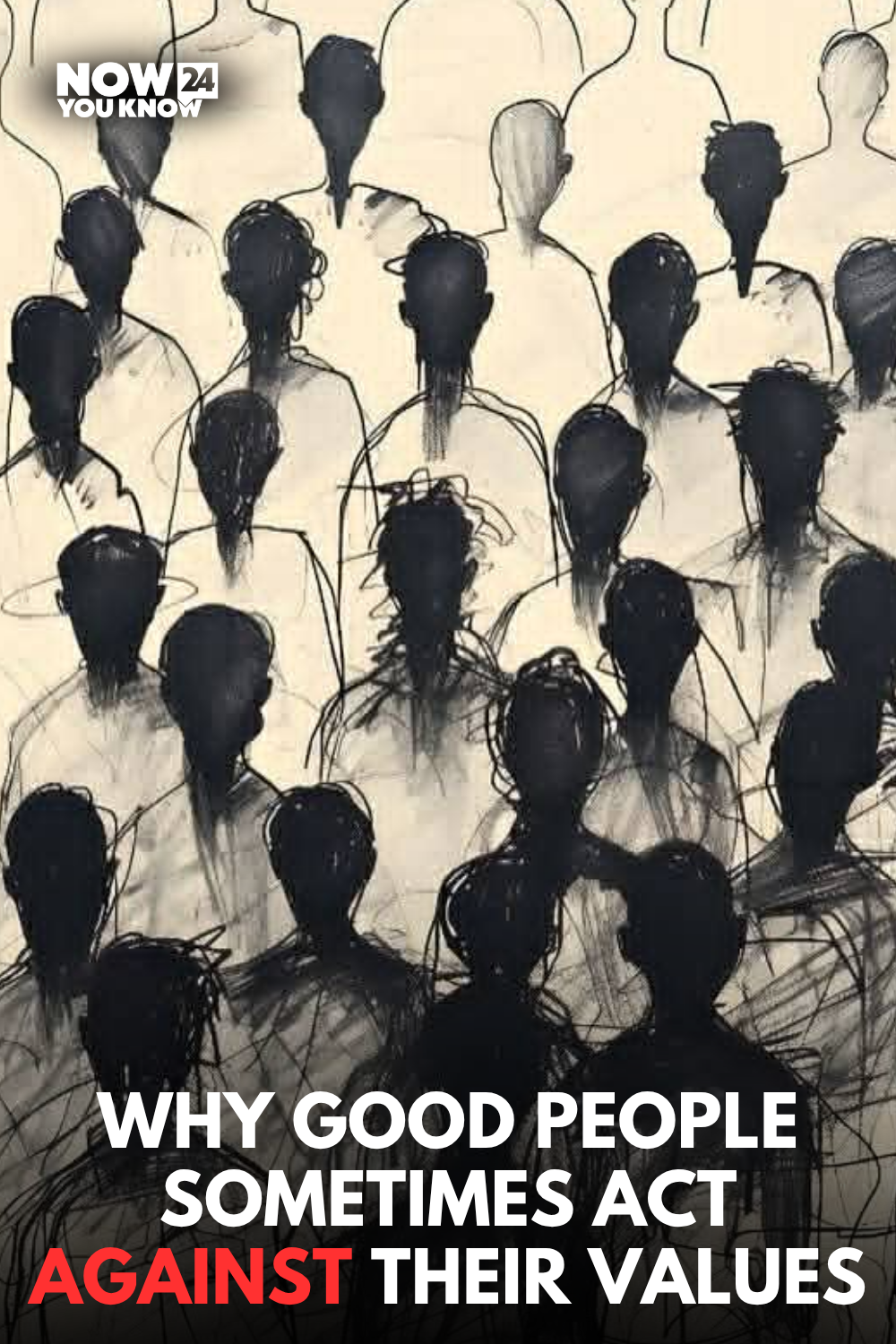
Psychologists call this phenomenon deindividuation—a mental state where people become less aware of themselves as individuals and more influenced by the emotions, expectations, and behavior of a group.
While deindividuation is often associated with riots or online mobs, it happens in everyday life too. It can shape our behavior at work, in friendships, on social media, and even within families.
Here’s what deindividuation is, why it happens, and how to avoid losing yourself in the crowd.
What Is Deindividuation?
Deindividuation is a psychological process where:
- Self-awareness decreases
- Personal identity becomes less important
- Group identity becomes stronger
- Personal responsibility feels shared or reduced
As a result, people are more likely to follow the emotions and norms of the group instead of their own beliefs.
This doesn’t mean people suddenly become irrational or immoral. Instead, the internal “pause button” that usually guides decisions becomes weaker.
Rather than asking:
“Is this something I believe is right?”
the brain starts asking:
“What is everyone else doing?”
Why Does Deindividuation Happen?
Human beings are naturally social.
Throughout history, belonging to a group increased survival. Because of this, our brains are wired to seek acceptance and avoid rejection.
Certain situations make group influence much stronger, including:
- Large crowds
- Anonymous environments
- Uniforms or matching clothing
- Emotional events
- Social media
- Strong group identities
- High-pressure situations
When these conditions are present, personal identity often fades into the background.
The Psychology Behind It
Research suggests that deindividuation works by reducing self-awareness.
Normally, people constantly compare their behavior with their personal values.
Questions like:
- “Should I say this?”
- “Would I regret doing this?”
- “Is this who I want to be?”
help regulate behavior.
But when attention shifts toward the group instead of the self, these internal checks become weaker.
The result?
People often become more influenced by:
- Group emotions
- Peer pressure
- Social approval
- Immediate reactions
rather than thoughtful decision-making.
Everyday Examples of Deindividuation
Most people imagine violent crowds when they hear the term.
In reality, deindividuation often appears in much smaller ways.
Joining in Gossip
Perhaps everyone in the office is criticizing a coworker.
You join the conversation—not because you truly agree—but because everyone else is participating.
Laughing at Harmful Jokes
A joke makes someone the target.
Normally you wouldn’t find it funny.
But everyone else laughs.
So you laugh too.
Online Arguments
Social media is one of the strongest environments for deindividuation.
People often:
- Write comments they’d never say face-to-face
- Join pile-ons
- Share misinformation without checking it
- Attack strangers more aggressively than they normally would
Anonymity makes people feel less personally responsible.
Friend Groups
Sometimes a friend group excludes someone.
Even if you disagree, you remain silent because speaking up feels uncomfortable.
Later, you regret not saying anything.
Large-Scale Examples
History provides many examples where group identity overwhelmed personal responsibility.
These include:
- Riots
- Violent protests
- Fan violence after sporting events
- Online harassment campaigns
- Cult behavior
Most participants aren’t inherently violent.
Instead, psychologists believe the group environment temporarily reduced personal accountability and increased emotional contagion.
How Social Media Makes Deindividuation Worse
Today’s digital world creates ideal conditions for deindividuation.
Social media combines several powerful factors:
- Anonymity
- Huge audiences
- Instant feedback
- Emotional content
- Constant group reinforcement
People receive likes, shares, and comments that reward emotionally charged behavior.
Over time, approval from the group becomes more important than thoughtful reflection.
This helps explain why online discussions often become far more hostile than conversations in person.
Signs You’re Experiencing Deindividuation
You may be influenced by group psychology if you notice yourself:
- Feeling swept up in emotion
- Stopping to question your own beliefs less often
- Justifying behavior because “everyone else is doing it”
- Feeling disconnected from your normal values
- Regretting your behavior afterward
One of the biggest warning signs is surprise.
If you later think,
“That didn’t feel like me,”
deindividuation may have played a role.
The Emotional Impact
Repeatedly acting against your values can take a psychological toll.
It may lead to:
- Guilt
- Shame
- Anxiety
- Emotional exhaustion
- Reduced self-trust
Over time, people may begin questioning who they really are because their actions no longer match their personal identity.
Common Myths About Deindividuation
Myth 1: It only happens in crowds.
False.
It can happen in small friend groups, workplaces, classrooms, families, and online communities.
Myth 2: Strong people are immune.
Not true.
Research suggests deindividuation is largely influenced by the situation rather than personality.
Anyone can experience it under the right conditions.
Myth 3: It always leads to bad behavior.
Not necessarily.
Group identity can encourage kindness, generosity, and cooperation too.
The key difference is whether people remain connected to their own values while participating.
How to Stay True to Yourself
Fortunately, self-awareness is one of the strongest protections against deindividuation.
When you notice yourself getting caught up in group emotion, pause and ask:
- Would I do this if I were alone?
- Would I be proud of this tomorrow?
- Am I acting from conviction or pressure?
- Is this consistent with my values?
Even a brief pause can interrupt automatic group thinking.
Other helpful strategies include:
- Take a break from emotionally charged situations.
- Spend time with people who respect differing opinions.
- Practice independent thinking before reacting.
- Accept that disagreeing with a group can sometimes feel uncomfortable.
- Focus on your long-term character rather than short-term approval.
Final Thoughts
Deindividuation reminds us that our behavior is shaped not only by who we are, but also by the environments we find ourselves in.
Groups can inspire compassion, courage, and cooperation—but they can also make it surprisingly easy to ignore our own values.
Recognizing the signs of deindividuation allows you to pause, reflect, and make choices that align with the person you want to be.
Belonging to a group doesn’t have to mean losing your individuality. Maintaining self-awareness helps you stay grounded, think independently, and act with integrity—no matter who you’re surrounded by.