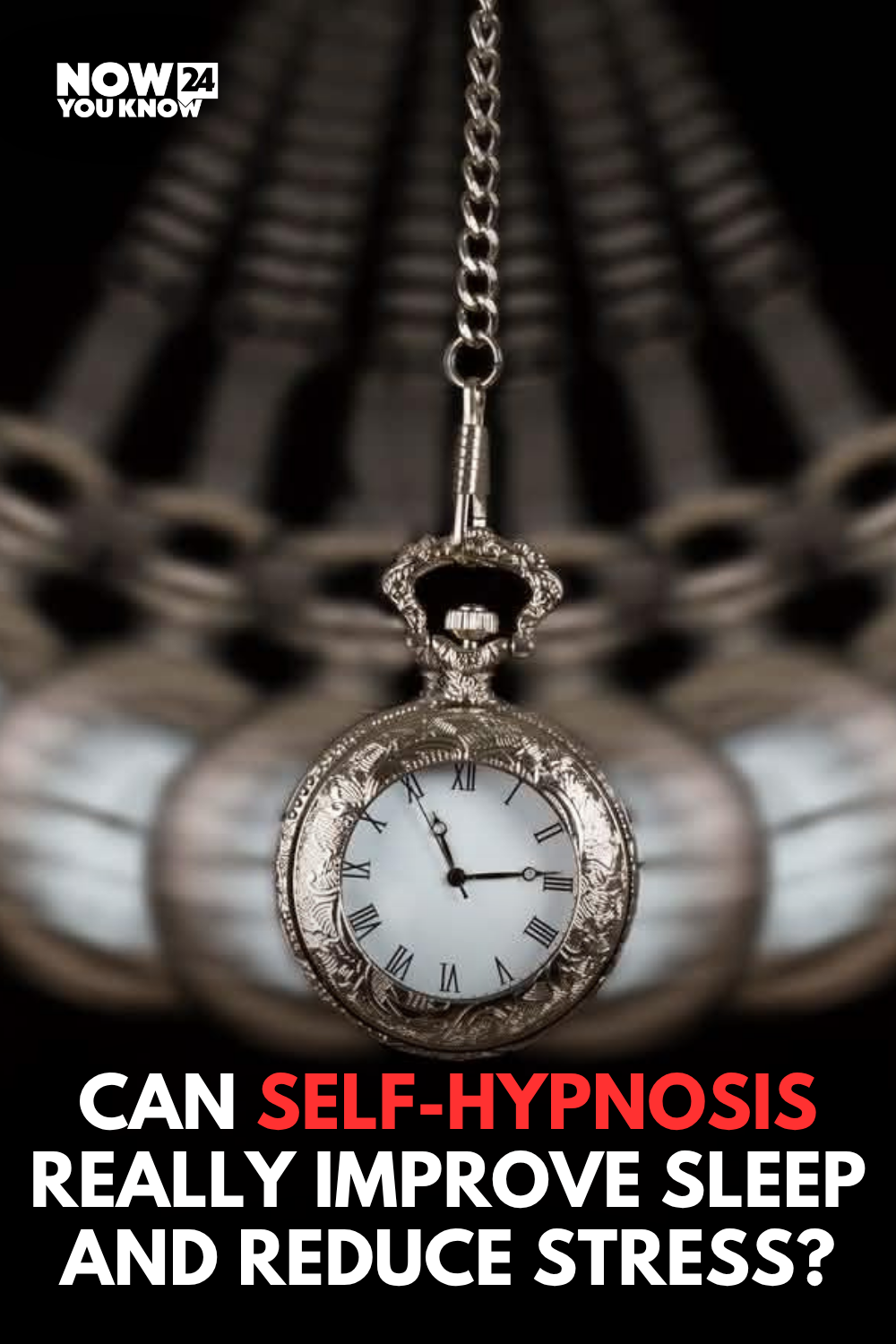

Hypnosis is often surrounded by myths and dramatic portrayals in movies, leaving many people wondering whether it’s real or simply entertainment. In reality, self-hypnosis is a relaxation technique that some people use to manage stress, improve sleep, and work toward personal goals.
While it isn’t a miracle cure, research suggests that self-hypnosis may offer benefits for certain people when used alongside healthy lifestyle habits and appropriate medical care.
Here’s what you should know before trying it.
What Is Self-Hypnosis?
Self-hypnosis is a technique that involves guiding yourself into a deeply relaxed, focused mental state.
Despite common misconceptions, you don’t lose control or become unconscious. Instead, your attention becomes more focused on your thoughts, feelings, and mental imagery while becoming less distracted by your surroundings.
Many experts describe it as a state of concentrated awareness that allows you to practice visualization and positive suggestions more effectively.
How Is It Different From Meditation?
Self-hypnosis and meditation share several similarities.
Both encourage relaxation, controlled breathing, and turning your attention inward. However, their goals are slightly different.
Meditation typically focuses on observing thoughts without judgment and cultivating mindfulness.
Self-hypnosis usually has a specific purpose, such as reducing stress, improving sleep, easing anxiety, or reinforcing positive habits through guided visualization.
What Does the Research Say?
Although research is still developing, several studies suggest self-hypnosis may provide benefits for some people.
Research has found it may help with:
- Managing stress and anxiety
- Improving sleep quality
- Reducing certain types of pain
- Supporting relaxation before medical procedures
Some studies involving people with chronic pain conditions have also reported reductions in pain and improvements in sleep after practicing self-hypnosis.
However, researchers agree that more high-quality studies are needed before stronger conclusions can be made.
How to Practice Self-Hypnosis
There isn’t one universally accepted method, but many self-hypnosis techniques follow similar steps.
1. Find a Quiet Space
Choose a comfortable, distraction-free environment where you won’t be interrupted for several minutes.
Silencing your phone and wearing comfortable clothing can help you relax more easily.
2. Set a Clear Intention
Before you begin, decide what you’d like to focus on.
Your goal might be:
- Feeling calmer
- Sleeping better
- Reducing stress
- Building confidence
- Breaking an unwanted habit
Having a clear intention helps give the session direction.
3. Relax Your Body
Take slow, deep breaths and allow your muscles to gradually relax.
Some people focus on a single point before gently closing their eyes and continuing to breathe slowly.
4. Visualize a Peaceful Scene
Imagine yourself in a place that feels calm and safe.
This could be a quiet beach, a forest, a mountain trail, or any location that helps you feel relaxed.
Try to engage all of your senses by imagining the sights, sounds, smells, and sensations around you.
5. Focus on Your Goal
Once you feel deeply relaxed, picture yourself successfully achieving your goal.
For example, if you’re working on stress management, imagine yourself remaining calm during situations that normally make you anxious.
If your goal is better sleep, visualize yourself falling asleep easily and waking up refreshed.
6. Return Gently
After several minutes, slowly bring your attention back to your surroundings.
Many people find it helpful to count backward from five while taking a few deep breaths before opening their eyes.
What Does Self-Hypnosis Feel Like?
Experiences vary from person to person.
Some people notice a deep sense of calm, while others simply feel relaxed and focused.
It’s also common to become distracted, feel sleepy, or even fall asleep during practice—especially in the beginning.
Like meditation, self-hypnosis is a skill that often becomes easier with regular practice.
Is Self-Hypnosis Safe?
For most healthy adults, self-hypnosis is generally considered a low-risk relaxation technique.
However, it should not replace medical or mental health treatment for serious conditions.
If you’re experiencing severe anxiety, depression, trauma-related symptoms, or another mental health condition, it’s important to work with a qualified healthcare professional. A trained hypnotherapist or psychologist can also help determine whether hypnosis is appropriate for your situation.
Final Thoughts
Self-hypnosis is a simple relaxation practice that combines focused attention, deep breathing, and visualization.
While research suggests it may help with stress, sleep, and some types of pain, it isn’t a cure-all, and results vary from person to person.
With patience and consistent practice, self-hypnosis may become another useful tool for supporting your overall well-being and helping you build healthier habits.