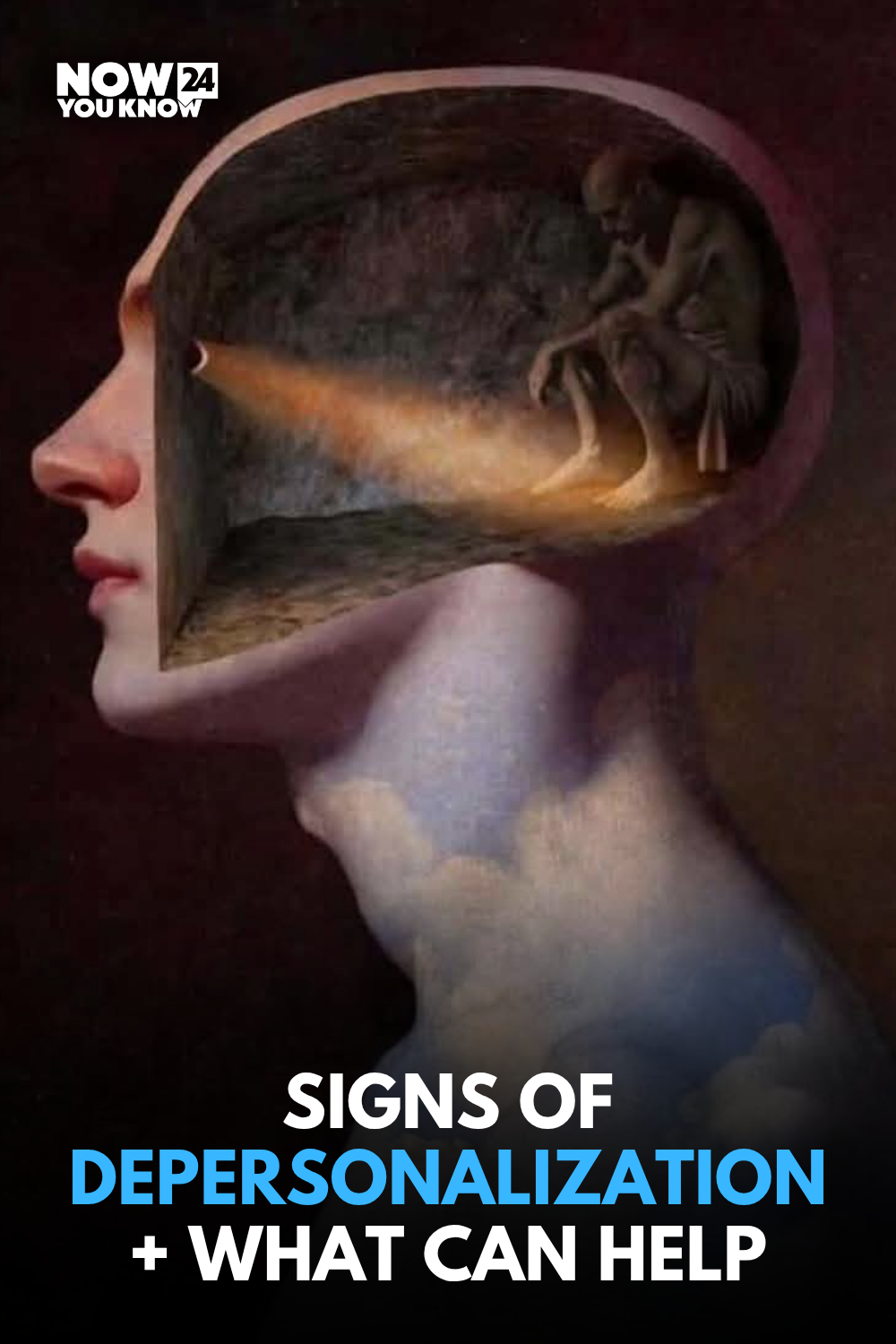

Have you ever felt disconnected from yourself, almost as if you were watching your own life from the outside? While brief episodes can happen during times of extreme stress or exhaustion, persistent feelings of detachment may point to a condition known as depersonalization-derealization disorder (DDD).
Although it’s often misunderstood, DDD is a recognized mental health condition that can interfere with daily life, relationships, and emotional well-being. Understanding the symptoms is the first step toward getting the right support.
What Is Depersonalization?
Depersonalization is the feeling of being detached from yourself. People often describe it as feeling like an observer of their own body, thoughts, or emotions rather than fully experiencing them.
Common symptoms include:
- Feeling disconnected from your body or thoughts
- Emotional numbness
- Feeling robotic or on autopilot
- Doubting or feeling detached from your memories
Despite these sensations, people with depersonalization usually know these experiences aren’t actually real, which distinguishes the condition from psychosis.
What Is Derealization?
Derealization often occurs alongside depersonalization but affects how you experience the world around you.
Someone experiencing derealization may feel:
- As if they’re living in a dream or movie
- Like the world is foggy or unreal
- That people and places seem strangely distant
- That time, space, or distances feel distorted
- Emotionally disconnected from loved ones or familiar surroundings
These episodes can last anywhere from a few minutes to much longer, especially if left untreated.
What Causes Depersonalization?
Experts don’t know the exact cause, but several factors appear to increase the risk.
Possible triggers include:
- Childhood trauma or abuse
- Highly stressful life events
- Ongoing anxiety or panic attacks
- Depression
- Certain recreational drugs or substance use
- Emotional burnout or chronic stress
For many people, symptoms first appear during periods of overwhelming emotional stress.
Can It Be Treated?
Yes. While recovery looks different for everyone, many people experience significant improvement with the right treatment.
Healthcare professionals may recommend:
- Psychotherapy, especially cognitive behavioral therapy (CBT) or trauma-focused therapy
- Medications such as antidepressants or mood stabilizers when anxiety or depression are also present
- Mindfulness and grounding techniques
- Deep breathing and relaxation exercises
- Healthy lifestyle habits, including regular sleep, exercise, and stress management
Treating related conditions like anxiety or depression often reduces the frequency and intensity of depersonalization episodes.
When Should You Seek Help?
Everyone can occasionally feel detached during periods of stress. However, it’s important to seek professional help if these feelings:
- Last for weeks or longer
- Interfere with work, school, or relationships
- Cause significant anxiety or distress
- Keep returning without improving
Early treatment can make symptoms easier to manage and improve overall quality of life.
The Bottom Line
Depersonalization-derealization disorder can make everyday life feel confusing and unreal, but it is a recognized and treatable mental health condition. If feelings of detachment become persistent or begin affecting your daily functioning, speaking with a qualified mental health professional can help you understand what’s happening and find effective ways to manage your symptoms.